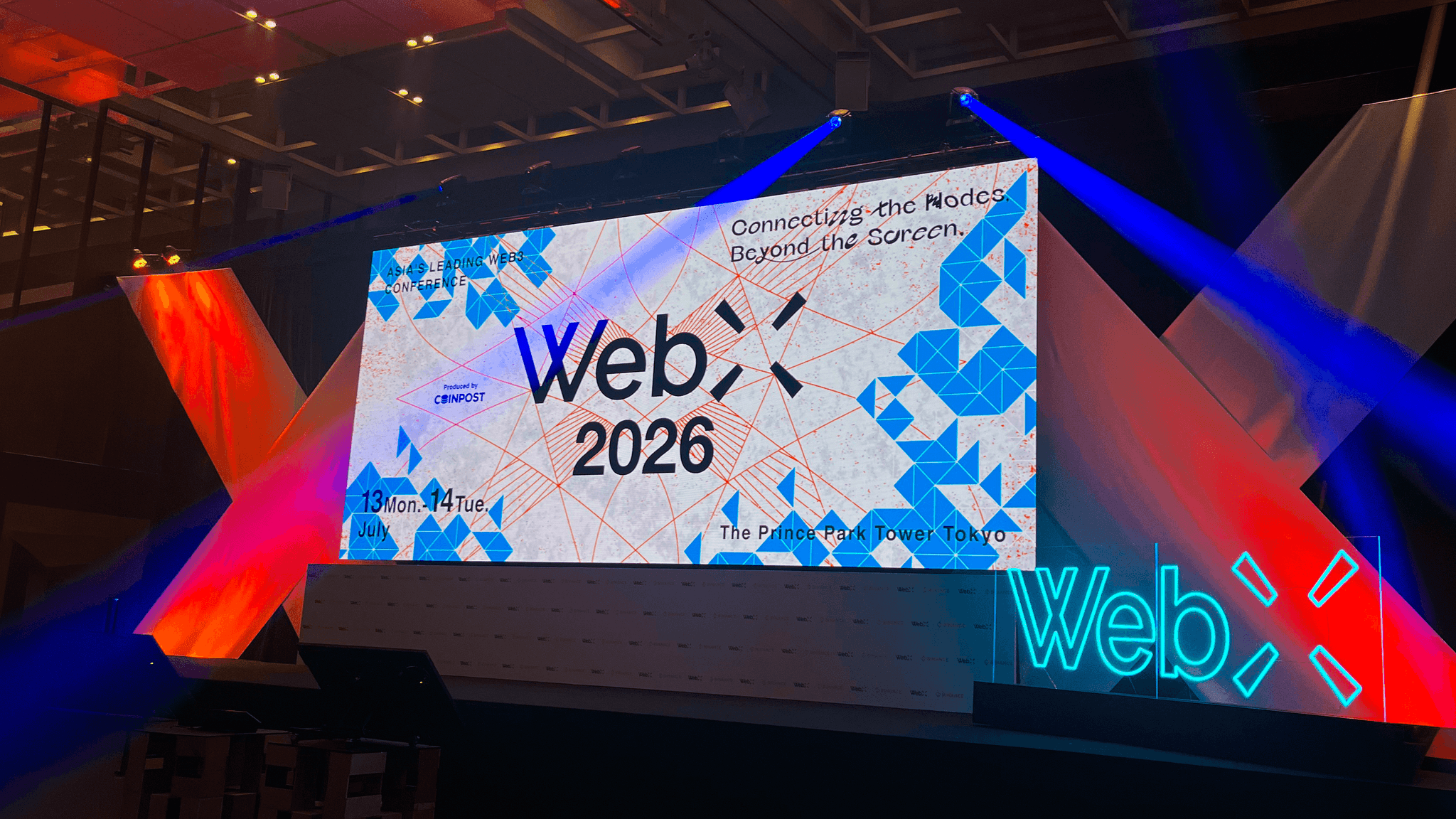
Held August 25–26, 2025 at The Prince Park Tower Tokyo, WebX 2025 brought Asia’s Web3 ecosystem under one roof—policy makers, exchanges, builders, and enterprises—showcasing payments at scale, compliant custody, DePIN, identity/SocialFi, and AI × Web3. Multiple briefings list the dates and venue; coverage places attendance above ~14–15k with 150+ exhibitors and 200+ speakers.
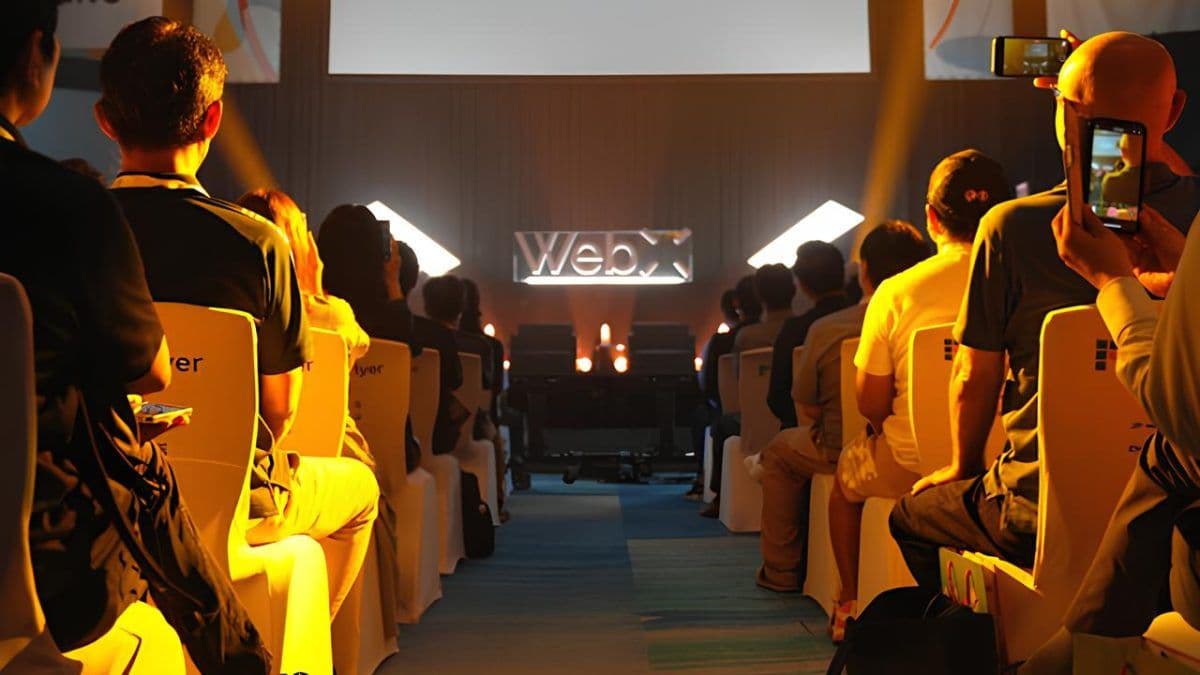


Dates & venue. WebX 2025 ran August 25–26, 2025 at The Prince Park Tower Tokyo, produced by CoinPost. Previews and recaps consistently confirm both the schedule and location.
Scale & profile. Reports and post-event writeups cite 14k–15k+ participants, a global speaker roster, and 150+ exhibitors/side events, framing WebX as Japan’s flagship Web3 summit and a magnet for industry leaders (Arthur Hayes, CZ, Adam Back, Hayden Adams, etc.).
City feel. Late August in Tokyo is hot and humid—average highs around 31–32 °C (88–90 °F) and warm evenings—which shaped the rhythm of side events and night meetups across the city.
Key demos emphasized high-throughput rails (100k+ TPS claims), escrow, nominative accounts, and programmable flows—bringing Web3 closer to enterprise payments and settlement. (UPCX and others drew sustained interest for live demos.)
Vendor talks highlighted recovery processes, forensics, and chain-wide risk monitoring, reflecting a mature posture: if institutions are to join, custody and compliance must be productized. (Previews spotlighted 150+ exhibitors and strong compliance presence.)
From MPC/AA wallets to SBT-style credentials, teams showed how portable reputation and on-chain identity can reduce onboarding friction and unlock community growth. (Side-event calendars and recaps reinforced the adoption angle.)
Projects showcased QR-based services, tokenized OOH, and connectivity infrastructure, signaling a shift from abstract Web3 to tangible, city-level services.
Market-intel platforms and AI-driven growth/translation tools featured prominently, pitching better data pipelines and more accessible user experiences. Blockhead
WebX 2025’s signal was unmistakable: Web3 is becoming business infrastructure—usable, compliant, and increasingly city-integrated. With Tokyo’s late-summer heat as a backdrop, the conference tone was pragmatic: payments that work, custody you can trust, identity you can carry, physical networks you can touch, and AI to widen access. That mix explains the scale jump and the presence of both policymakers and operators—and why Tokyo is staking a long-term claim as an Asian Web3 hub.