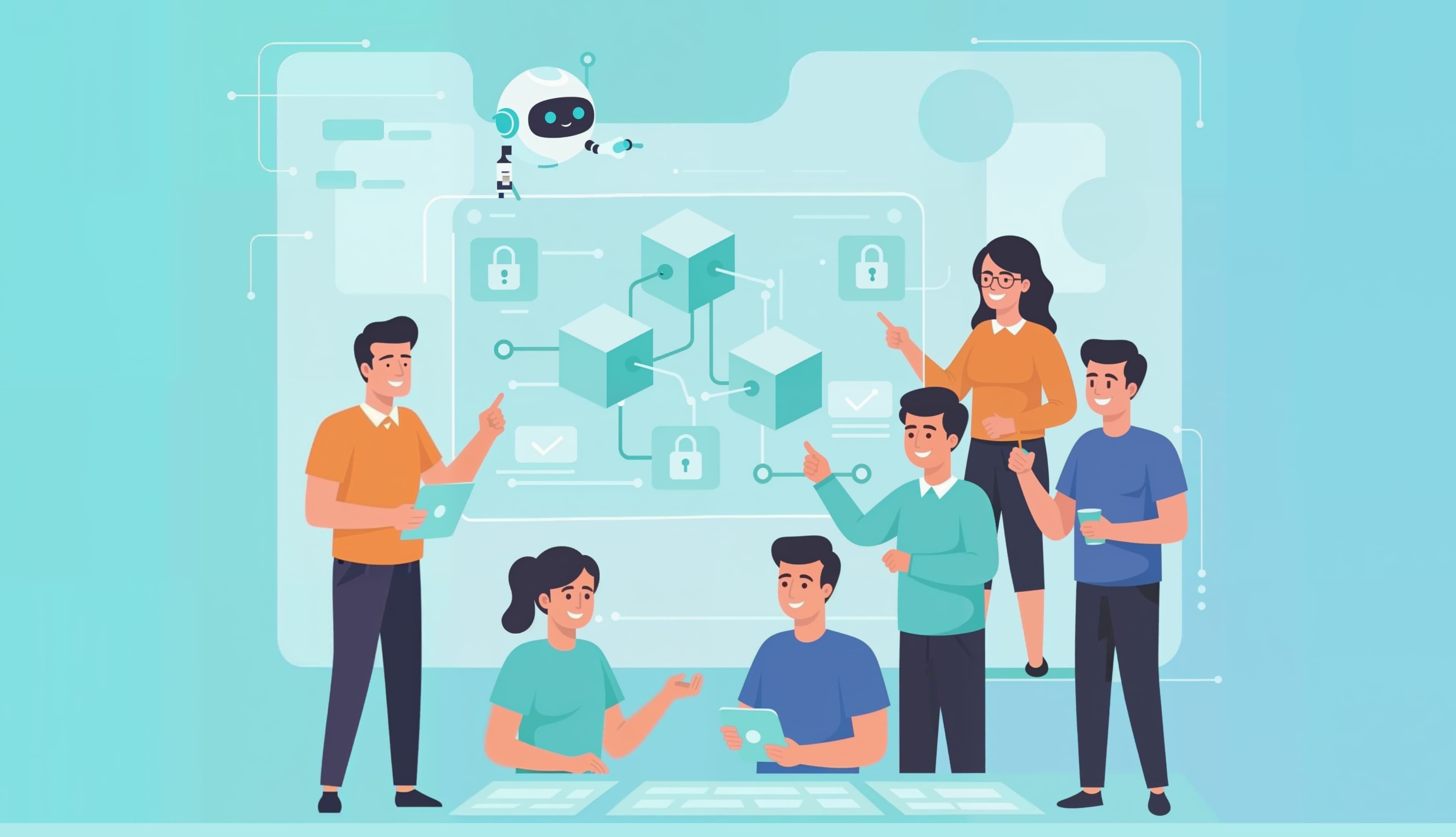
The enterprise AI ecosystem redefines how organizations operate: it connects data, automates processes, and enables intelligent agents that accelerate decision-making. Companies that adopt it today will gain efficiency, speed, and real competitive advantage.
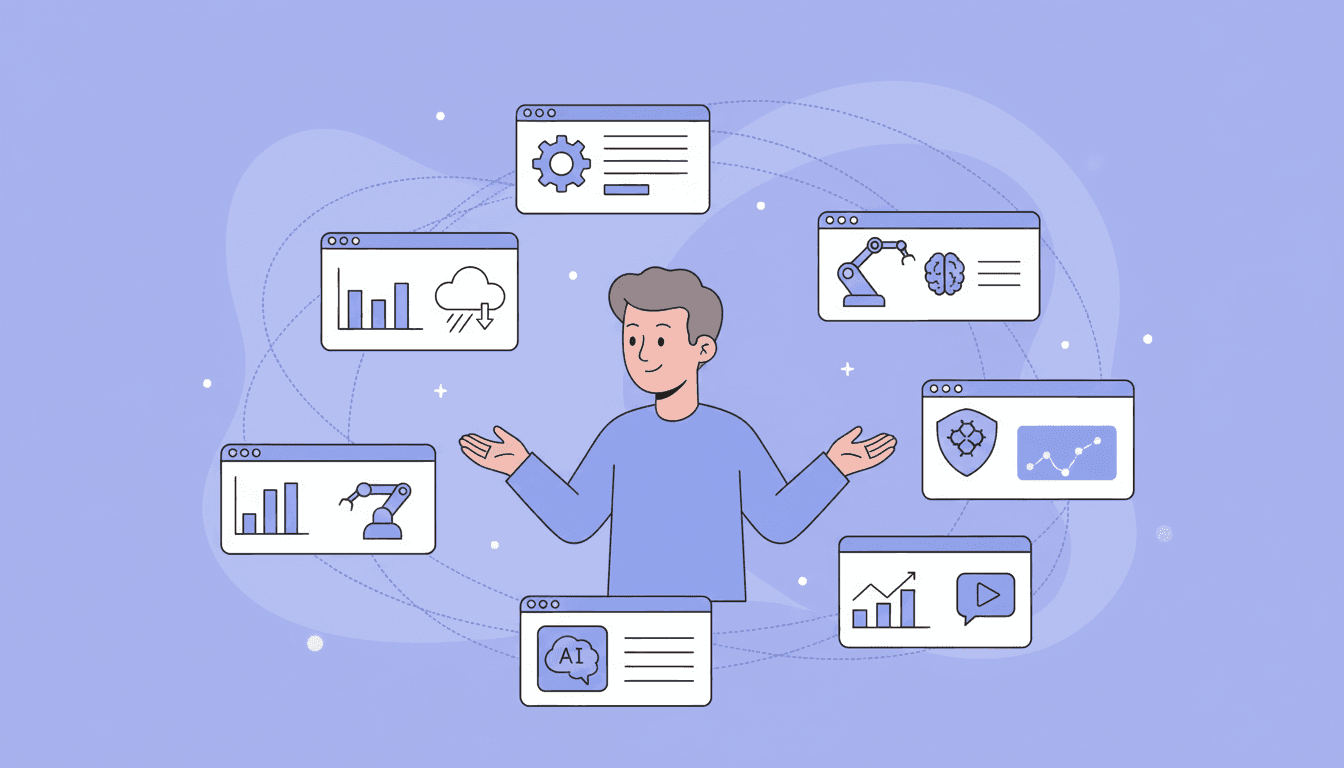


Companies, corporations, and organizations worldwide—regardless of industry—face the same problems: teams using multiple tools, slow processes, endless tasks, poorly distributed information, and departments that don’t work together. Meanwhile, Artificial Intelligence continues advancing at historic speed and becomes an ally for those who understand that the workplace is a competition.
Using AI is no longer just opening a chatbot to solve basic problems or automate a report. Organizations that understand how AI is evolving are now building Enterprise AI Ecosystems.
An enterprise AI ecosystem is made up of integrated data systems, storage, automations, and intelligent agents that coordinate to execute tasks, analyze data, manage governance, control information flow, and support decision-making.
It’s not just “using AI”—it is building a work-support system that connects people, data, tools, and processes.
The reason companies are adopting AI ecosystems is clear: adoption is already massive. According to Stanford’s 2025 AI Index, 78% of global organizations used AI in at least one business function in 2024.
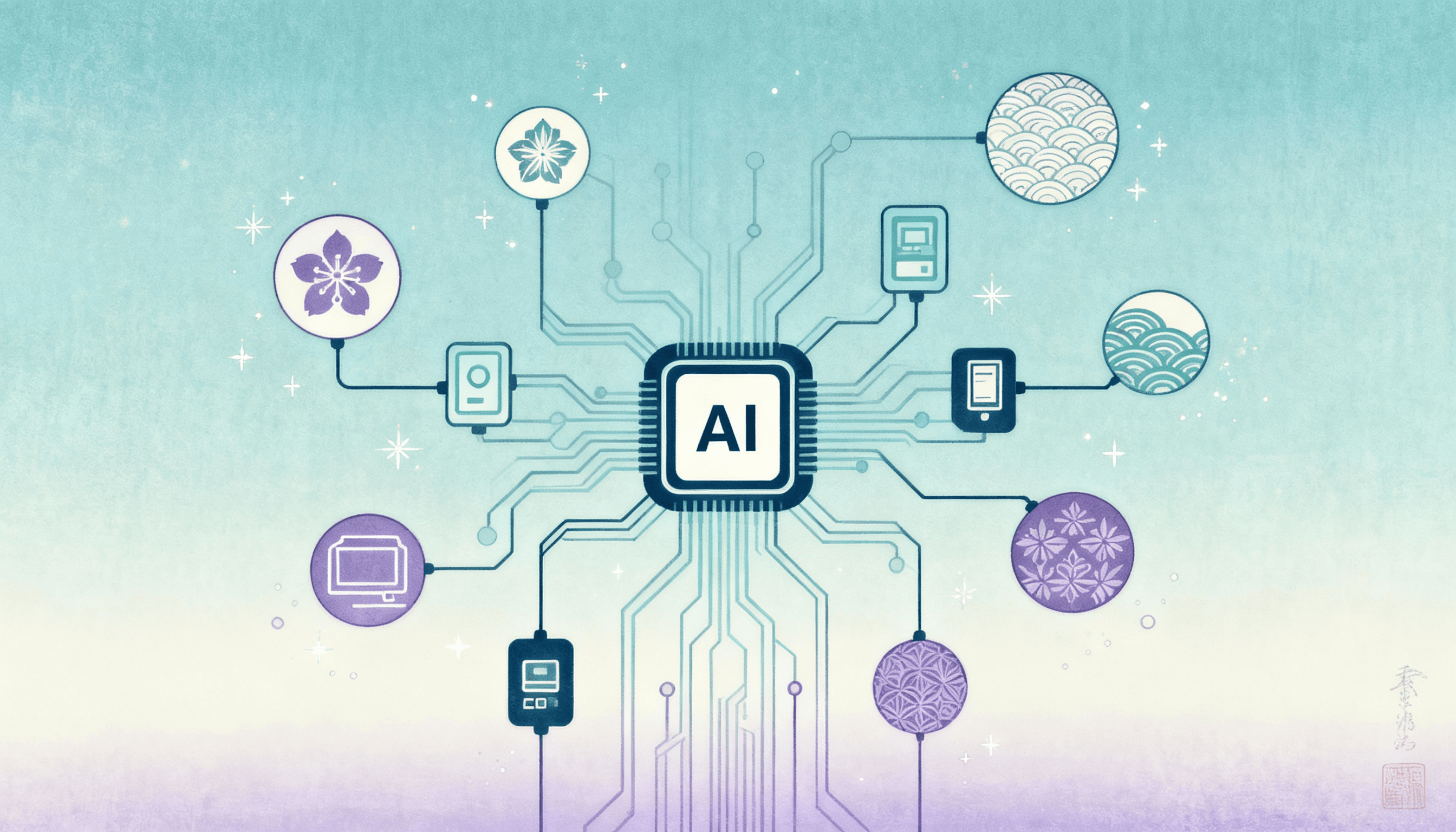
To stay at the forefront of technology, companies are investing in AI ecosystems, where people, data, processes, models, and agents work in a coordinated system. Why? Because today’s business environment demands speed, fast delivery, efficient use of time, and above all, the ability to make intelligent decisions across all areas.
In Europe, 41% of large organizations are already incorporating AI mechanisms. This is no longer a trend—it’s a reality shaping the difference between being helped by AI and advancing with AI.
Building an AI ecosystem inside a company is not just about implementing isolated tools. It requires a solid architecture that connects data, models, people, and enables intelligent agents to work as one unified system.
To implement an AI ecosystem, a company must first evaluate its processes and define where automation brings the most value. Once objectives are clear, the next step is to organize and centralize data for complete visibility. Then comes simple automation to eliminate repetitive tasks and prepare teams to work with intelligent technology. With this foundation, intelligent agents can be integrated to execute tasks and coordinate workflows autonomously.
Transforming your organizational system is no longer optional—you must do it. When data, models, and agents work in an integrated system, benefits multiply across all business areas:
Together, these cases show how AI reduces friction, speeds up processes, and makes organizations significantly more agile.
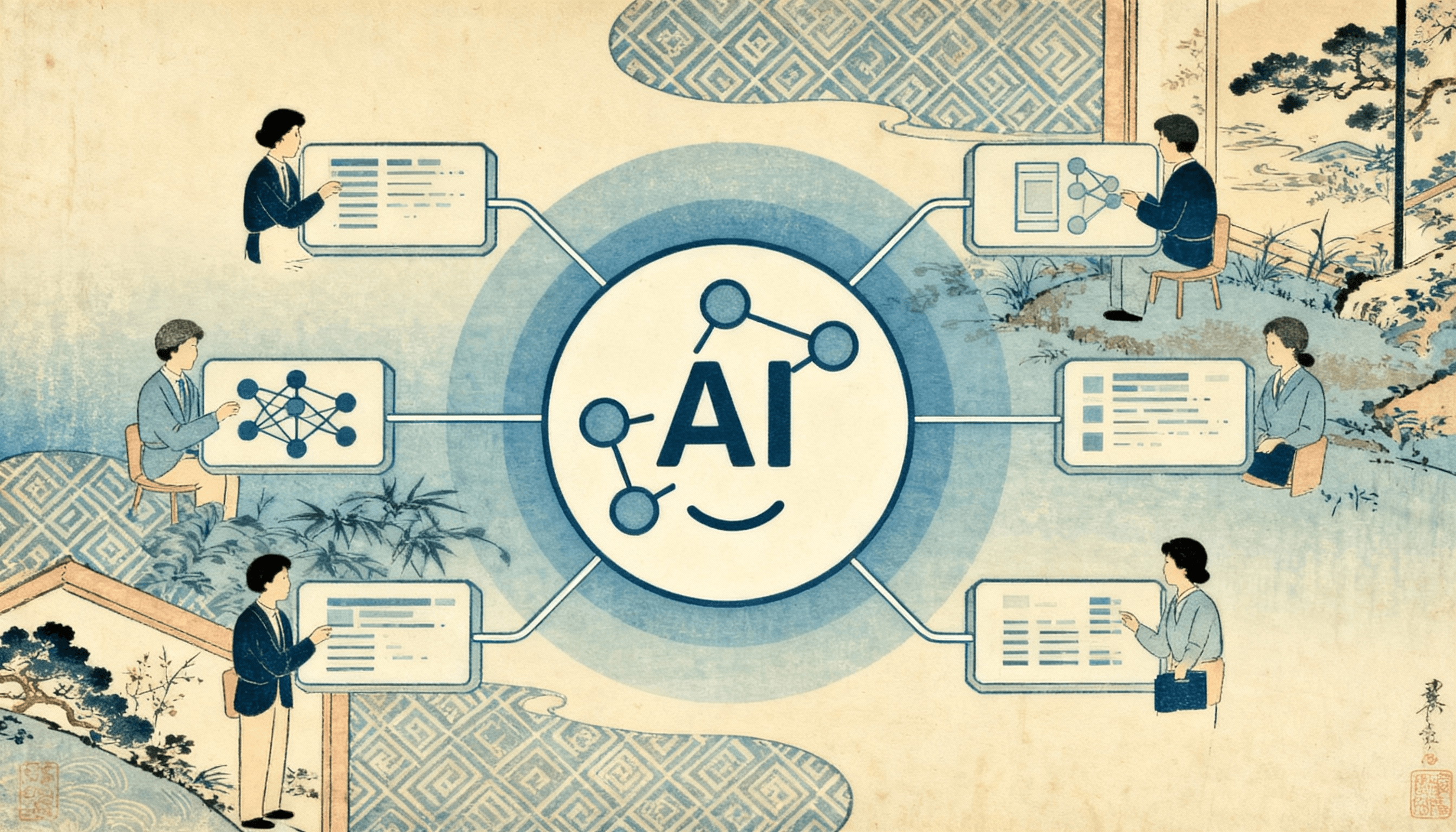
Implementing an AI ecosystem allows companies to move from isolated tasks to truly connected operations. With unified data and intelligent agents, organizations gain speed, precision, and adaptability. The key is to start now, scale intentionally, and build a culture that sees AI as a strategic ally.