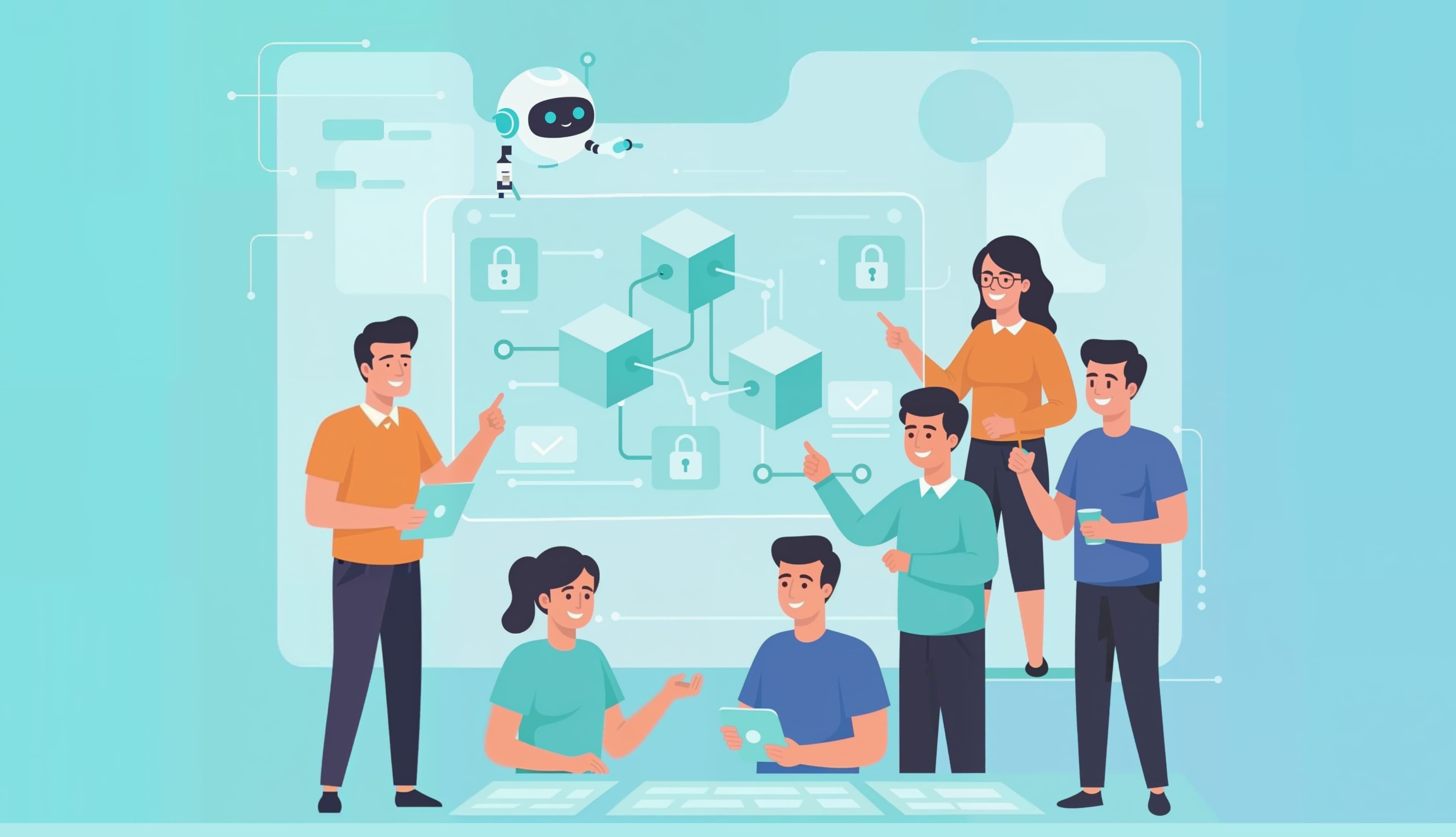
Real cases where AI is taking action
AI is transforming sales, HR, marketing, and operations with automation, predictive analytics, and more agile processes. Companies integrating it report more speed, efficiency, and sustainable growth. Adoption is no longer optional: it’s the new operational standard.

Table of Contents
Introduction
Artificial intelligence is here to stay, and adopting it brings one of the greatest benefits, occurring in every key area of business. From sales generating opportunities to HR teams automating complete processes, companies that have integrated AI into their processes report significant improvements in growth, productivity, efficiency, and operational capacity.
According to McKinsey, generative AI could contribute up to 4.4 trillion dollars in additional annual economic value globally. And 60% of employers say AI will be one of the biggest forces transforming the workforce by 2030 (World Economic Forum, Future of Jobs 2025).
1. AI-Powered sales
Automating sales with AI boosts team productivity. Instead of making decisions based on intuition, teams now work with data, predictive models, and automation that increase conversion rates and reduce operational times.
Real use cases
- Lead scoring and smart prospecting: AI identifies leads with the highest probability of converting by analyzing web behavior, interactions, purchases, and response times.
- Automating emails, proposals, and follow-ups: LLMs generate proposals, scripts, and personalized messages in seconds.
- AI-based sales forecasting: Models predict closure probability, expected revenue, and real market trends.
- Autonomous follow-up agents: Assistants that perform follow-ups, schedule meetings, and reactivate cold leads.
2. AI-Powered human resources
In this area, AI helps evolve data management, smart models, finding the ideal candidates, enhancing their experience, speeding up processes, and providing objective evaluations.
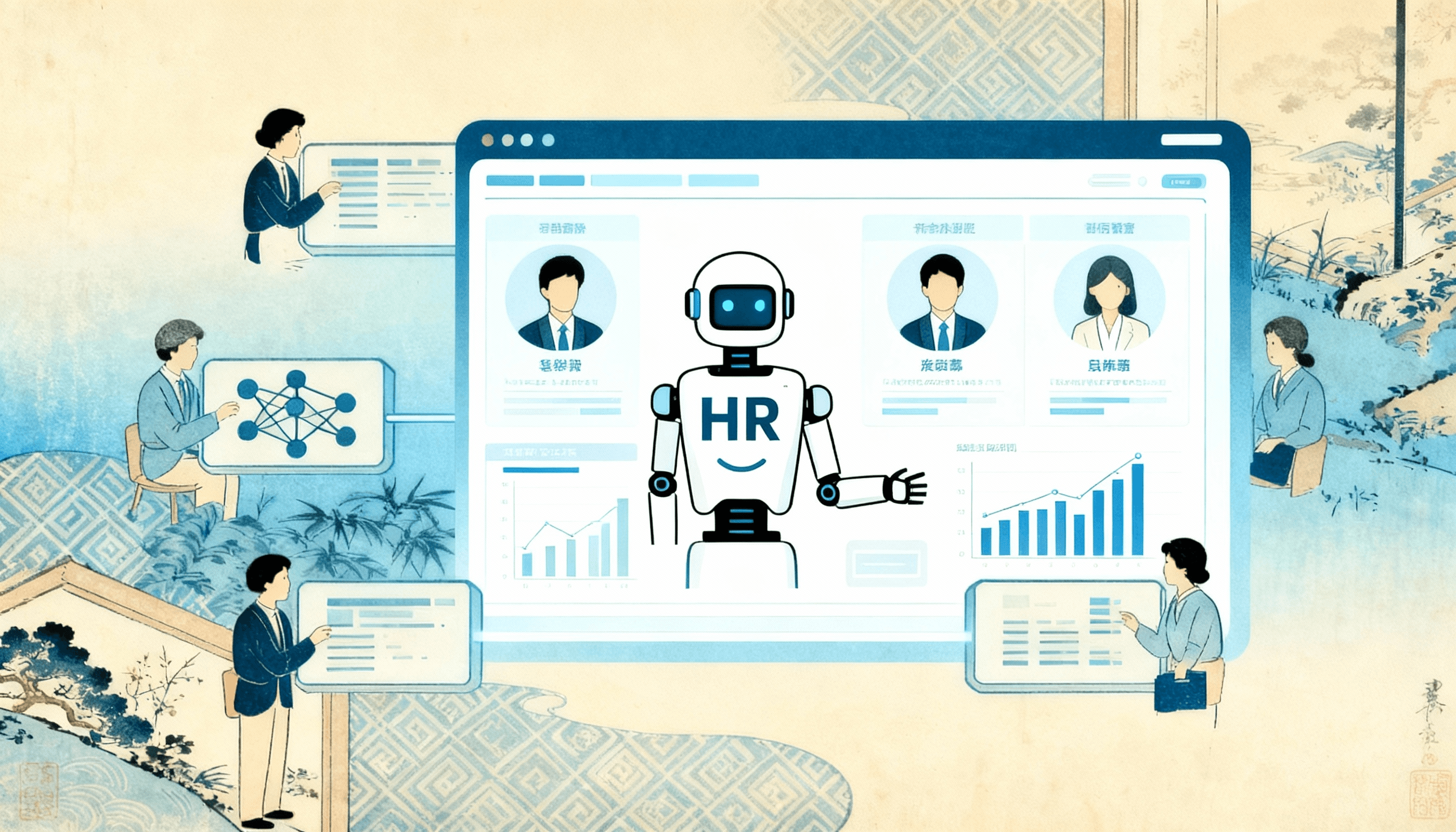
Real use cases
- Smart CV filters: Systems that analyze thousands of profiles and highlight those that meet the required criteria.
- AI-guided onboarding: Bots that assist new hires, provide documents, and answer frequently asked questions.
- Workplace climate analytics: Early detection of turnover risks, burnout, or lack of engagement.

3. AI in Marketing: Intelligent Segmentation
Marketing has seen the greatest growth thanks to AI. Its impact ranges from automatic content creation to campaign optimization and advanced consumer analysis.
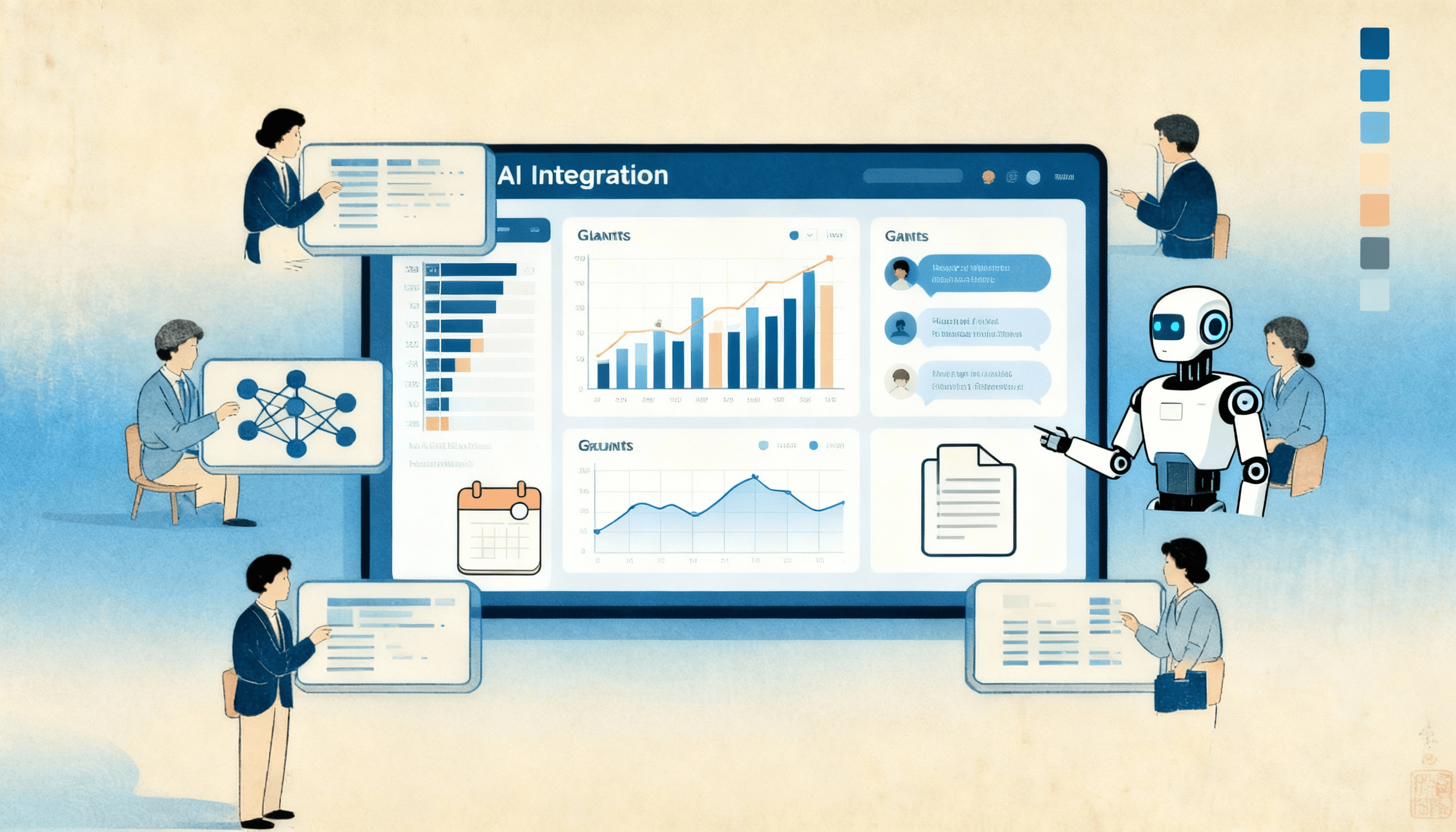
Real use cases
- Precise segmentation: Audiences grouped based on real behavior, not just demographic data.
- Automatic content creation: Copies, ad variations, and creative recommendations based on performance.
- Intelligent multi-channel attribution: Models identifying which channel truly impacts conversions.

4. AI for efficient operations
Operational areas adopting AI for cost reduction, increased automation, and efficiency are becoming the space with the most significant financial impact within organizations. AI in this area makes operations more agile, anticipates demand, and reduces errors.
Real use cases
- Process automation (RPA + AI): Eliminates repetitive tasks like billing, audits, logistics, or claims, freeing up work hours.
- Real-time anomaly detection: AI identifies failures, fraud, or unusual behaviors by analyzing millions of events simultaneously.
- Supply chain optimization: Predicts demand, adjusts inventories, and improves logistics routing to reduce stockouts and accelerate deliveries.
- Capacity and workload management: Detects overloads, bottlenecks, or inefficiencies and suggests resource redistribution, resulting in more agile operations and 10–20% lower costs.
Recommendations
- Start with simple automations and scale in stages.
- Keep data clean, updated, and centralized.
- Train teams to work with AI naturally.
- Monitor metrics in real-time and adjust continuously.
Conclusions
AI is no longer a differentiator but the new standard of business work. Organizations that integrate it into sales, HR, marketing, and operations are achieving faster speeds, better productivity, more precise decisions, and more agile operations, driving sustained growth. MeetLabs helps companies create AI ecosystems that connect data, processes, and teams to operate with greater intelligence and competitiveness.