In digital products, many technical decisions are made for the present. Organizations that scale sustainably understand something different: architecture is also memory. Reusing knowledge, aligning the stack, and standardizing is not conservatism it’s strategy. This article explains how technical coherence can become a genuine competitive advantage.
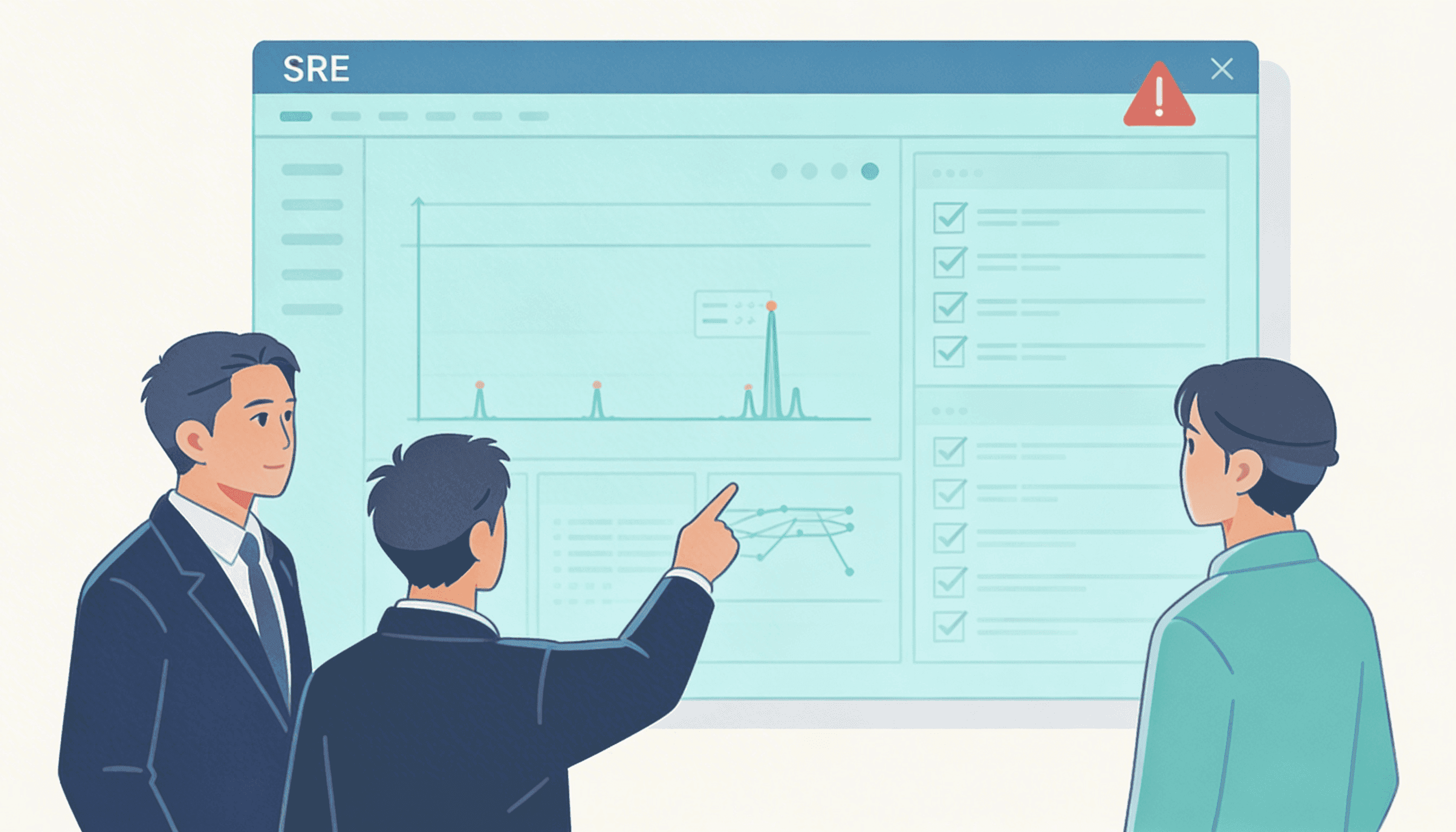


When a company launches a new product, the temptation is to start from scratch: a new team, a new repo, new tools. But starting from zero doesn’t always mean starting better. At Tapple Inc., with their Koigram app, the choice was different: build on what was already learned. Not repeating mistakes. Not reinventing what already works. Designing with memory transforms architecture from a merely technical concern into an organizational one.
Many teams building new products fall into the same traps:
The outcome is not innovation it’s friction.
When every product follows a different logic, the company loses internal coherence.
Choosing to keep coherence with a previous stack isn’t conservatism. It’s capitalizing on experience. Every past incident, every fixed bug, every optimization becomes part of future design. That reduces uncertainty and reducing uncertainty is a competitive advantage.
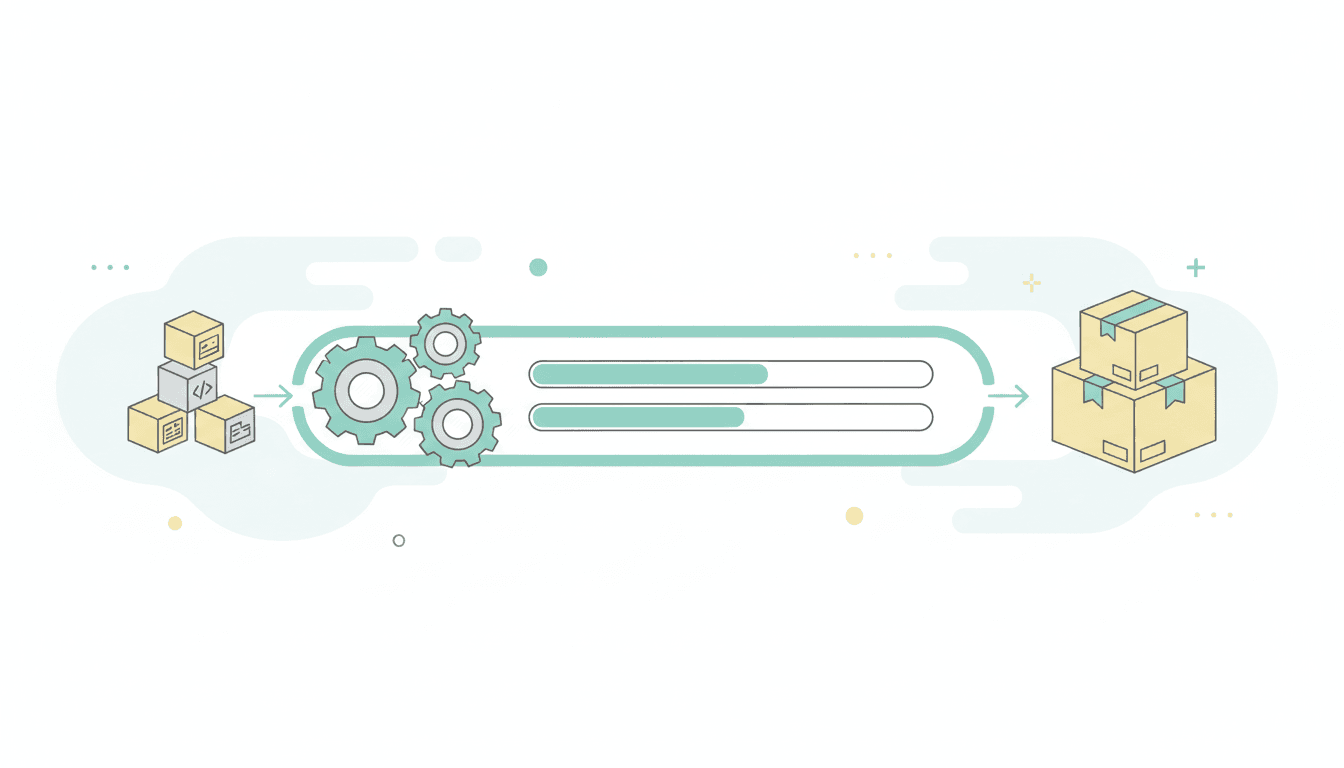
Key consequences:
Aligning tools, CI/CD flows, and code standards enables teams to:
Speed does not come from constantly swapping tools. It comes from mastering the tools that already work.
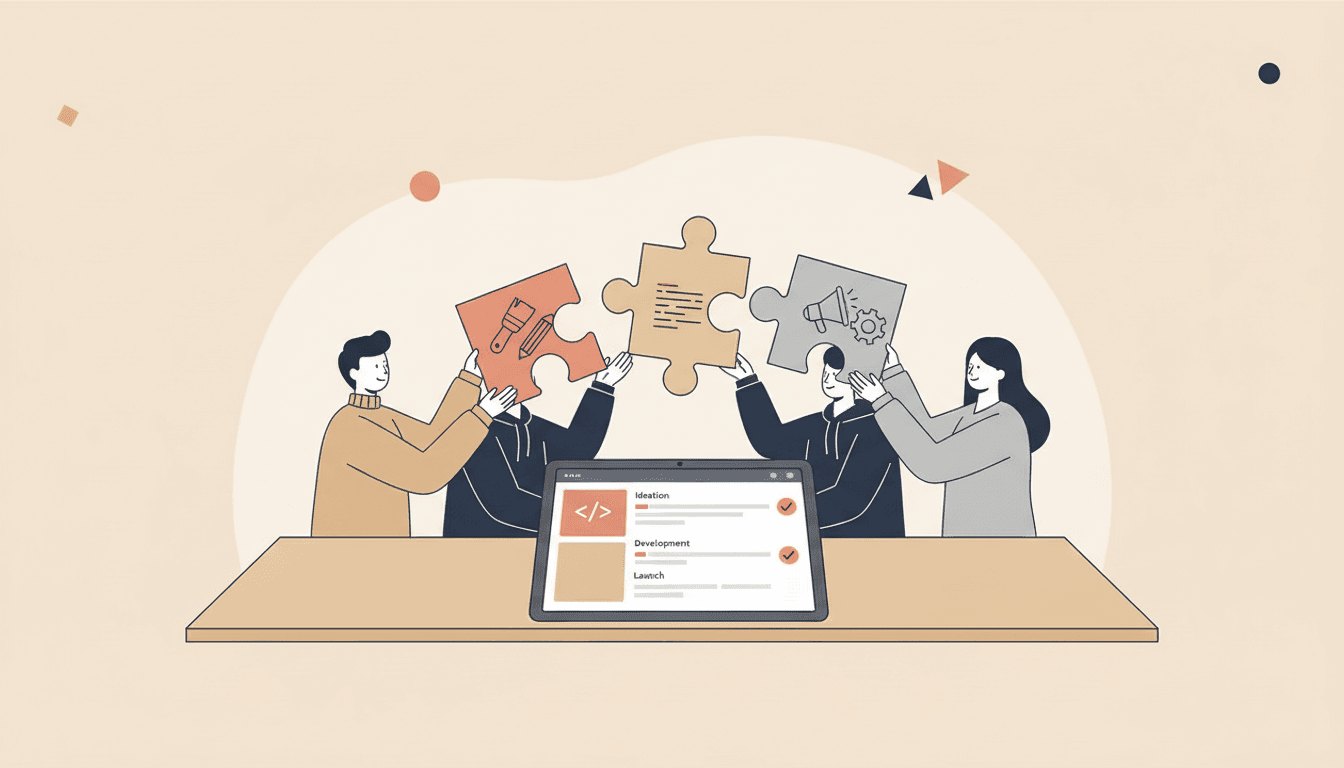
When the stack is coherent across products:
That yields something often overlooked: operational calm. Operational calm enables strategic thinking instead of continuous firefighting.
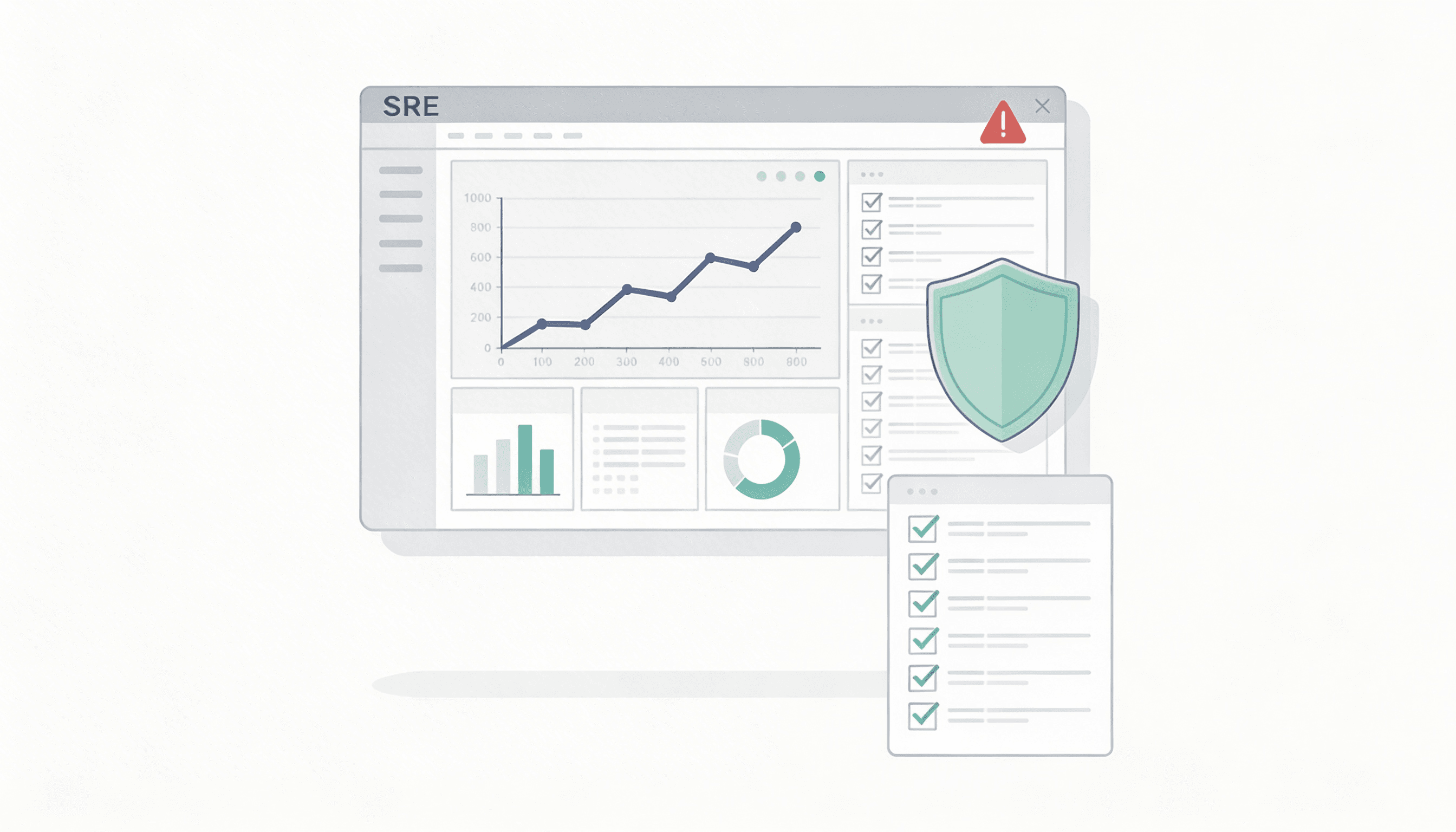
Outcomes:
Architecture organizes more than code it organizes knowledge. Consciously reusing technical experience turns the past into a strategic asset. Standardizing isn’t about limiting creativity; it’s about protecting velocity. In digital products, sustainable speed always beats fleeting brilliant improvisation.