Scalability is a fundamental aspect of modern software development, especially for rapidly growing projects that must preserve efficiency and organization. One common strategy teams use to address this challenge is automation through code generation tools. These tools create files, components, or entire structures from templates, reducing human error and increasing productivity. This article explains how automation contributes to system scalability, with Moldable as an example tool designed to simplify code generation and optimize web development workflows.
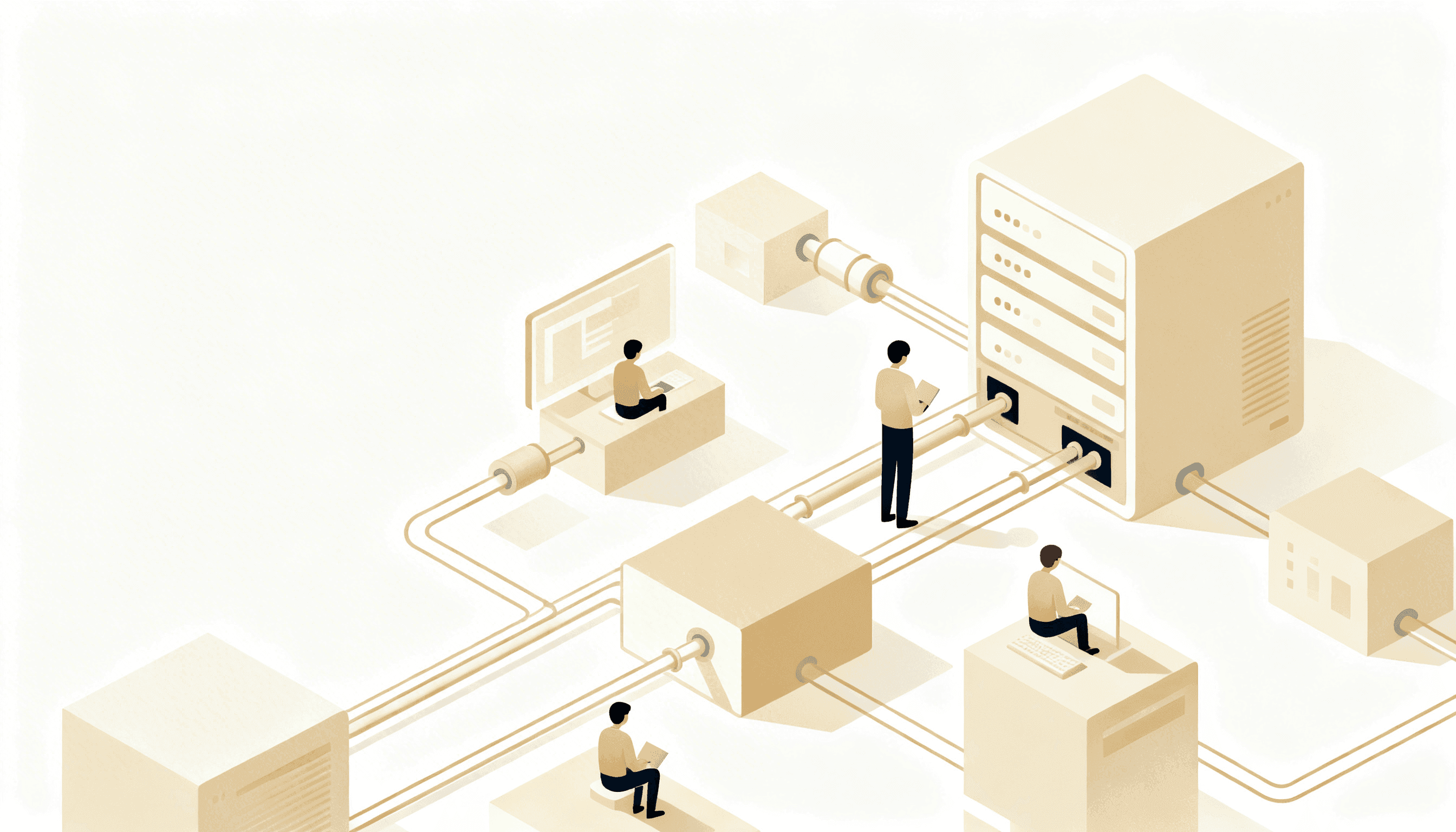


In today’s software development landscape, the ability to build scalable systems is key to ensuring applications can grow without losing performance or quality. As projects increase in size, the amount of code to maintain also grows, which can lead to issues such as duplicated files, human mistakes, and inconsistent project structure. To tackle these challenges, many organizations implement automation tools that generate code quickly and in a standardized way. This approach not only improves developer productivity but also helps keep systems more organized, maintainable, and ready to scale.
Scalability refers to a system’s capacity to handle growth in demand without impairing its operation, in software development, this means designing applications that can adapt to new users, features, and technological changes without needing a complete rebuild.
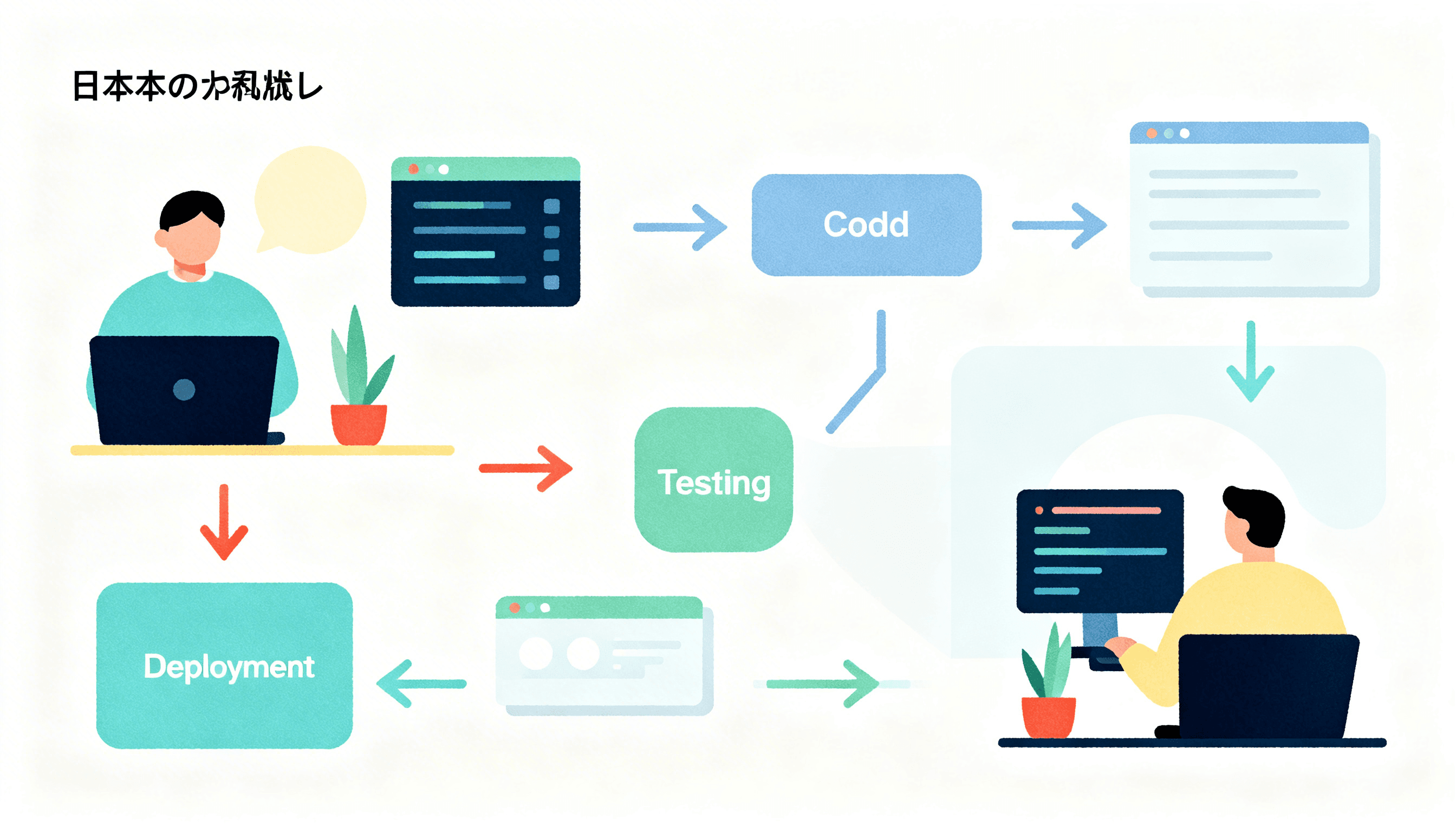
Automation is a strategy used to minimize repetitive tasks in software development. Instead of manually creating files or duplicating existing components, developers can use tools that automatically generate code from predefined templates.
Code generation tools allow teams to create complete project structures using configurable templates. These tools often run via command-line interfaces (CLI) that prompt for user input and automatically produce the necessary files.
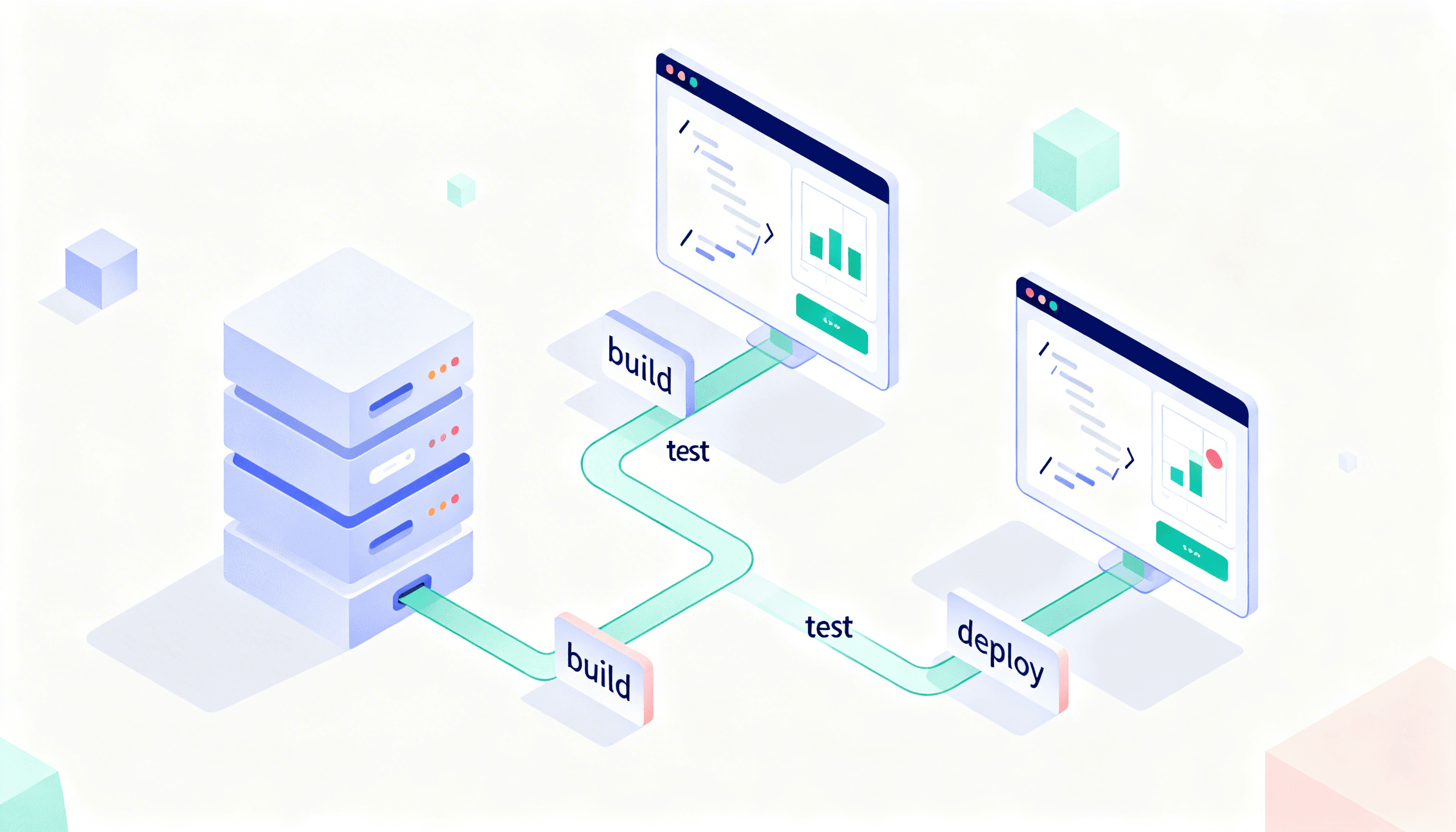
Moldable is a code-generation tool that uses Markdown files to define configurations and templates within a single document. Its design aims to simplify the file-generation process in web development projects, enabling developers to produce project structures with a single command.

Scalability is essential in modern software development because it allows applications to grow and evolve without compromising performance or stability, automation through code-generation tools is an effective solution to reduce repetitive tasks, improve code organization, and raise developer productivity. Tools like Moldable demonstrate that code creation can be simplified with templates and CLI utilities, helping teams build more efficient, maintainable systems that can adapt to new technological demands.