In decoupled architectures, ensuring data quality is the producer's responsibility, not the consumer's. This shifts system design: validation stops being reactive and becomes structural. In this article we explore how to implement producer-side validation using OpenAPI and ogen, and why doing so improves system reliability from the ground up.
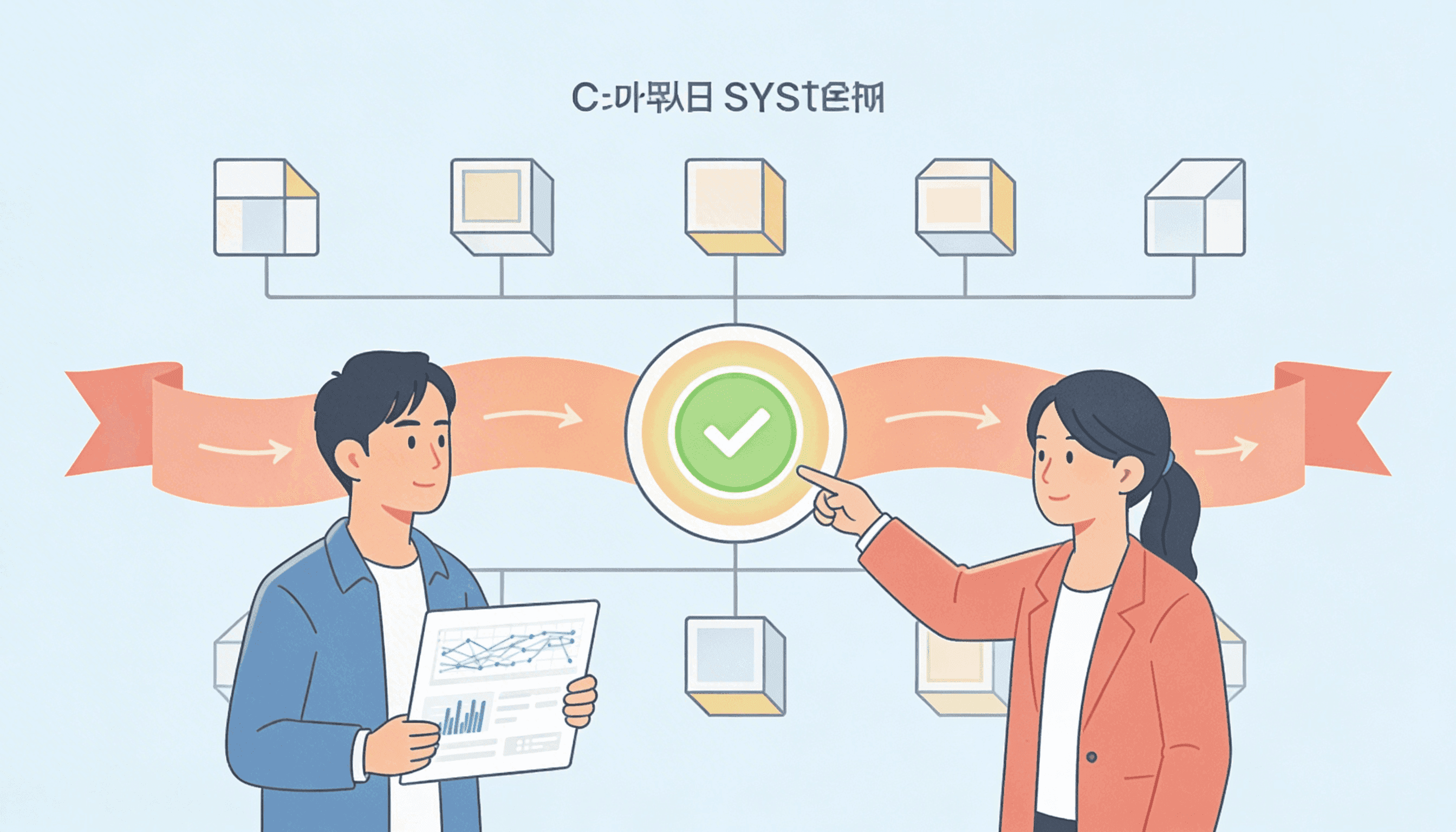


In modern systems especially those built with decoupled architectures data flows across multiple services without direct synchronous feedback. That design enables scale, but it also creates a silent risk: when data is incorrect, the error propagates unchecked.
At Meetlabs we believe quality cannot rely on late validation or implicit assumptions. System reliability begins where data is born. Designing with that premise changes the approach: it’s not about handling errors after the fact, but preventing them at the source.
When errors have no feedback Decoupling solves scalability and availability, but it introduces a less obvious trade-off: loss of immediate feedback. When a producer sends data via queues or events, there is no synchronous validation that guarantees that data is correct from the consumer’s perspective.
This turns errors into something more dangerous: silent errors. They don't fail immediately, but they degrade the system progressively.
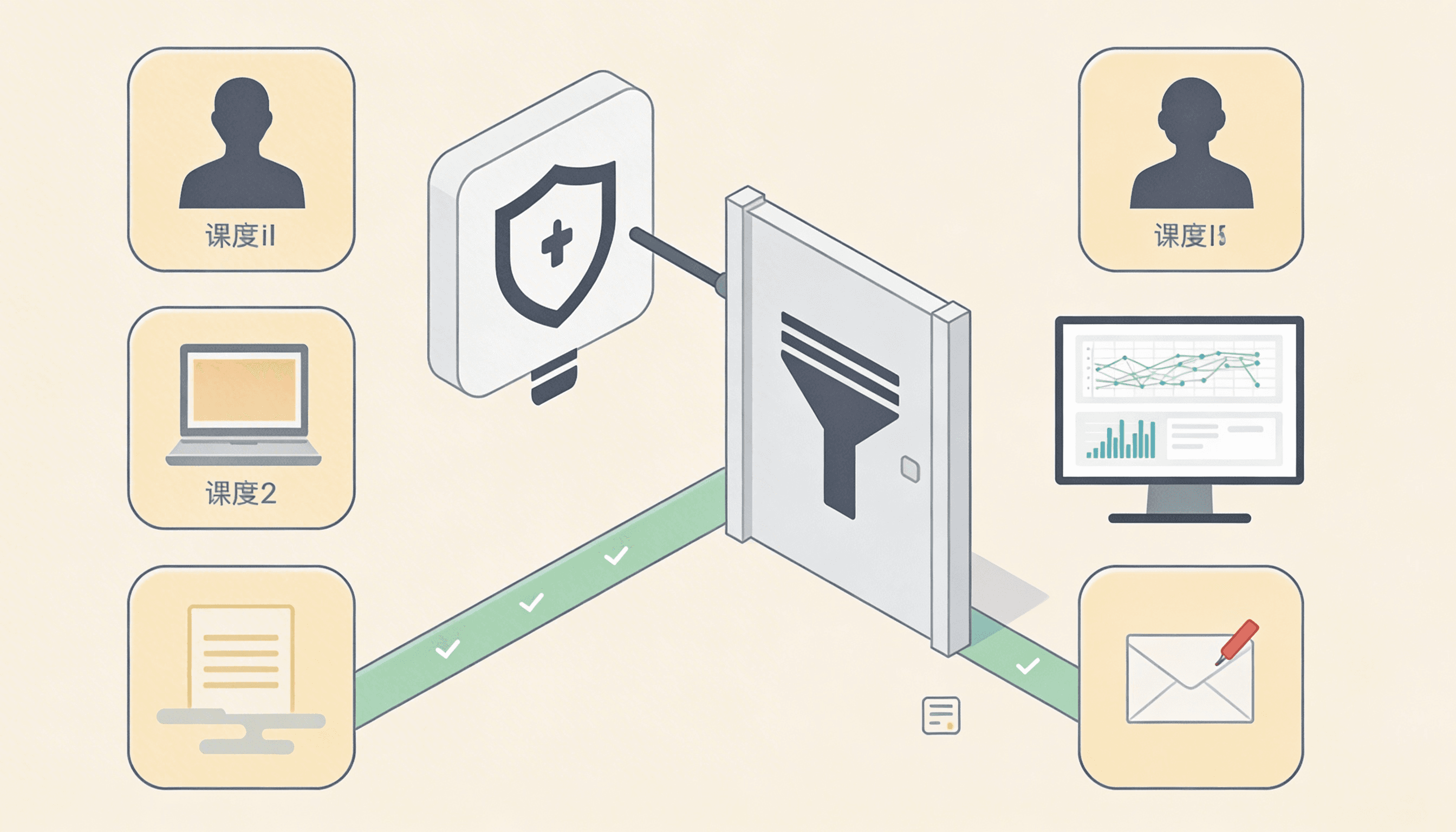
Many teams talk about contracts but operate with implicit structures, the problem is that the implicit does not scale: every service interprets data its own way.
Defining contracts with OpenAPI is not mere documentation it's technical alignment. It's establishing a single source of truth for how data should look.
The real value of a contract appears when it stops being static. Tools like ogen turn definitions into executable code, enabling requests to be validated automatically before they leave the system.
This is where design meets operation: what you defined in the schema becomes real enforcement.
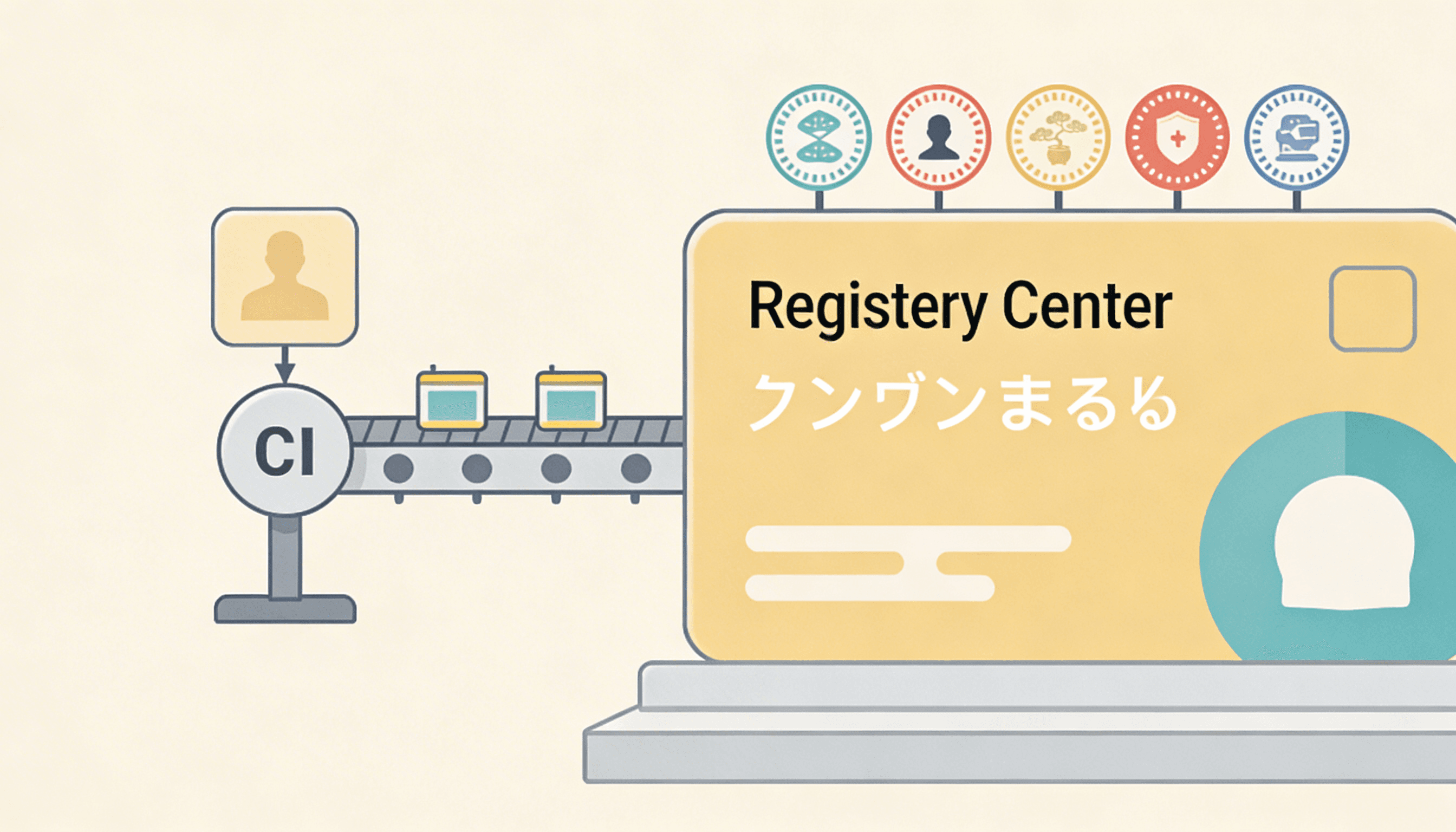
Delegating validation to the consumer is convenient but architecturally incorrect. It assumes errors are inevitable and that the system must adapt to them.
Moving validation to the producer changes that logic: the system is designed to avoid errors rather than to react to them.
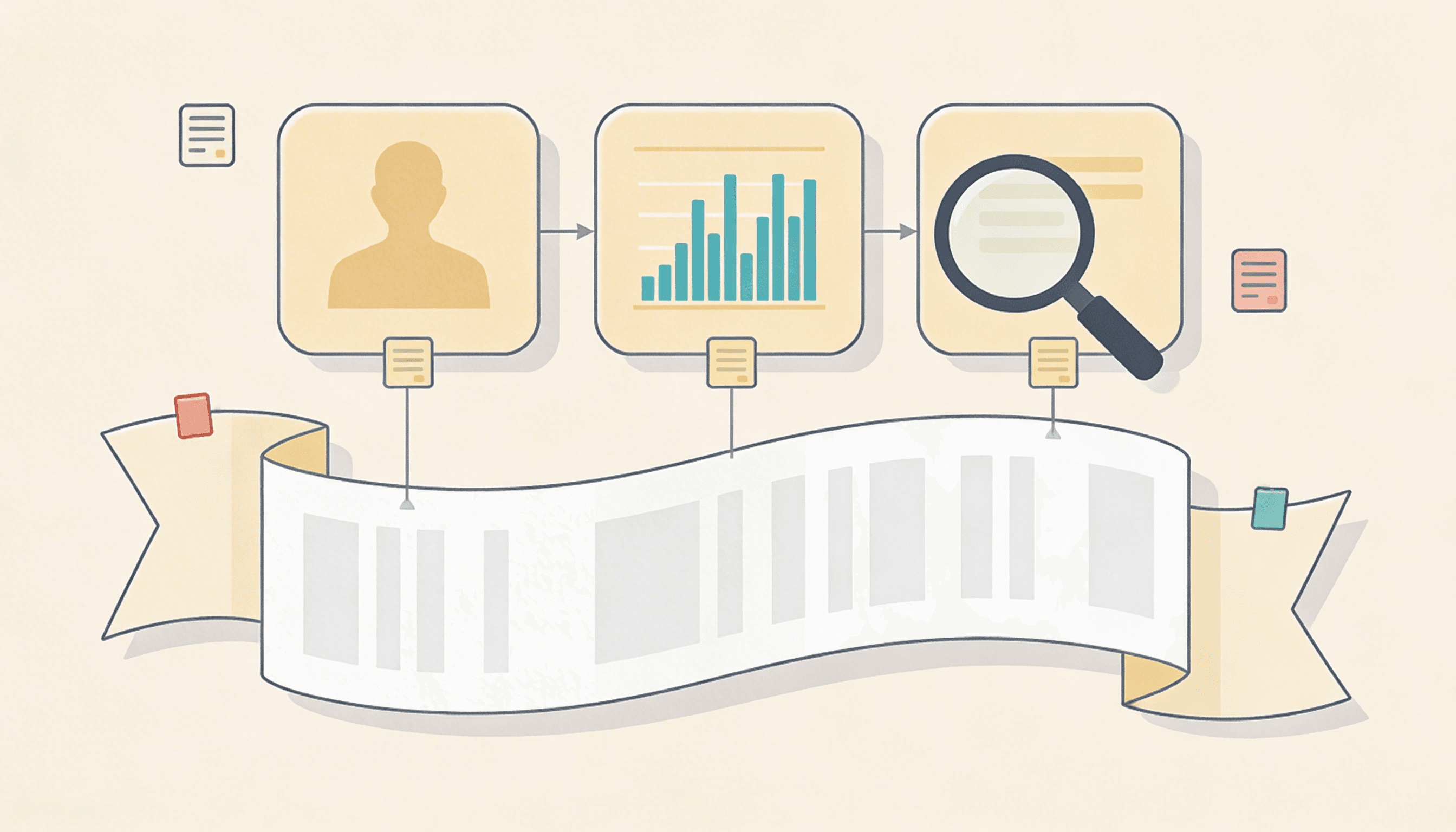
Producer-side validation does not replace good data modeling. If the design is weak, validation only guarantees that the mistake is consistent—not that the system is correct.
Therefore, validation must be treated as an extension of design, not as a patch.
In decoupled systems, data quality cannot depend on late validations, designing validation at the producer transforms system reliability preventing errors before they exist and reducing complexity across the architecture.