Introduction
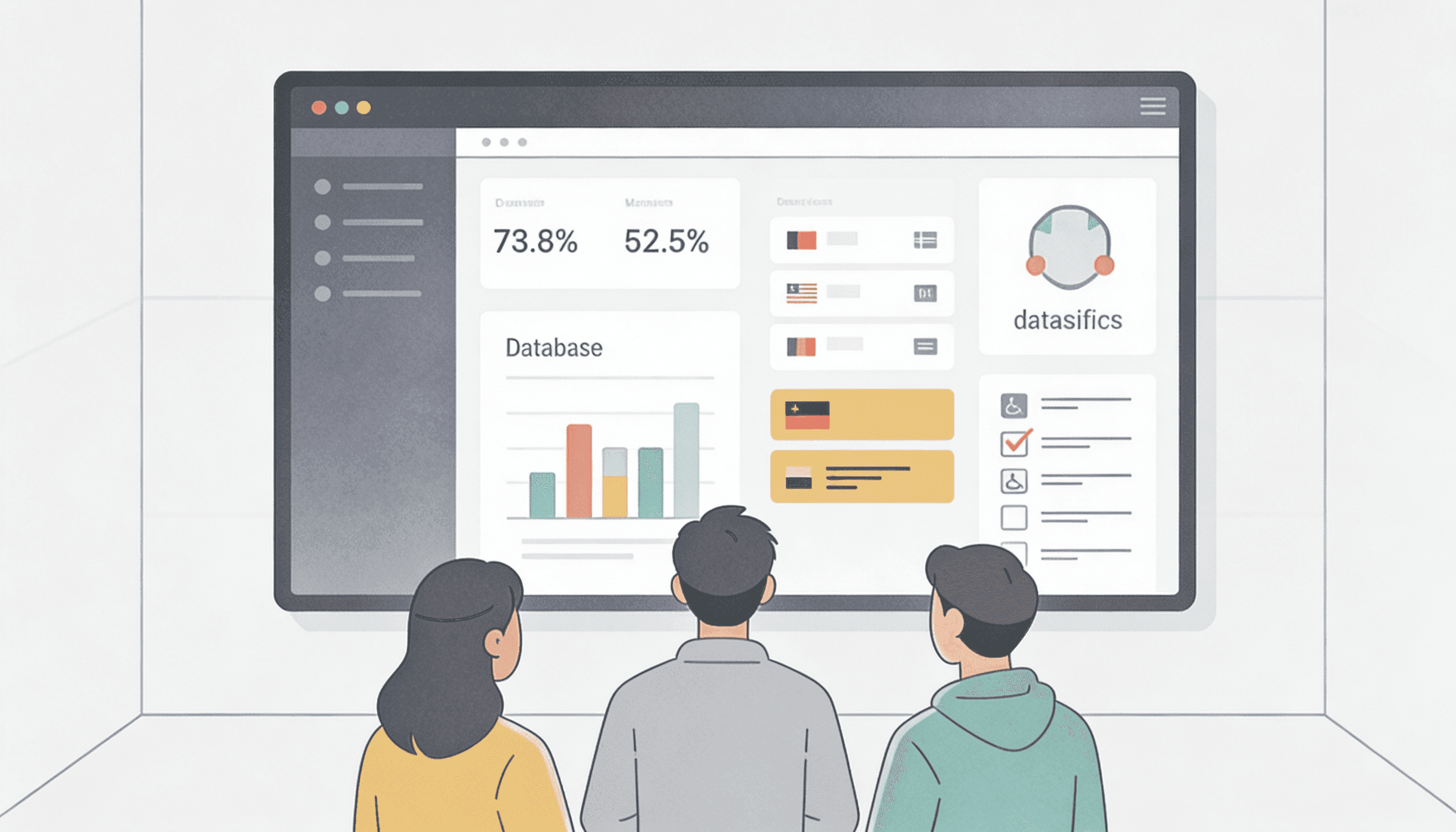
Learning databases shouldn't be limited to memorizing the differences between RDBMS and NoSQL. In the real world, technical decisions directly affect service stability, user experience and the business. This training approach starts from a clear principle: understand how databases are used in production, why they were chosen, and what happens when something fails.
From the Classroom to Production: Understanding the Real Database Ecosystem
Instead of beginning with abstract definitions, the first step is to grasp what types of databases coexist in a real environment and which problems they solve.
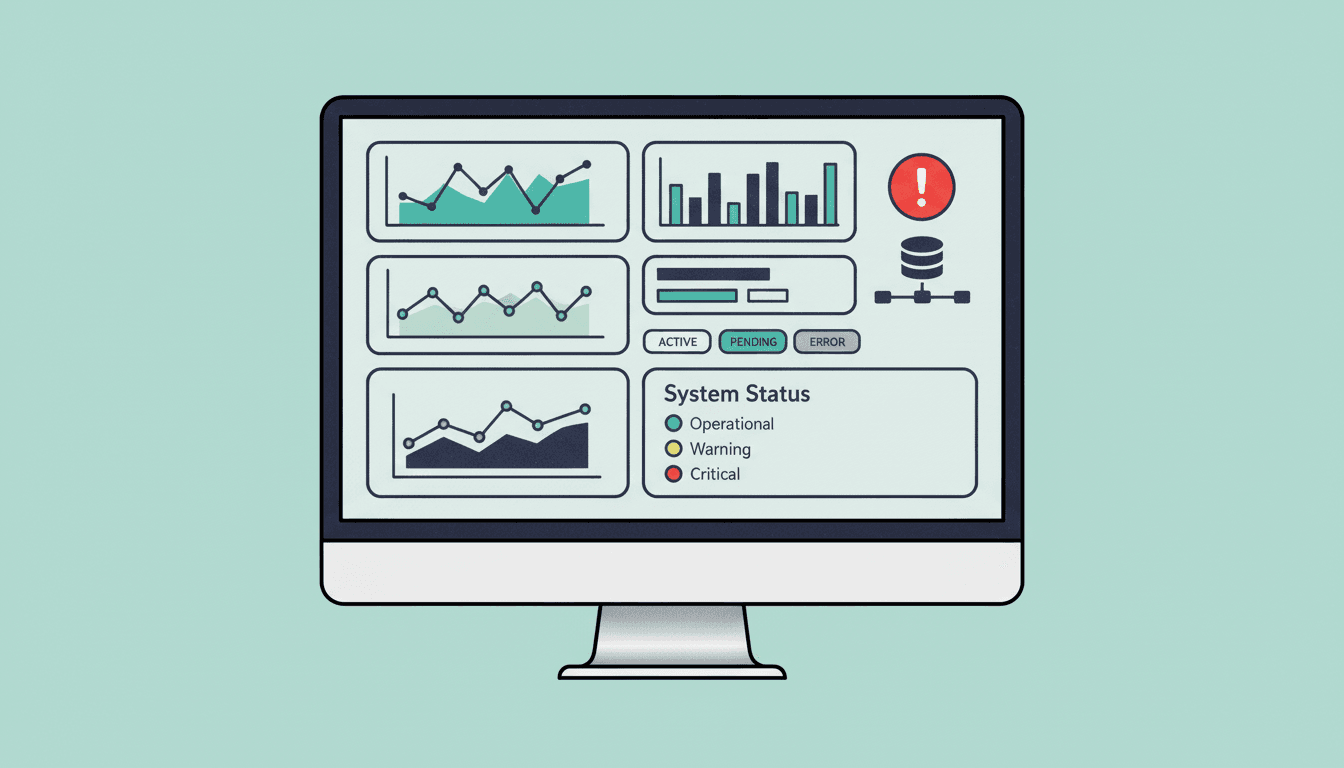
Types of Database Systems
- RDBMS: strong in consistency and structured modeling, but with clear limits in write scalability.
- NoSQL: flexible, scalable, and tailored to specific use cases such as caching, document storage, or search.
- NewSQL: attempt to combine the best of both worlds, though they don't remove the need to choose wisely by use case.
Scalability Beyond Theory
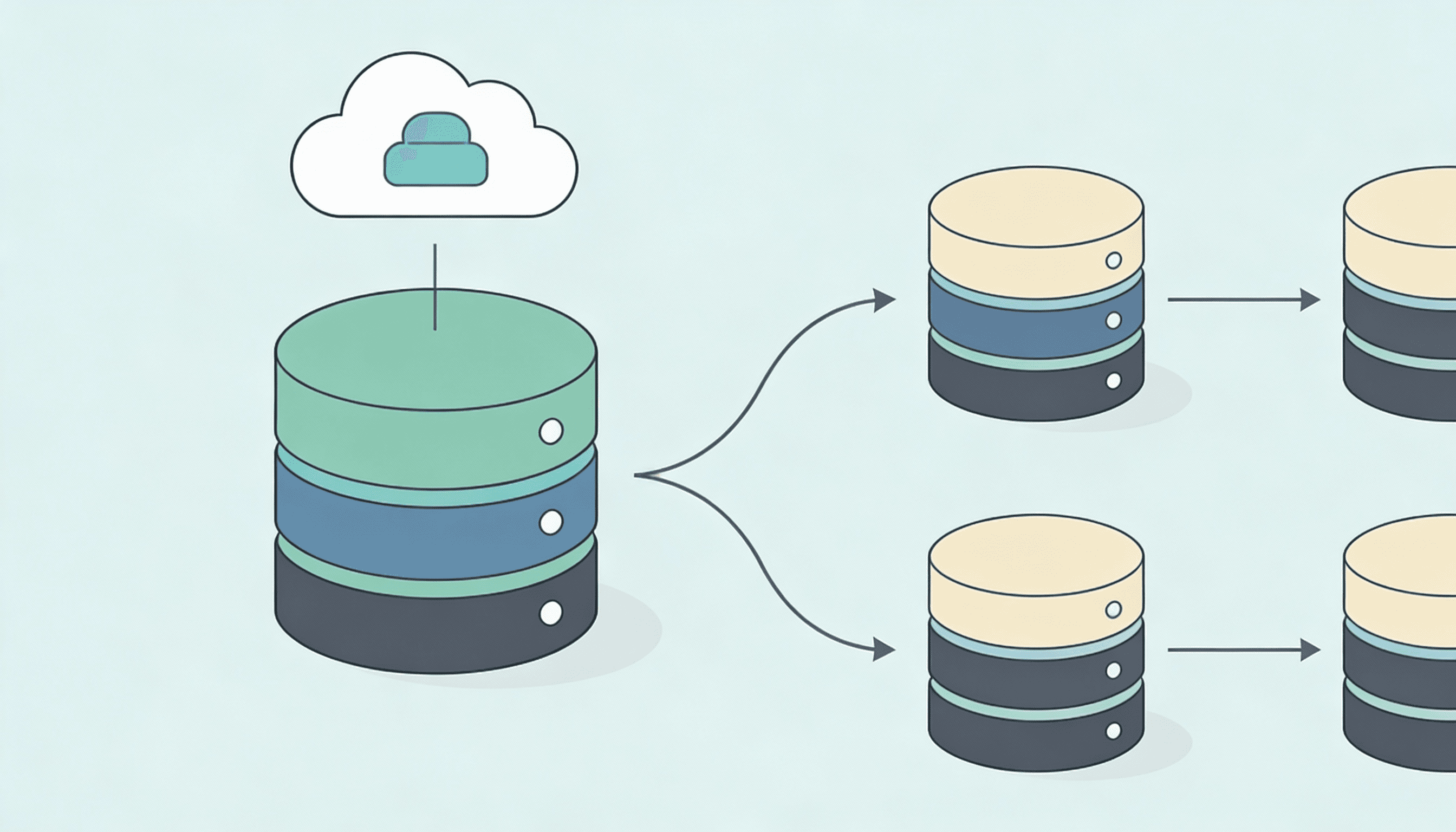
- Horizontal and vertical partitioning are not academic concepts: they are implemented at the application level.
- Automatic sharding (as in MongoDB) radically changes how a system grows.
- There is no “perfect database” only context-dependent decisions.
Which databases are actually used and Why
One of the most valuable learning sources is observing what technologies are used in production, not just what's trendy.
Real-World Usage Patterns
- MySQL dominates as the primary relational database.
- Redis and Memcached are used for speed and load reduction.
- Elasticsearch appears when search is a central concern.
- DynamoDB and MongoDB cover specific scalability needs.
Choosing Well From the Start
The key decision is not simply which database to use, but why. Everything depends on context and the trade-offs accepted from the beginning:
- The type of data being stored
- The required level of consistency
- Growth in volume and load
- Acceptable long-term trade-offs
If these decisions are not evaluated properly, problems emerge over time: uncontrolled table growth (data bloat), progressive performance degradation, and new features introducing bottlenecks that go unnoticed at first.
Investigate Before Optimizing
- Optimizing without understanding the problem often makes things worse. The key is to read the system's correct signals.
- Observability with AWS Performance Insights to detect real patterns.
- Analyze the slow query log to identify critical queries.
- Use pt-query-digest to prioritize actual impacts.
- EXPLAIN and EXPLAIN ANALYZE to understand execution plans.
Indexes can completely change performance, but they are not magic: every index is a conscious decision that can help or complicate the system if applied without criteria.

Recommendations
- Learn databases from real cases, not just concepts.
- Observe which technologies are used in production and why.
- Investigate before optimizing any performance issue.
- Use metrics and logs as guidance, not noise.
- Treat every incident as a structured learning opportunity.
Conclusions
- Understanding databases in production means understanding how data, queries, infrastructure and human decisions interact.
- Theory is necessary but insufficient. Incidents, performance degradations and real technological choices are what build technical judgment.
- This practical approach enables engineers not only to react better to problems but to design more resilient systems from the start.
Glossary
- Data bloat: Excessive data growth that degrades performance.
- Sharding: Distribution of data across multiple nodes.
- Slow query log: Record of queries that take longer than expected.
- EXPLAIN: Tool to analyze query execution plans.
- Observability: The ability to understand a system’s internal state.