In modern distributed systems, scaling is no longer only about infrastructure it’s about getting the data model right. As systems grow, strict coordination between nodes becomes costly, brittle, and hard to maintain. In this article we explore how CRDTs (Conflict-free Replicated Data Types) enable the construction of distributed systems that scale without blocking, avoiding locks, central coordinators, and complex conflict resolution. We explain why well-designed eventual consistency is not a compromise but a strategic advantage for modern architectures.
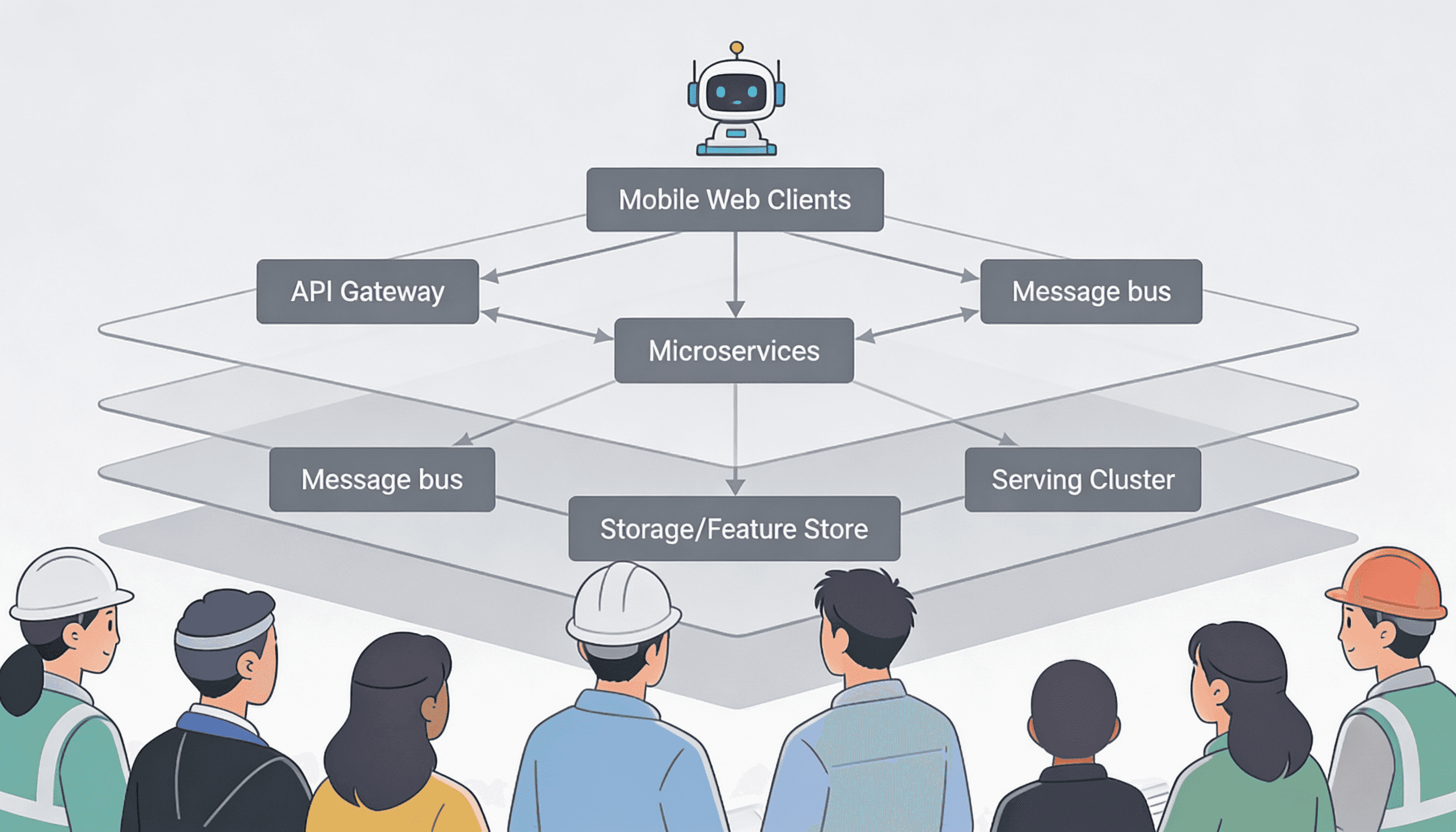


One of the biggest challenges in distributed systems is not storing data, but keeping it consistent without slowing the system down. Traditionally, strong consistency has been achieved through locks, global transactions, or single leaders. These strategies work in small systems but degrade quickly as scale, latency, or geographic distribution increase.
At Meetlabs, where we design systems meant to grow and run continuously, we understand that removing unnecessary dependencies between nodes is key to achieving resilience and scalability. This is where CRDTs provide a powerful alternative.
Every time a distributed system needs to “agree,” it pays a price:
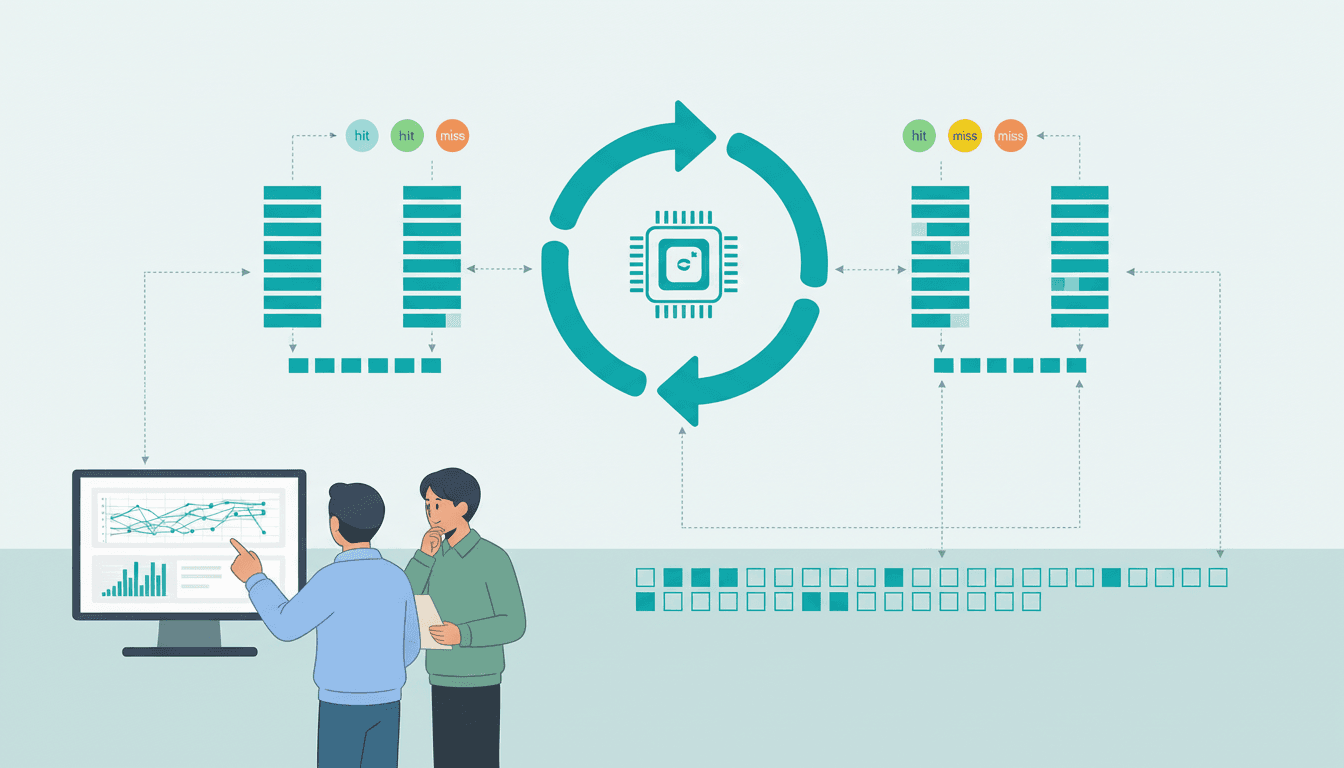
In real environments, failures are not exceptions they are part of normal operation. Designing systems that depend on constant coordination implies accepting single points of failure or severe degradations. The key question is not how to force consistency, but when we truly need it.
Conflict-free Replicated Data Types are data structures designed to be replicated across multiple nodes and to automatically converge without coordination and without conflicts. Their core principle is simple but powerful: “Given the same set of updates (in any order), all replicas reach the same final state.” This removes the need for locks, manual merges, or ad-hoc conflict resolution.
The biggest contribution of CRDTs is not merely technical, but conceptual. They force us to:
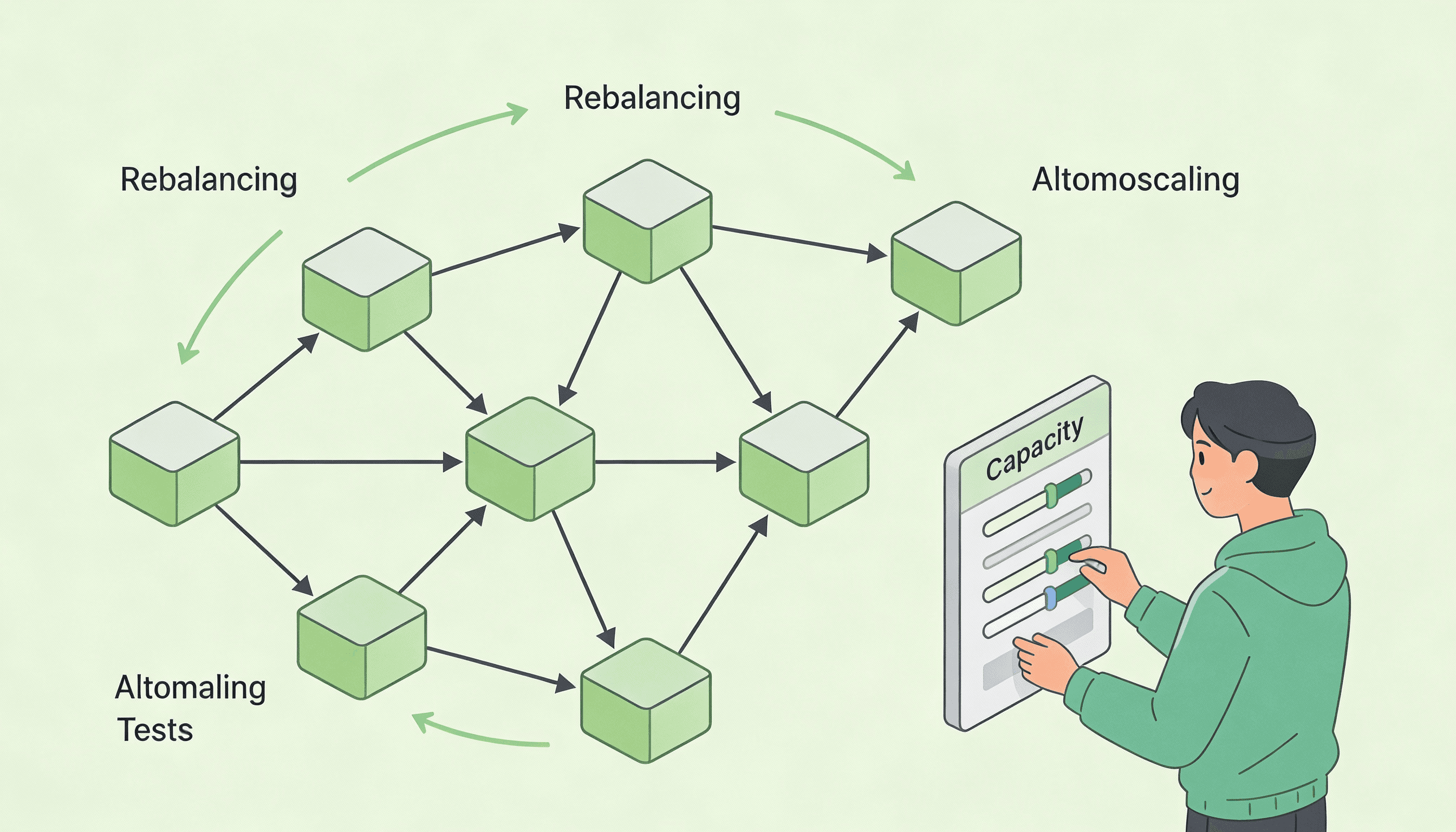
In well-designed systems, this translates to:
Scaling stops being a fight against infrastructure and becomes a consequence of good design.
From an operational point of view, CRDT-based systems offer clear advantages:
This frees the team to focus on product and evolution, rather than putting out fires caused by coordination issues.
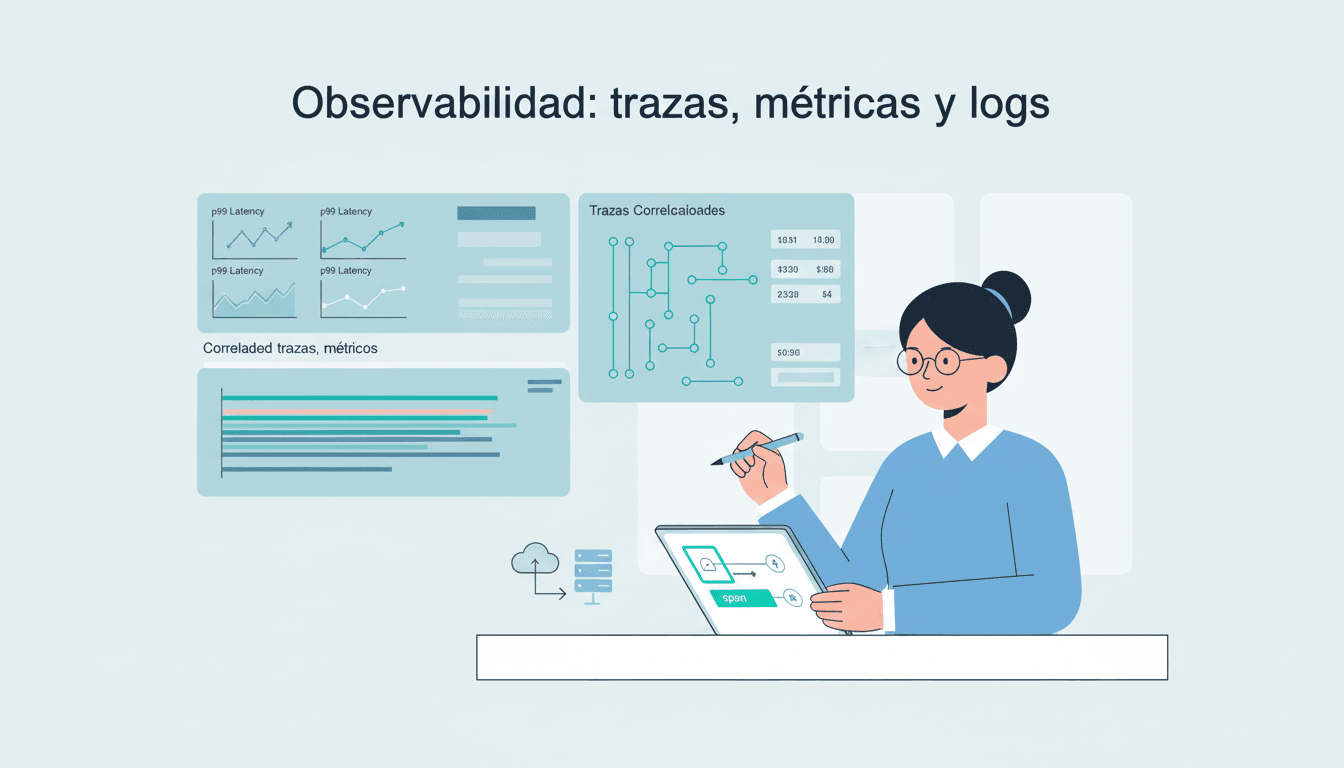
Don’t try to apply CRDTs to everything: first identify where strong consistency is not critical. Design operations before designing the data structure. Prefer models that converge naturally rather than forcing synchronization. Evaluate the operational impact, not just the theoretical model. Accept asynchrony as a property of the system, not as a bug.
Designing distributed systems that scale without blocking requires shifting the traditional focus on consistency. CRDTs show that it’s possible to build reliable, scalable, and resilient systems without constant coordination — provided the data model is well thought out.
At Meetlabs, these approaches let us create architectures that are simpler to operate, more robust to failures, and better aligned with the realities of production systems.
Eventual consistency: Guarantee that data converges over time without immediate synchronization. CRDT: Data type designed to automatically converge in distributed systems. Coordination: The need for multiple nodes to agree before operating. Convergence: Property by which multiple replicas reach the same final state. GCounter: Simple CRDT used for distributed counters that only support increments.