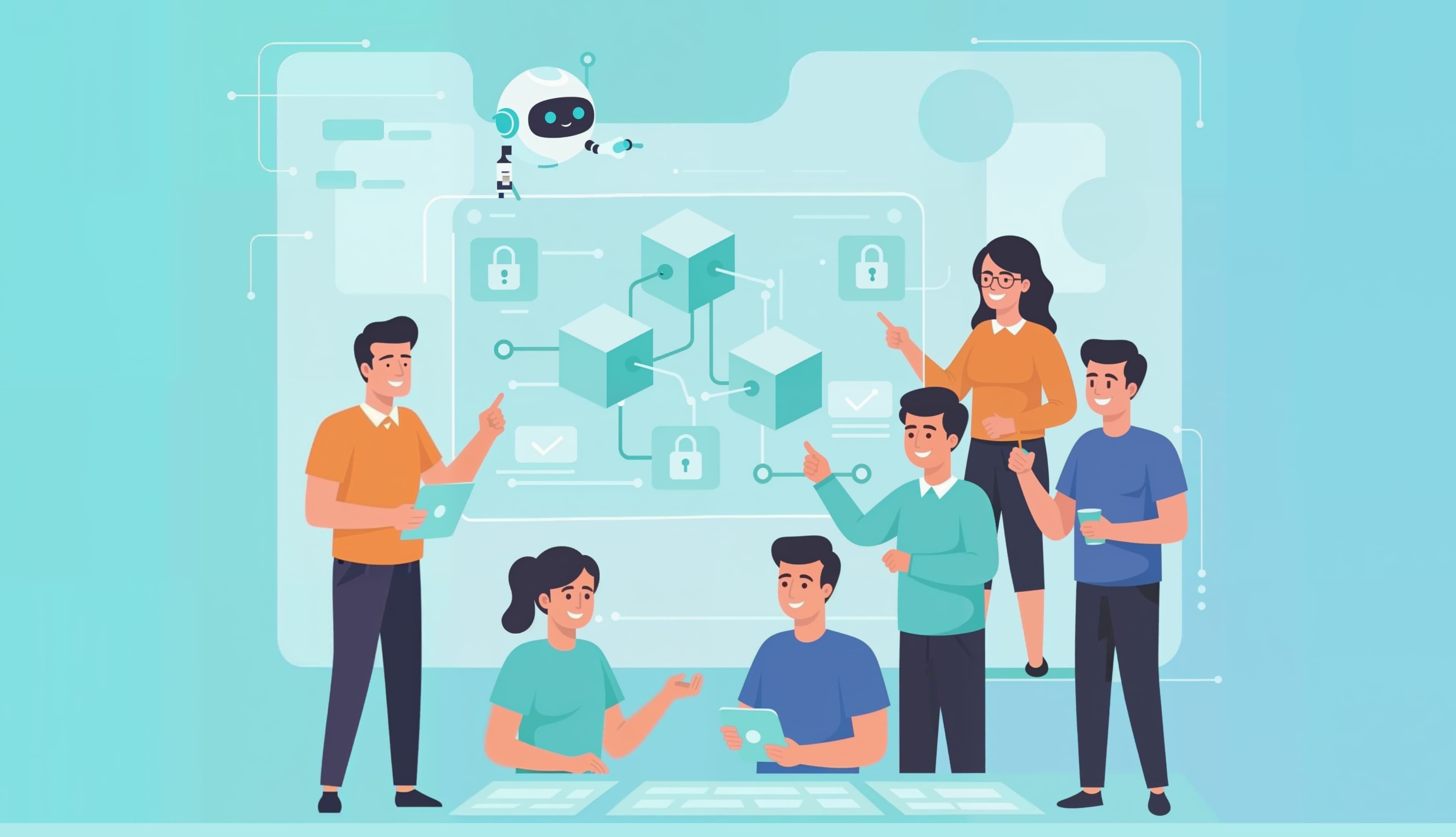
Tech conferences are more than showcases for new tools they are moments for architectural reflection. WINTICKET’s team participation at FlutterNinjas 2024 enabled them to analyze emerging Flutter practices, discuss current technical decisions, and evaluate possible architectural changes. The experience became a catalyst to improve productivity, accessibility, and the product’s technical evolution.



The technology ecosystem evolves continuously. Frameworks, tools, and architectural patterns change quickly, and staying current requires more than reading docs or following repos. Events like FlutterNinjas 2024 held in Odaiba (Japan) on June 13–14, 2024 gathered engineers worldwide interested in the Flutter ecosystem. For the WINTICKET app team, attending was not only about acquiring knowledge but also about collectively reflecting on their current architecture and identifying concrete improvement opportunities.
From an engineering perspective, these spaces play an important role: they connect external learning with internal technical decisions.
Development teams face a constant challenge: balancing stability with technological evolution. In active projects, introducing new tools or changing architectural patterns carries risk. However, ignoring ecosystem evolution can also create technical debt or lost efficiency. Collective learning venues like technical conferences allow teams to evaluate trends, validate current choices, and detect improvements before they turn into structural problems.
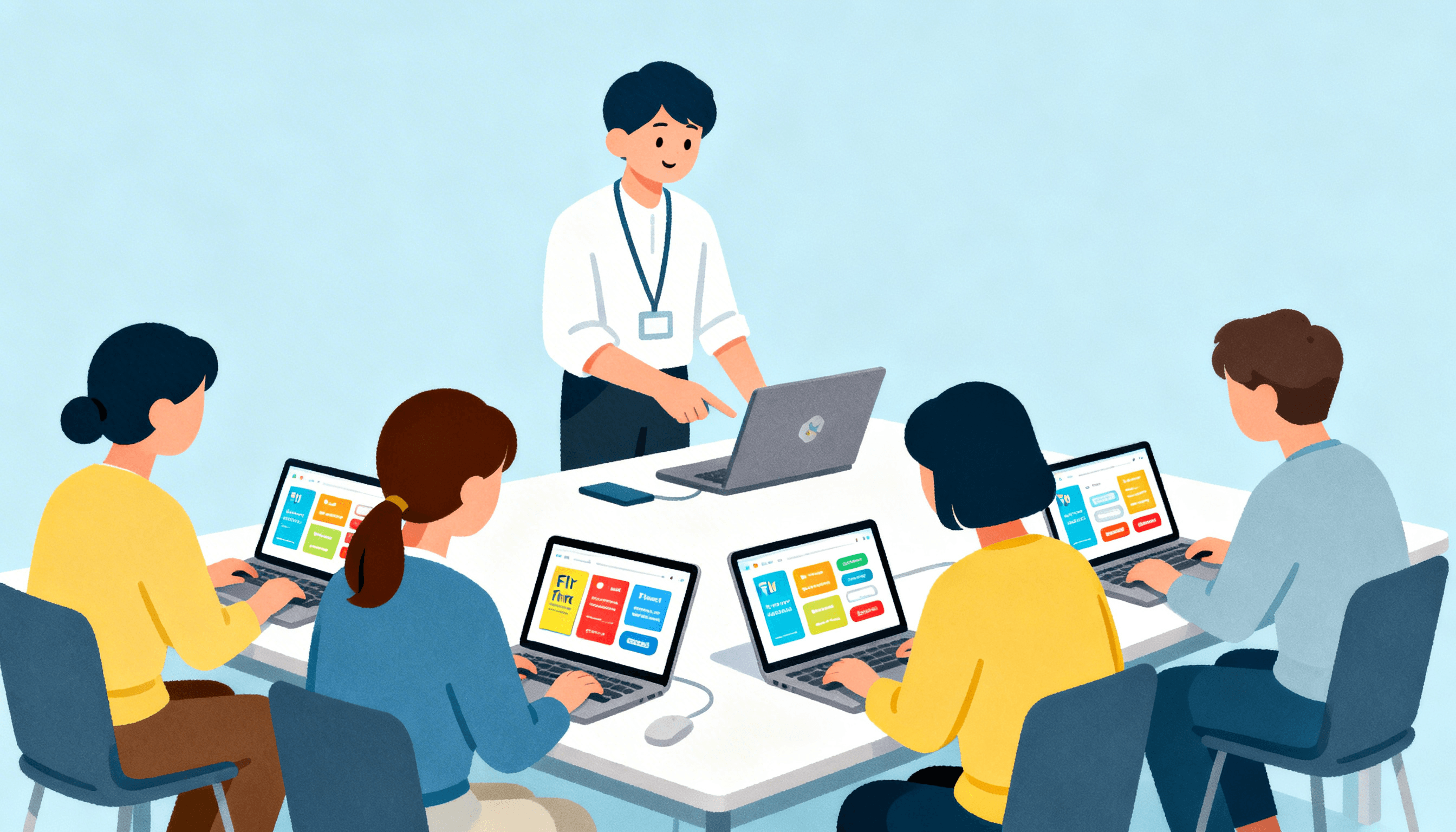
One of the event’s most valuable aspects was the team’s joint participation. Instead of attending individually, the team turned the conference into a collaborative learning space. During sessions, engineers shared reflections in real time via Slack, commenting on technical ideas and possible implications for WINTICKET. This immediate exchange connected conference concepts with existing project problems and decisions.
More than passively consuming content, the team used the conference as a laboratory for technical discussion.
These dynamics help quickly translate acquired knowledge into practical impact.
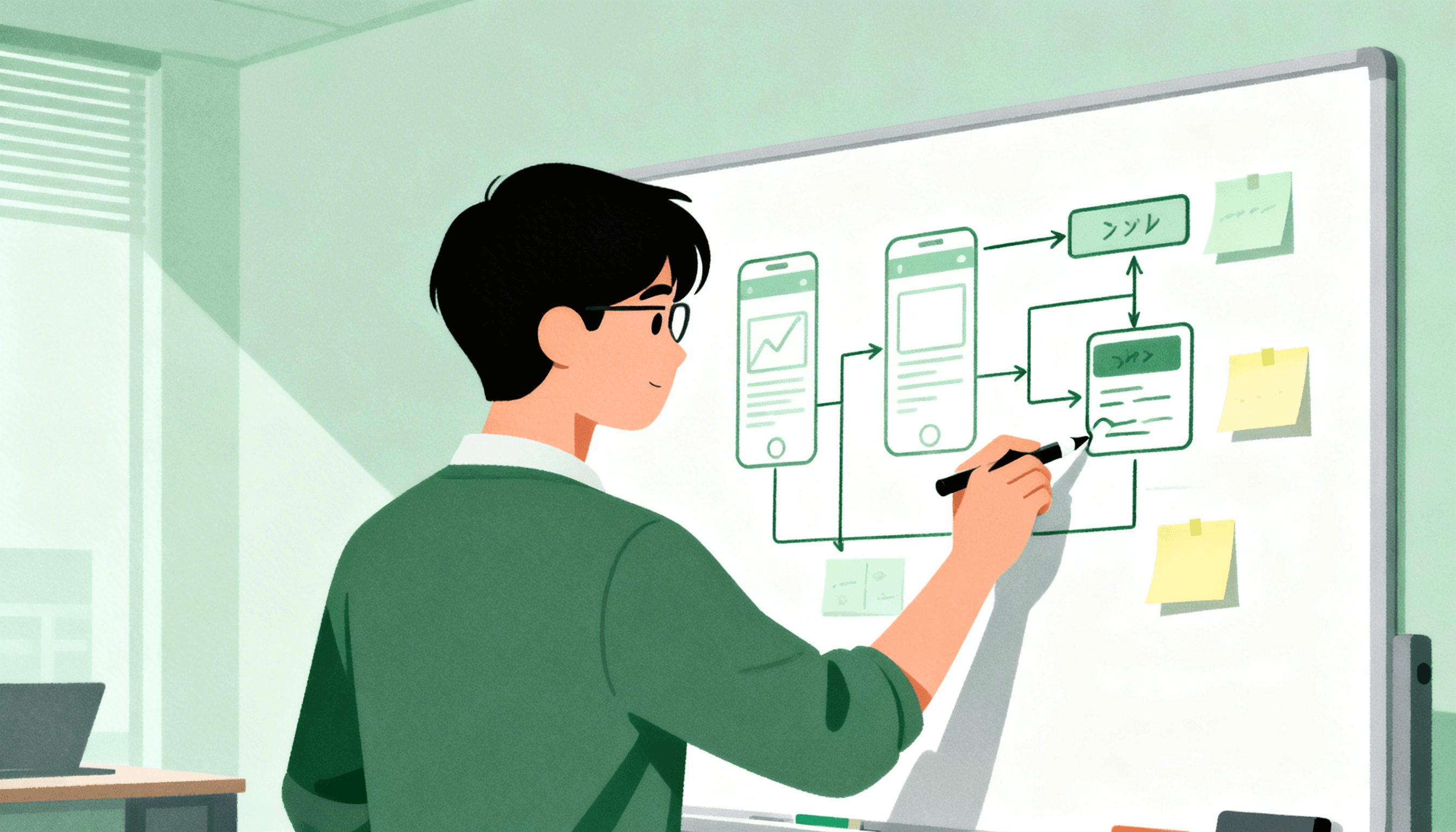
One session showcased flx, a TUI (terminal user interface) tool for Flutter designed to work directly from the terminal. Unlike traditional GUI tools, flx aims to provide a lighter, more efficient development experience especially for debugging and controlling the runtime environment. Built in Rust and integrated with Flutter ecosystem tooling, flx enables fast operations via keyboard shortcuts inspired by Vim-like editors.
For the team, tools like flx open the possibility of combining new work interfaces with existing tools such as Dart DevTools, expanding ways to analyze and debug applications.
One announcement that sparked extensive discussion was Remi Rousselet’s preliminary presentation of Riverpod 3.0. Riverpod is one of the most used state management libraries in Flutter, and the proposed changes require reconsidering some widely adopted practices in current projects.
Beyond technical details, the discussion led the team to a deeper reflection: it’s not only about changing tools but understanding which parts of state belong in which layer. Tech updates act as reminders that architecture must evolve alongside the ecosystem.
Turn conference attendance into structured, collective learning sessions within the team. Evaluate new Flutter ecosystem tools to improve developer productivity. Periodically review architecture when major updates occur in key libraries. Integrate accessibility into design from early development stages. Translate conference learnings into concrete experiments inside the project.
Technology conferences may seem like isolated events, but their real impact depends on how teams integrate that knowledge into daily practice. Participation in FlutterNinjas 2024 allowed WINTICKET’s team not only to discover new Flutter tools but also to reflect on their architecture, explore productivity improvements, and broaden their technical perspective. More than a single learning moment, the event became a starting point to continue evolving product development with a more informed and collaborative approach.