In this article we share the most relevant lessons from FlutterNinjas Tokyo 2025: from how to keep Flutter codebases healthy as they grow, to a better understanding of Dart’s runtime, memory management, and designing more predictable applications. Beyond tools, the event reinforced a key idea: writing good software isn’t just a matter of frameworks, but of judgement, discipline, and long-term vision.


At Meetlabs we believe technical events are valuable not only for the new announcements they bring, but for the ideas they reinforce about building software sustainably. FlutterNinjas Tokyo 2025 was a great example: rather than announcing sweeping changes, it focused on how to keep control as an app and its codebase start to grow.
The sessions tackled very real problems: accumulated complexity, performance degradation, increasing memory usage, and design choices that seem small today but become technical debt tomorrow.

As a Flutter application evolves, teams commonly see familiar symptoms:
The event started from a clear premise: these problems are not exceptions, they are natural consequences of growth and therefore should be addressed through design and tooling, not only when they become critical.
One of the most powerful ideas was treating the codebase as a living system that needs continuous maintenance. Tools like DCM help detect dead code, overly complex widgets, and unnecessary assets before they become major problems.
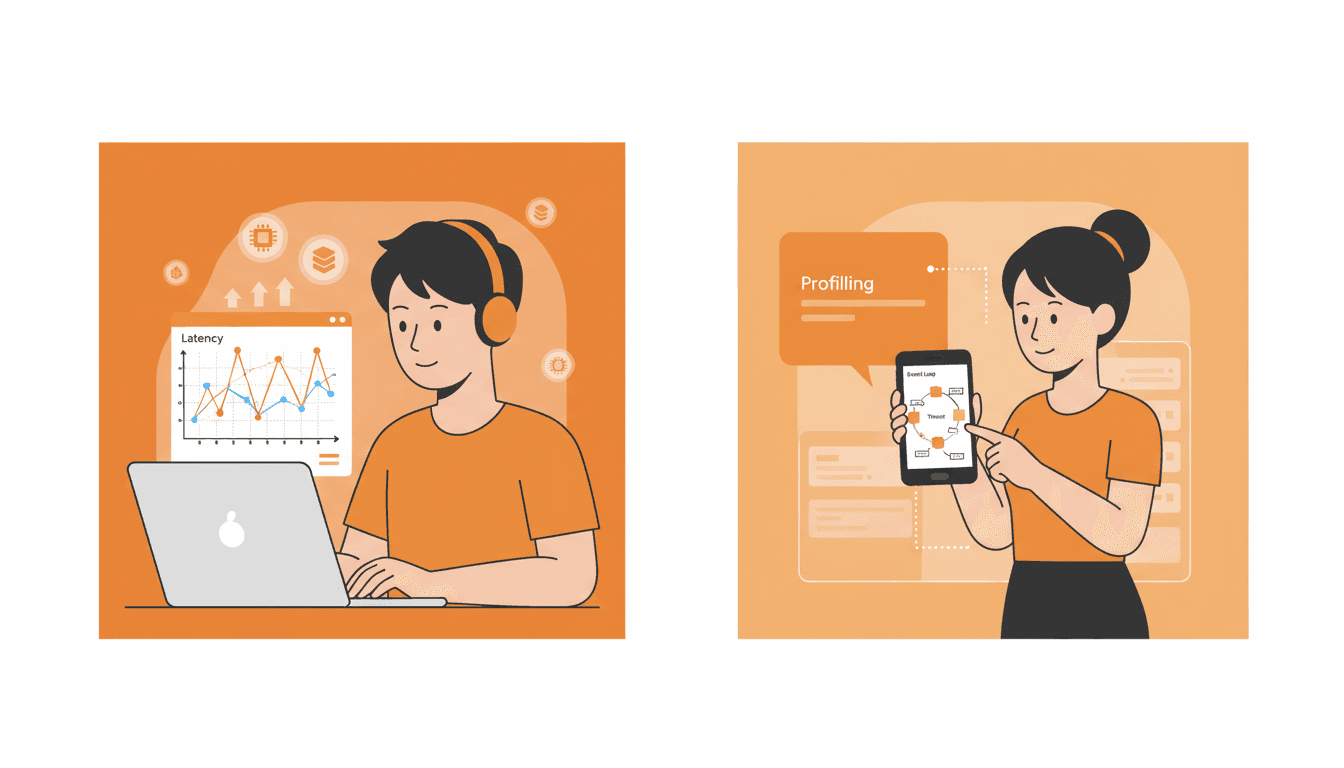
Reducing structural complexity not only improves code quality, it frees the team’s time. Less technical friction means more room to iterate on real features.
The sessions made clear that architecture does not end at widgets or the UI. How code is compiled, executed, and optimized directly impacts user experience and the maintainability of the system.
Choosing how an application is executed can feel like a technical detail, but at scale it separates an agile product from a slow or fragile one. Integrating these considerations at design time helps avoid costly fixes later.


FlutterNinjas Tokyo 2025 reinforces a central idea: building robust applications depends not only on learning new tools, but on developing technical judgment. Understanding how code runs, how memory is managed, and how to avoid unnecessary complexity enables the creation of systems that grow without becoming fragile.
At Meetlabs, these lessons are key to designing products that not only work today, but remain maintainable and reliable over time.