Moving API contract management from Git submodules to a centralized Proto repository was more than a technical refactor. It was an architectural shift that improved velocity, coherence, and scalability. The migration introduced semantic versioning, reduced operational friction, and forced a robust strategy for handling private Go modules in local, CI, and Docker environments—demonstrating that access infrastructure is as critical as code itself.


Systems don’t fail because there isn’t enough code; they fail because there isn’t enough coherence. That incoherence usually appears in the contracts that connect everything: the APIs. For a long time, .proto files were treated as just another backend detail, while the frontend consumed them via Git submodules. In theory that worked. In practice it added friction, unnecessary coupling, and constant cross-team dependencies. The issue wasn’t gRPC or Protocol Buffers.
Moving to a centralized proto repository wasn’t just a structural change. It redefined how we version, distribute, and govern system contracts. During that process another critical problem emerged: how to make private Go modules work consistently across all environments.
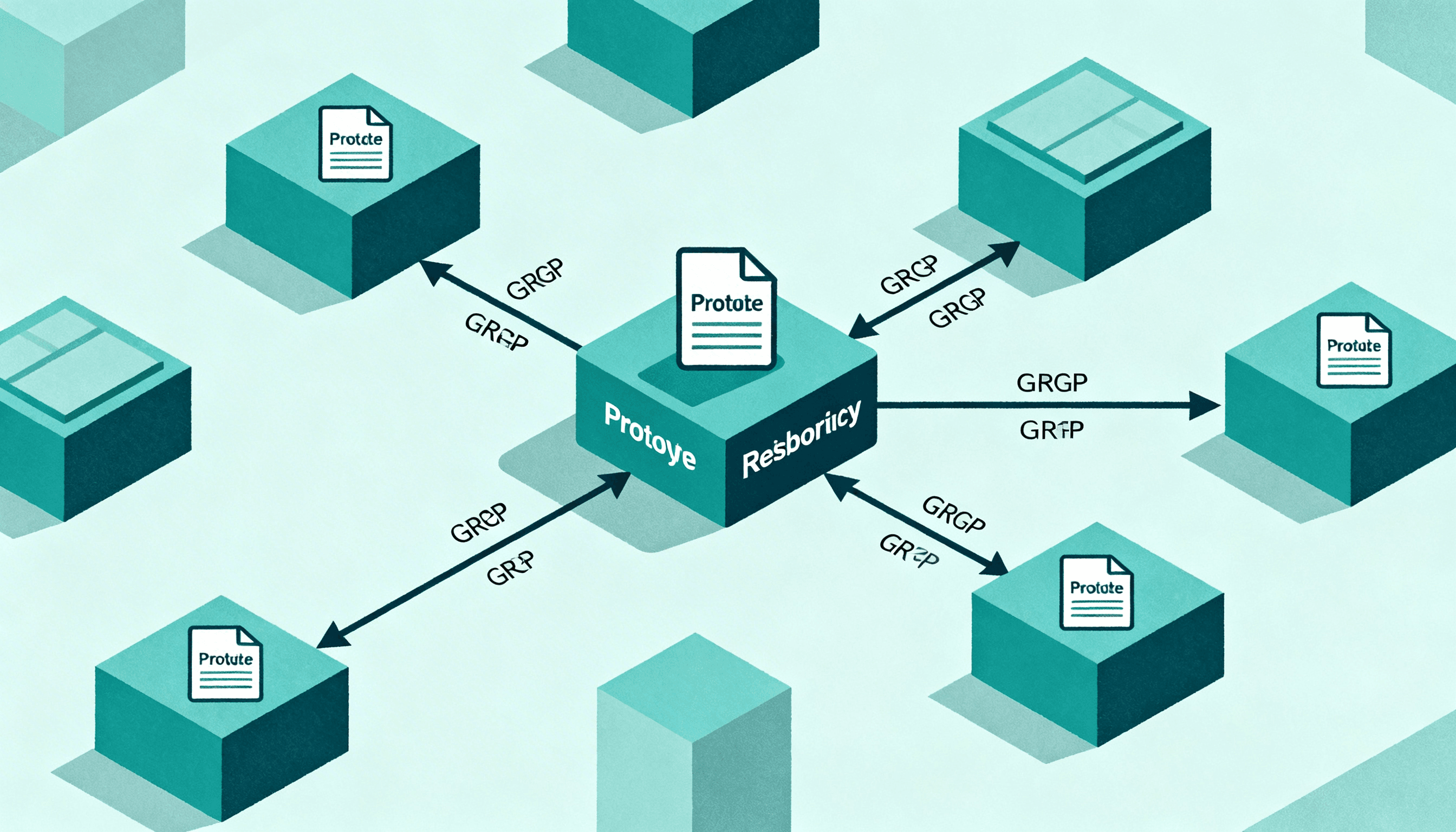
Using Git submodules worked while the system was small. As services and teams grew, clear symptoms appeared:
The system and the organization was not designed to scale.
An API contract is not a file: it’s a product. Like any product, it needs explicit versioning, controlled distribution, and clear consumption rules. Centralizing proto files in a dedicated repository turns the contract into a single source of truth, decoupled from any particular implementation. This enables scaling of both the system and the organization.
Git submodules don’t fail by themselves. They fail when used to solve a governance problem. In our case, we treated a distributed system like a single repository.
The problem was systemic—design and governance rather than purely technical.
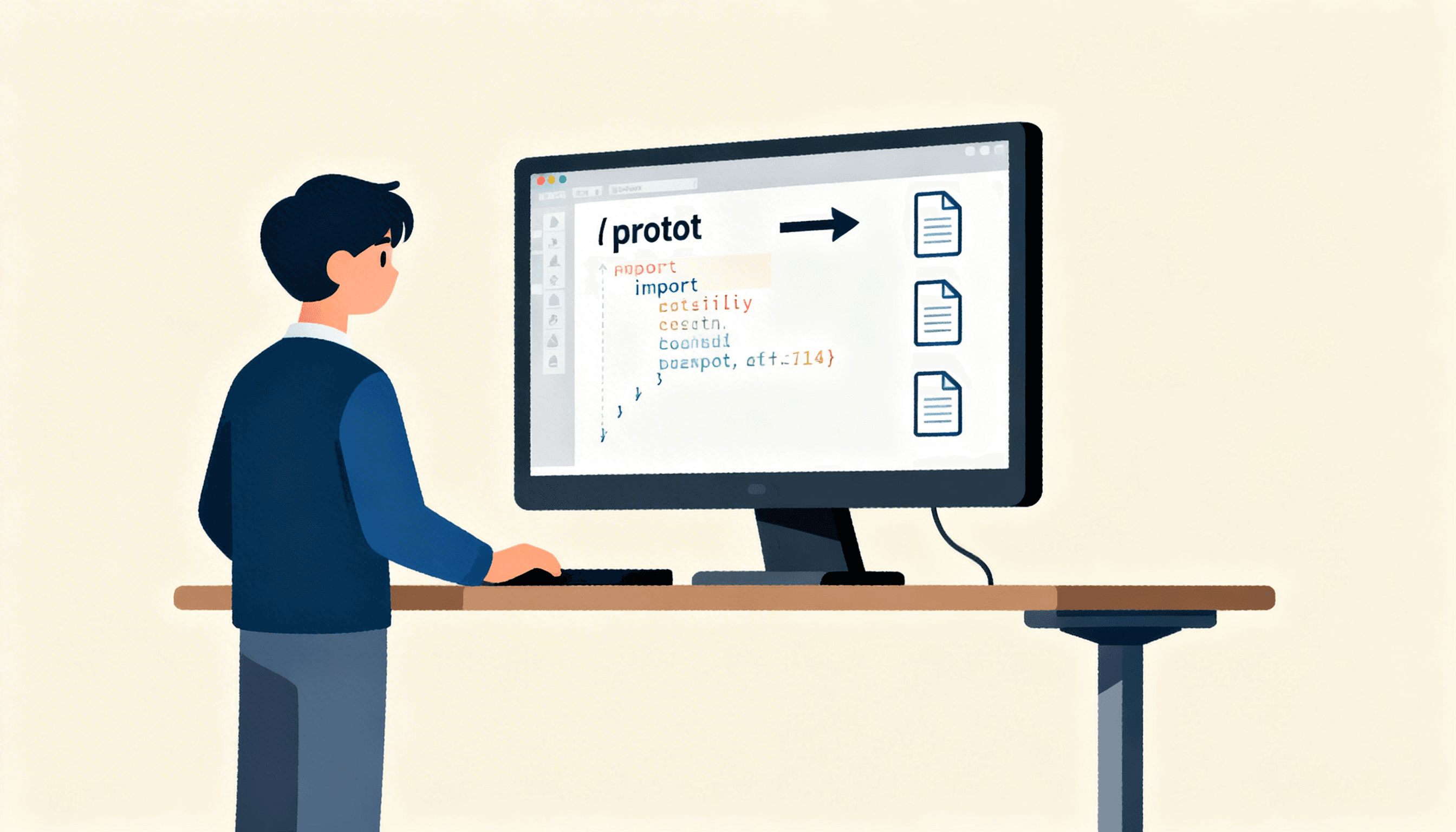
A standalone proto repository does more than organize files: it redefines the contract’s role. The contract stops being an internal artifact and becomes a central piece of architecture.
This changes the API from a dependency into a platform
Automating code generation and publishing was not merely an optimization it was essential to keeping the system consistent without relying on manual discipline.
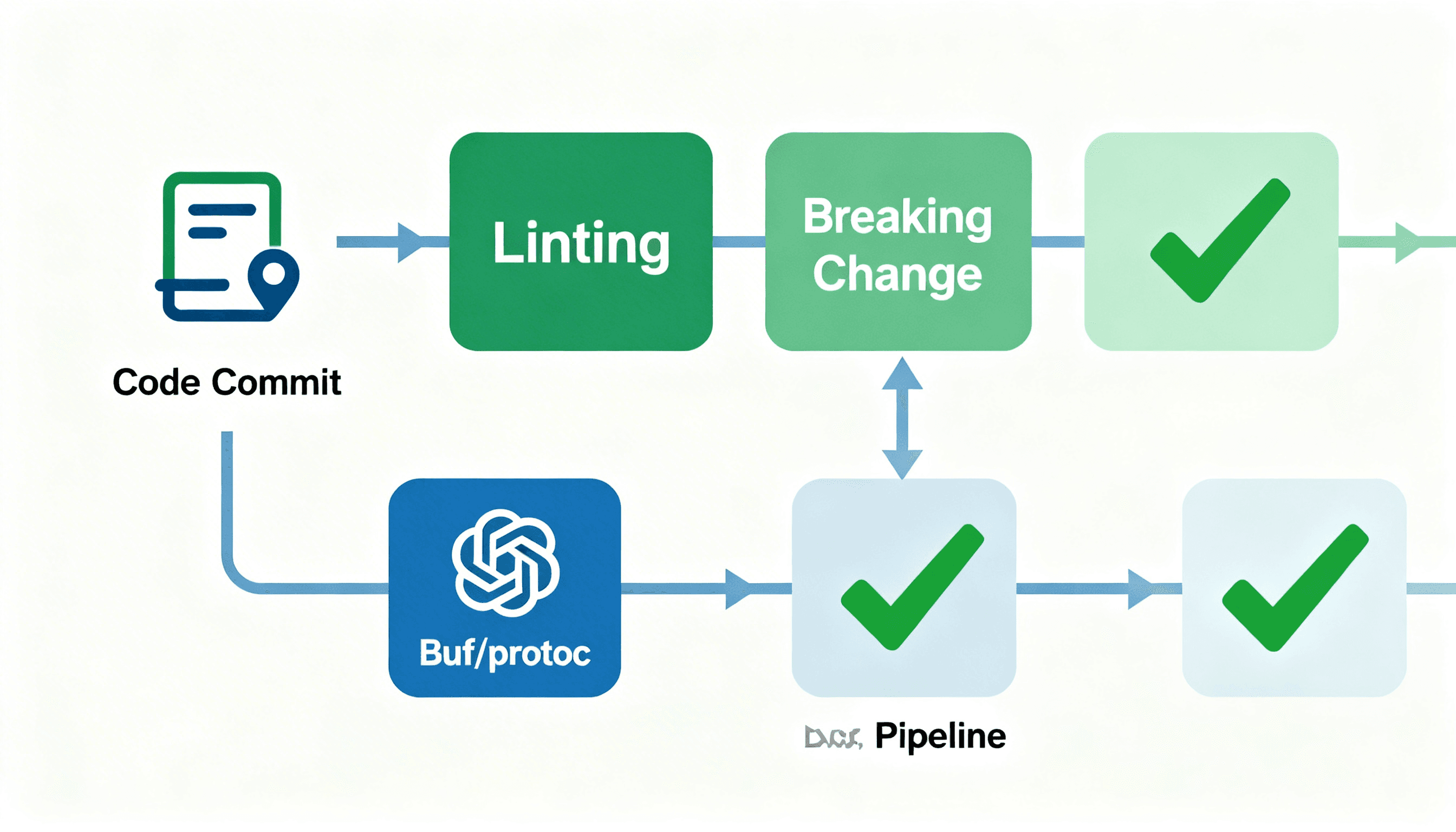
The biggest challenge was not generating code; it was making that code accessible consistently and securely in all environments. Here architecture intersects permission management.

Migrating to a centralized proto repository is more than a technical improvement: it’s an organizational architecture decision. It decouples teams, makes change intent explicit, and builds a more predictable system. The key lesson wasn’t about gRPC or Protocol Buffers; it was understanding that contracts are the system’s most sensitive point. If contracts aren’t well defined, versioned, and distributed, everything else becomes fragile. Scaling a system isn’t about writing more code it’s about designing better boundaries.