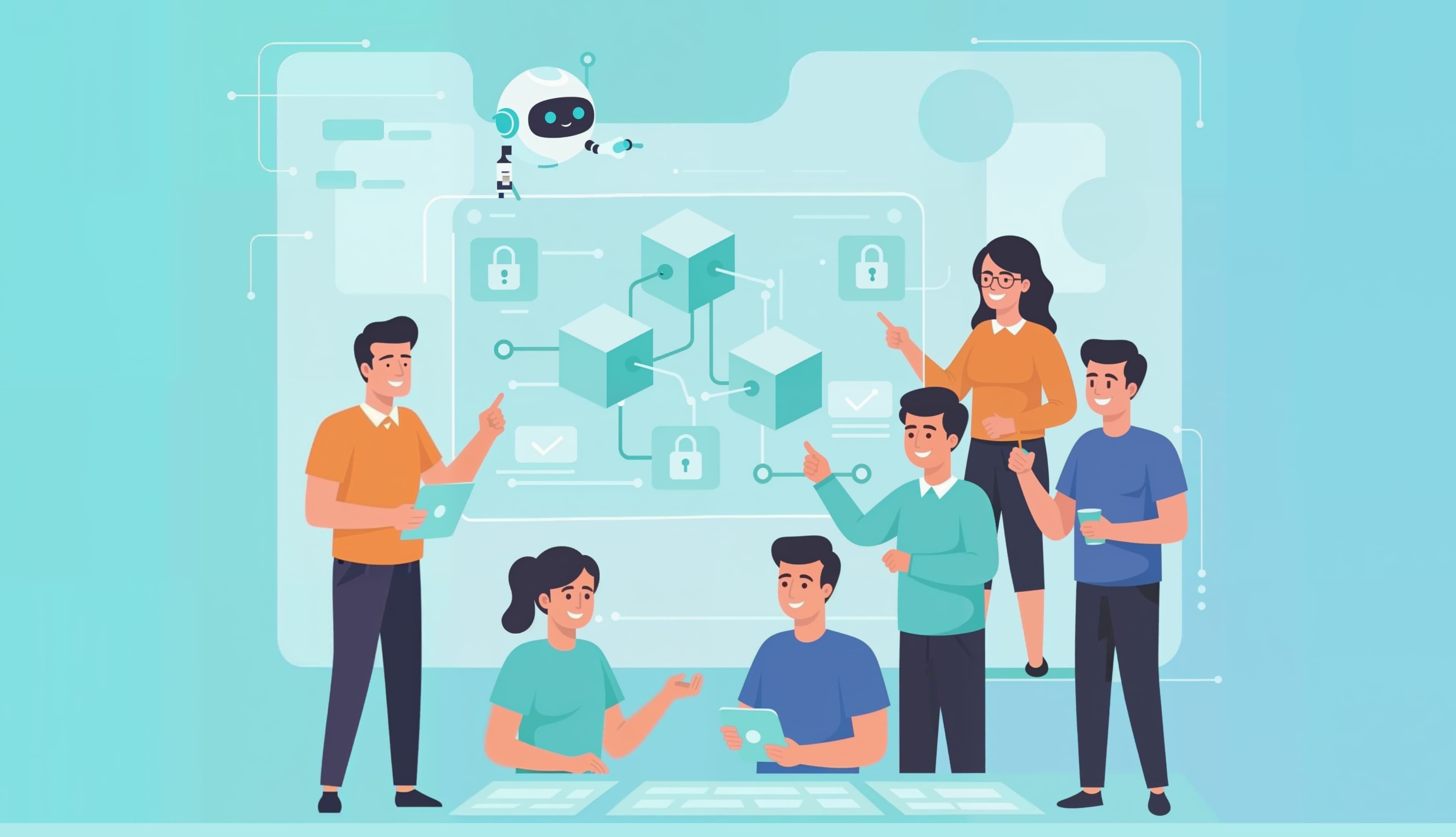
An internship is not just technical practice it is a mental transition. Experience on a global team working on an open-source project shows that real growth comes not only from coding more, but from designing better, thinking in systems, and developing judgment. This is the story of how mentorship, exposure to high engineering standards, and a continuous learning culture transform a developer into a product-minded professional.
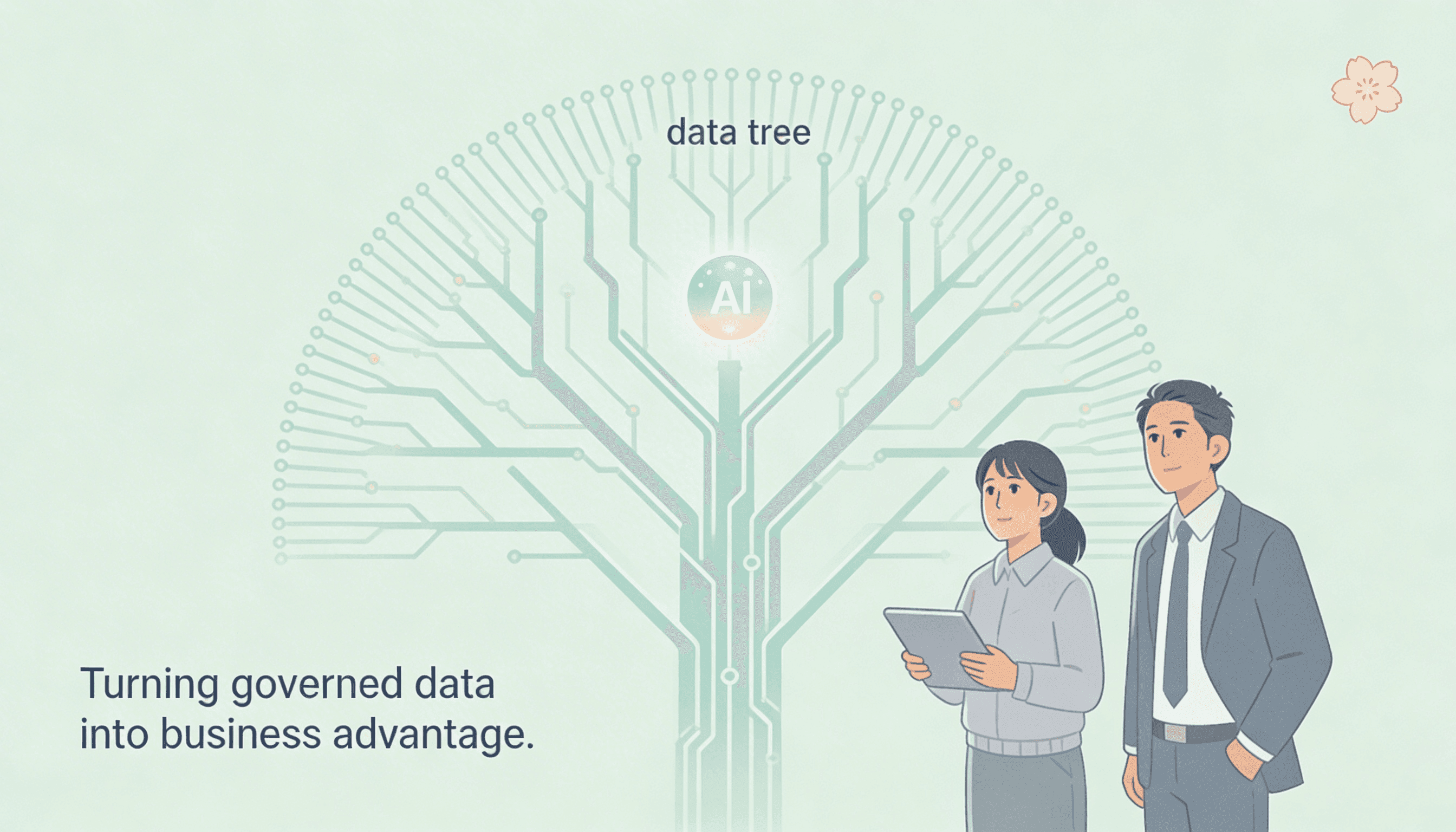


In technology, the difference between running code and building real solutions lies in mindset. An intern experience at CyberAgent’s Hanoi DevCenter, working on the open-source project Bucketeer, reveals a key insight: professional growth happens when exposure to complex systems, a feedback-driven culture, and structural thinking come together. It’s not just about learning Golang or backend development it’s about learning to think like an engineer.
Working on Bucketeer, a feature-flag management platform, meant engaging with high-quality code standards, structured processes, and advanced practices such as:
Open source forces you to think about clarity, maintainability, and collaboration. It’s not enough that something works; others must be able to understand it, improve it, and scale it.
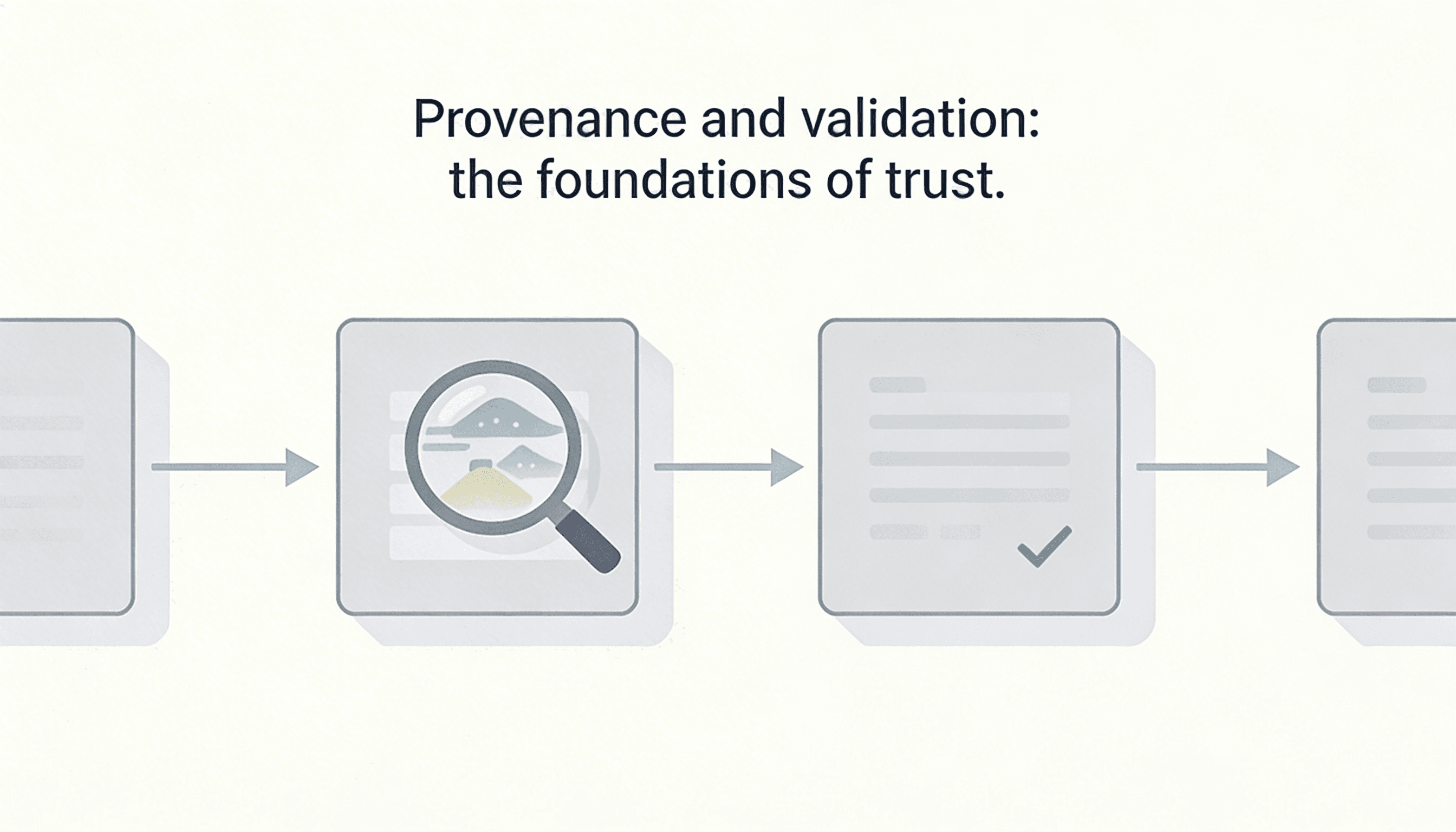
One of the biggest lessons came from an issue in the system’s audit log, the challenge wasn’t merely fixing a bug; it was understanding how data flowed across services (API gateway, internal tokens, Go context, gRPC). The fix required redesigning the flow to correctly preserve the editor’s identity in audit records.
Key takeaway:
Constant questions of “why?” and “what if…?” cultivate a product mindset. This kind of interrogation transforms a programmer into someone who:
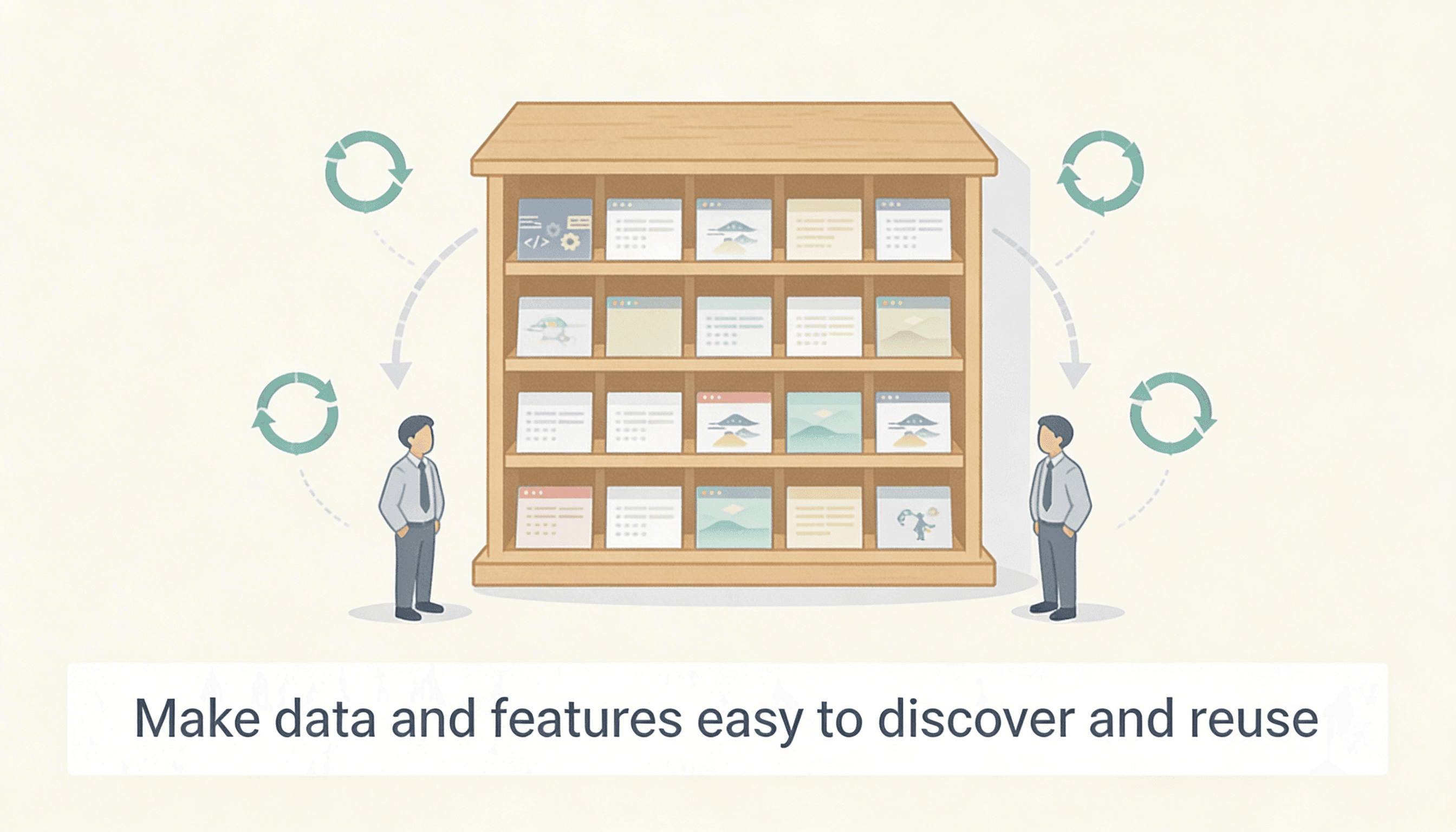
Simplicity is not the absence of complexity it is a deep understanding of the system.
The experience wasn’t purely technical. A collaborative environment, technical study sessions (for example, Go channels or advanced database topics), and opportunities to present API design strengthened:
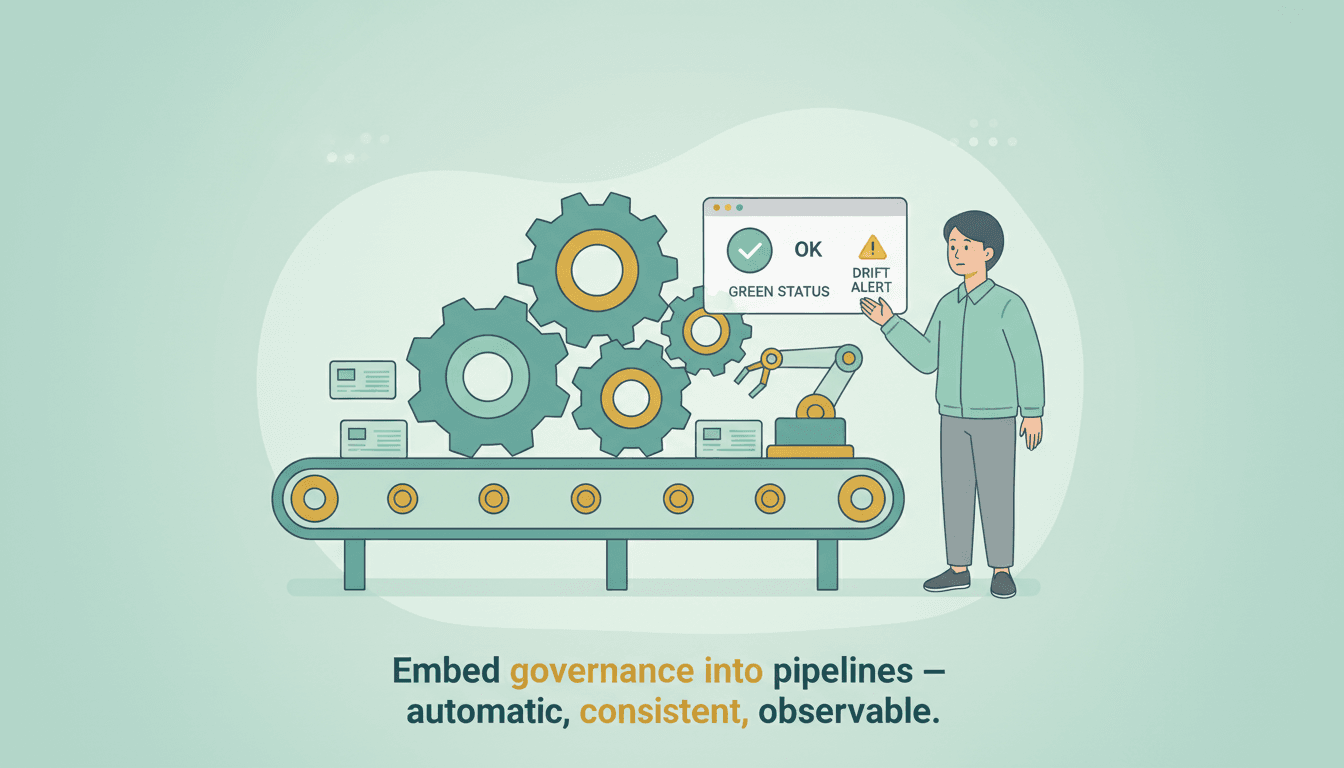
True professional transformation doesn’t happen by writing more lines of code; it happens by understanding systems better. A well-designed internship can be a turning point: shifting you from executing tasks to designing solutions; from fixing bugs to understanding architecture; from junior programmer to engineer with judgment. In a market where technological complexity grows daily, structural thinking is the real competitive advantage.