Many organizations assume serverless simply means deploying functions and relying on automatic scaling. However, using AWS Lambda without a clear architectural vision often leads to greater complexity, poor traceability, and accumulating technical debt. This article explains how to turn the Lambda pipeline into a strategic decision that strengthens the team’s operational maturity.



Amazon Web Services popularized the serverless paradigm as a way to accelerate development and reduce operational friction. Within this model, AWS Lambda became one of the most adopted tools to run code on demand without managing servers but the real challenge isn't writing functions. The challenge is how those functions are designed, deployed, monitored, and governed within the organization's ecosystem.
A manual deployment may work at the beginning, but it doesn't scale. A well-designed pipeline turns every change into a reproducible, versioned, and auditable process. This is where tools like AWS CodePipeline help standardize the flow from commit to production.
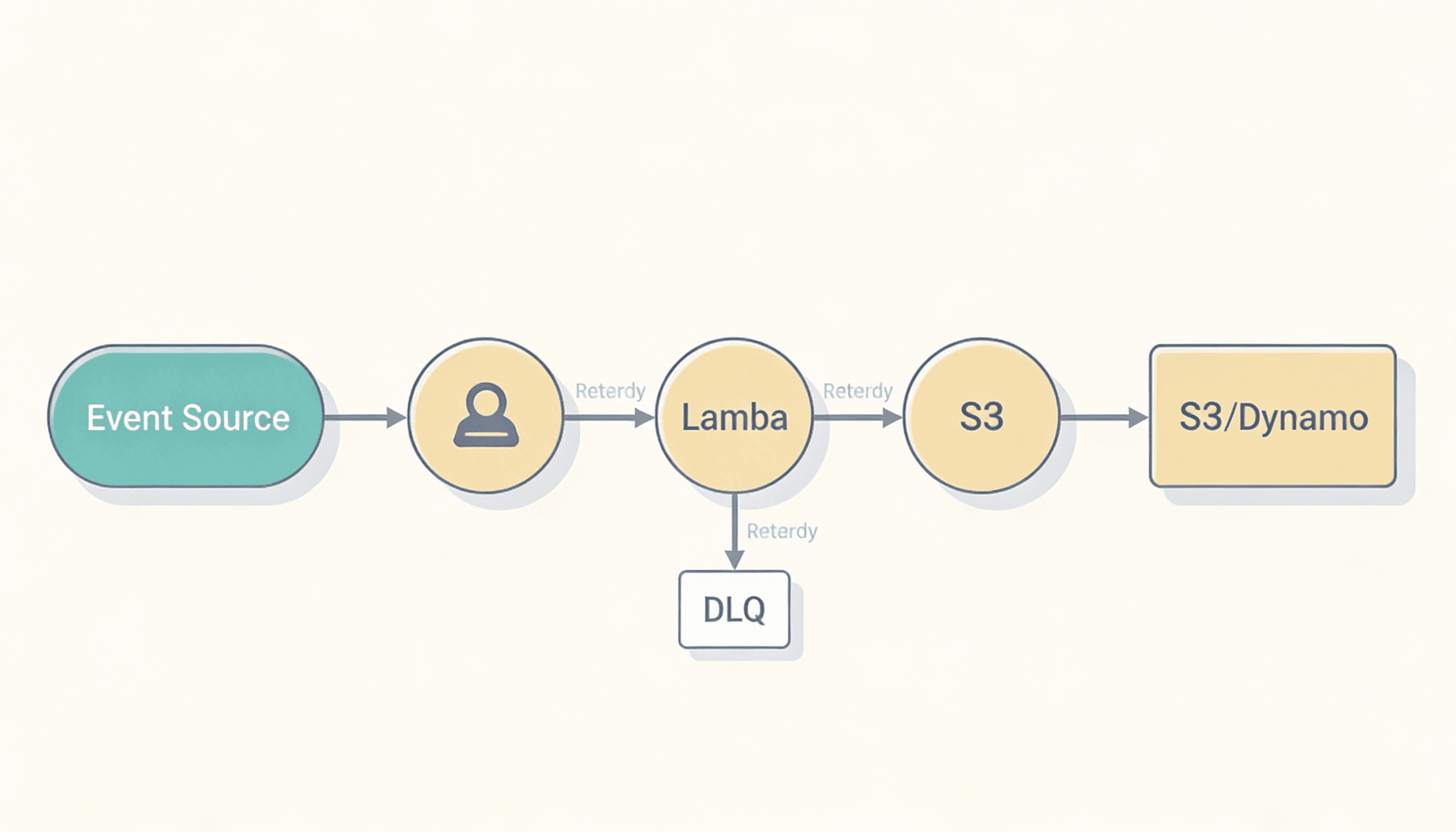
When the pipeline is well structured:
Architecture not only organizes code; it organizes decision-making.
Without monitoring, there is no real control.
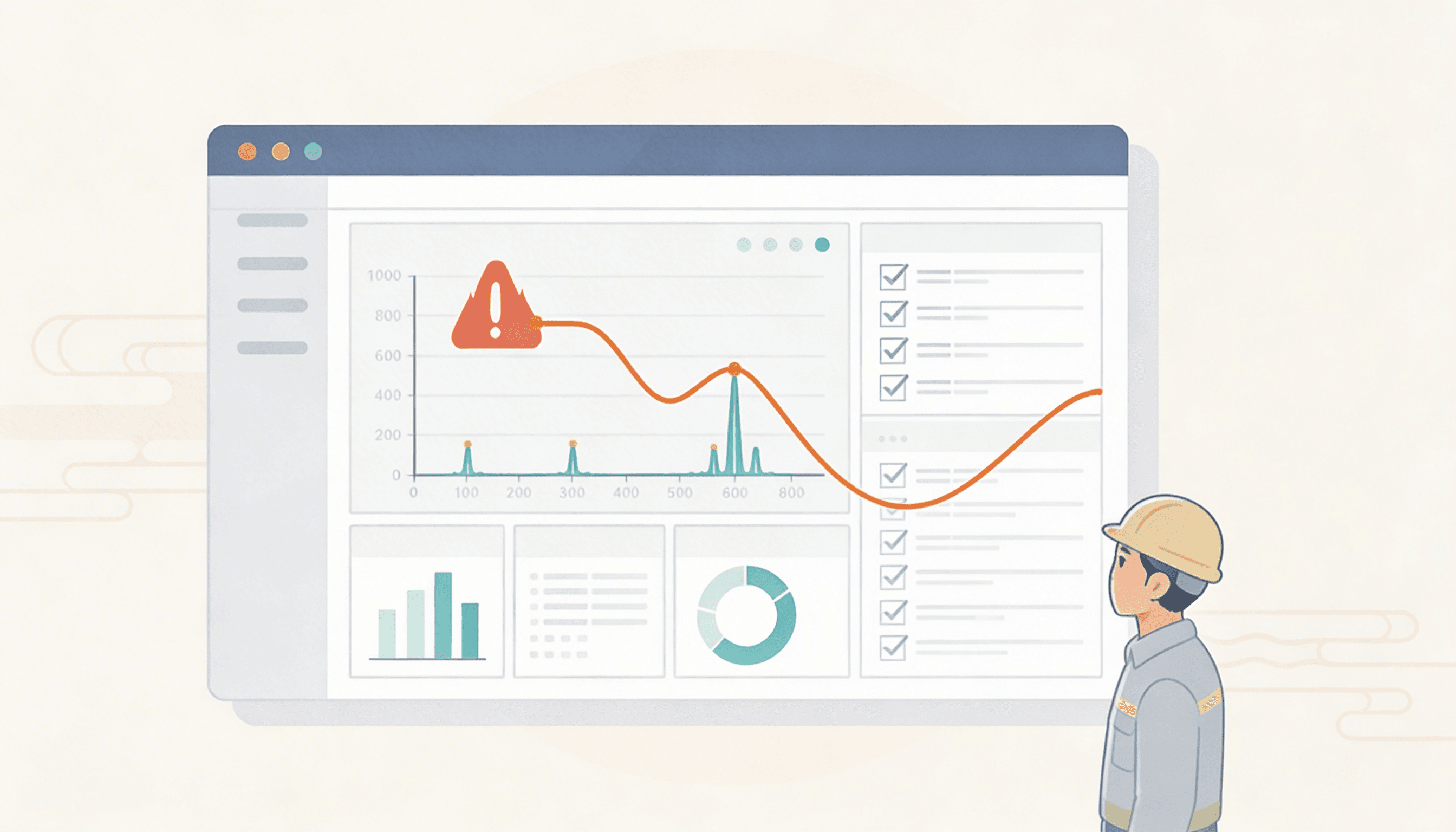
Operational maturity is measured by the ability to anticipate, not just react.
When a team grows, the pipeline becomes the cultural standard:
Without architecture, growth creates chaos. With architecture, growth strengthens the system.
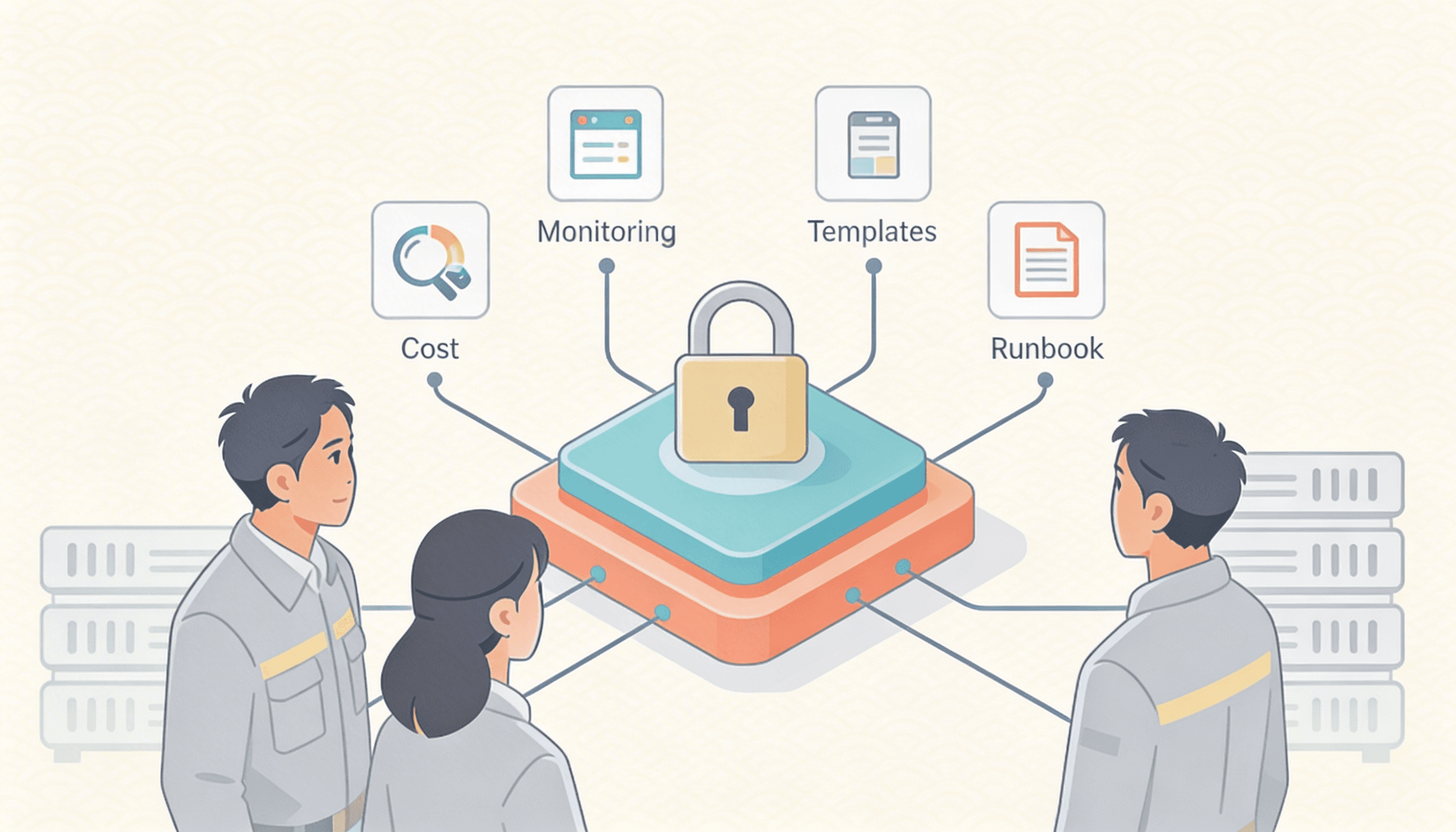
Working with Lambda is not simply writing functions that scale. It is about building an invisible operating system that defines how the team makes decisions, manages risk, and sustains growth. When the pipeline is understood as architecture rather than mere technical automation, the organization stops reacting to incidents and begins operating with strategic control.