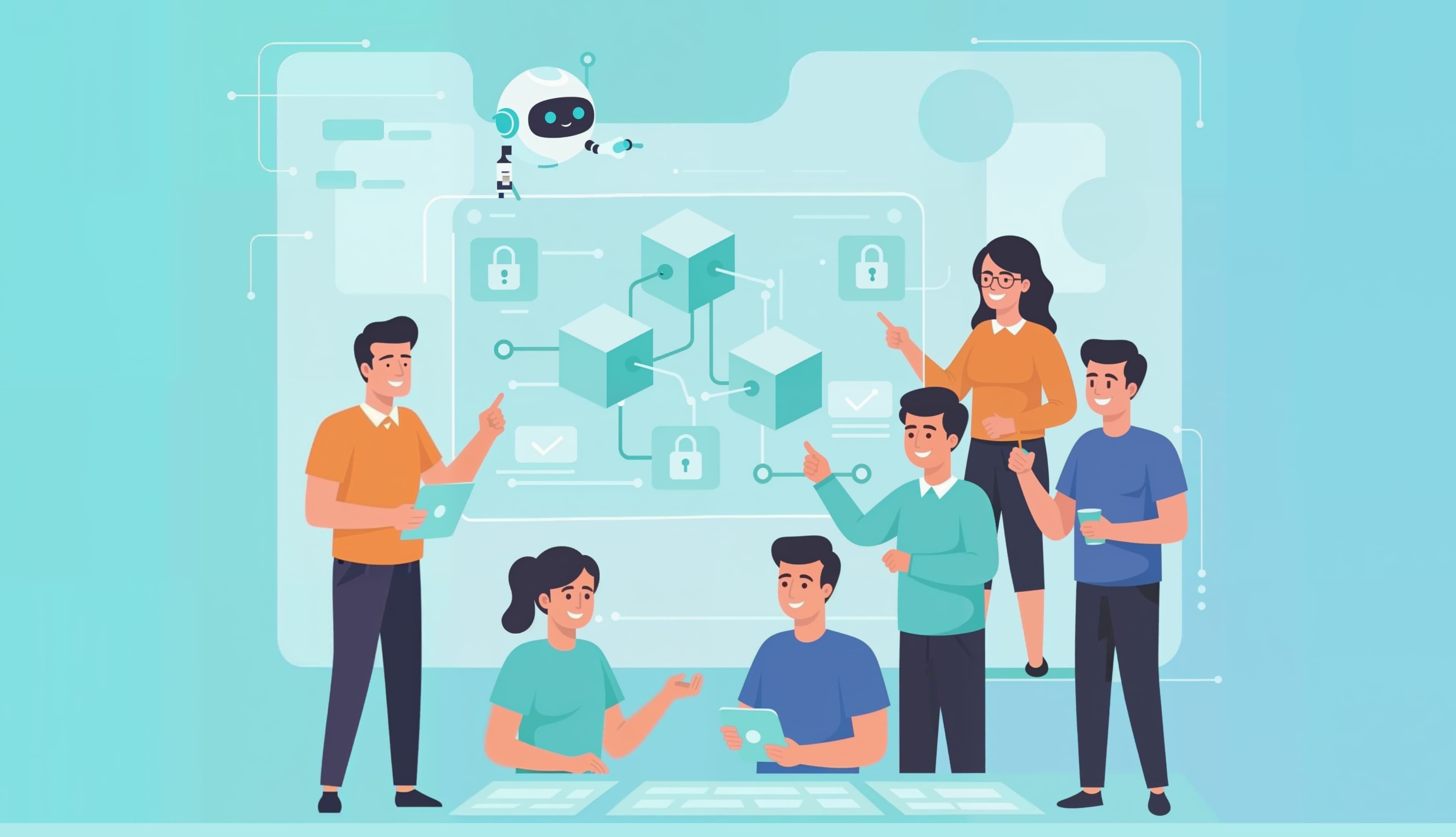
In many teams, Machine Learning is still treated as a technical experiment. A model is trained, validated, the accuracy is celebrated and then the real problem begins: getting it into production without friction. Automating CI/CD for ML is not an operational luxury. It's an architectural decision that affects speed, reliability, and competitive advantage.
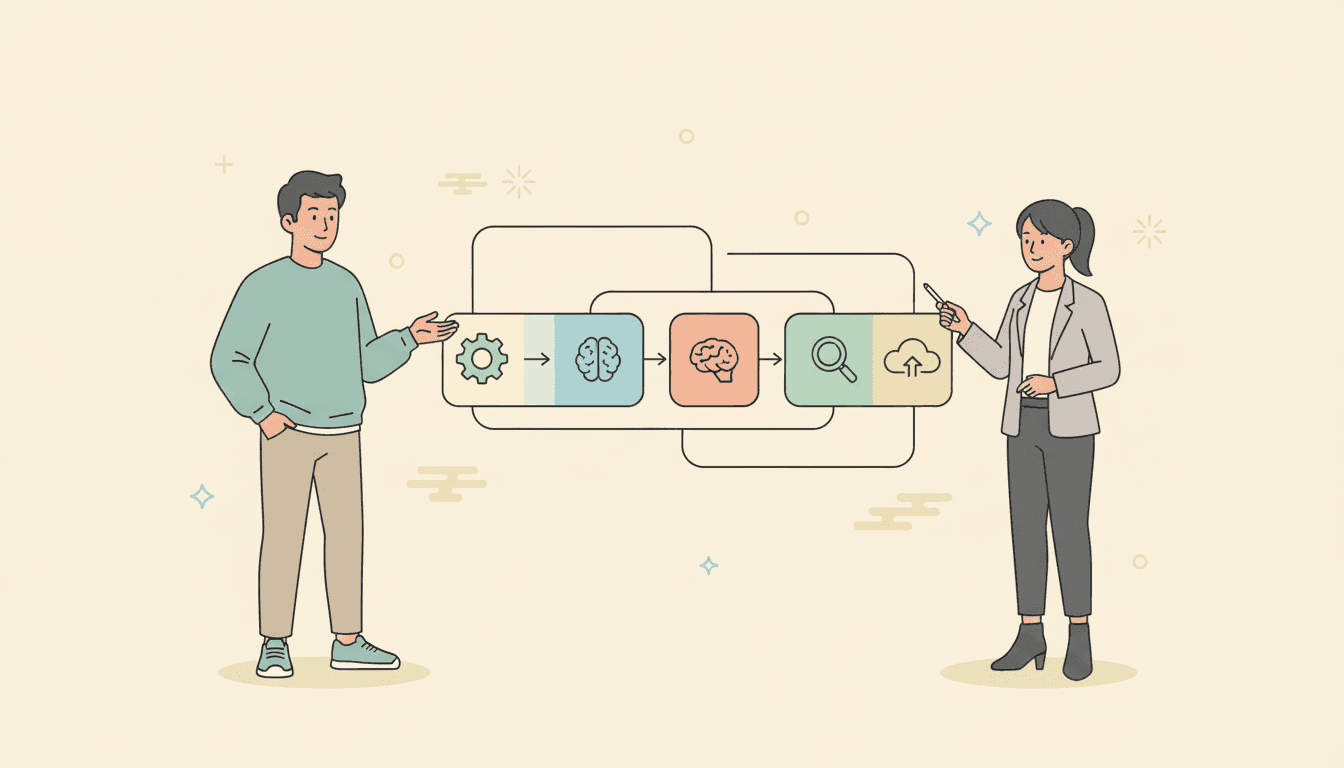


When an organization incorporates Machine Learning into its product, the conversation usually focuses on models and metrics: accuracy, recall, optimization. Technical improvements are celebrated, but a key question is rarely asked from the start: how will that model reach production consistently, repeatably, and safely? Training a good model in a controlled environment is only part of the problem; turning it into an operational business capability is another story.
Automation stops being a mere technical improvement and becomes architecture. Designing CI/CD for ML that integrates tools like GitHub Actions, ECS, or Amazon SageMaker is defining how the organization will deploy and evolve models without relying on manual processes or ad hoc solutions.
Without automation, the typical cycle looks like this:
This approach creates three clear frictions:
Most critical of all: the model stops being a dynamic asset and becomes a bottleneck.
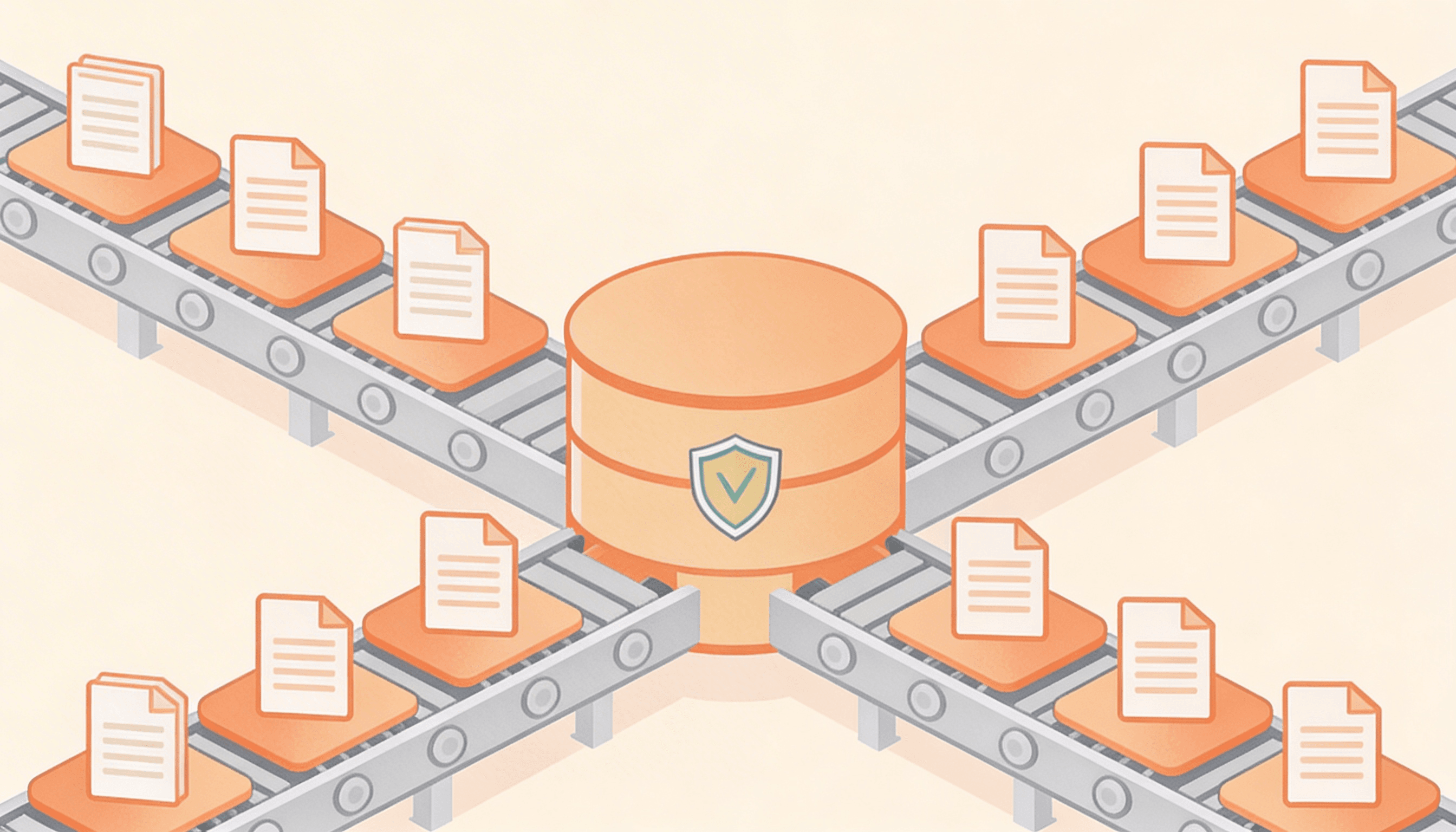
When every commit triggers the build of a Docker image and it is published to ECR, the model stops being implicit and becomes a controlled, versioned, auditable artifact. That changes the conversation: we no longer talk about “the latest version on my laptop,” but about a reproducible version available in any environment.
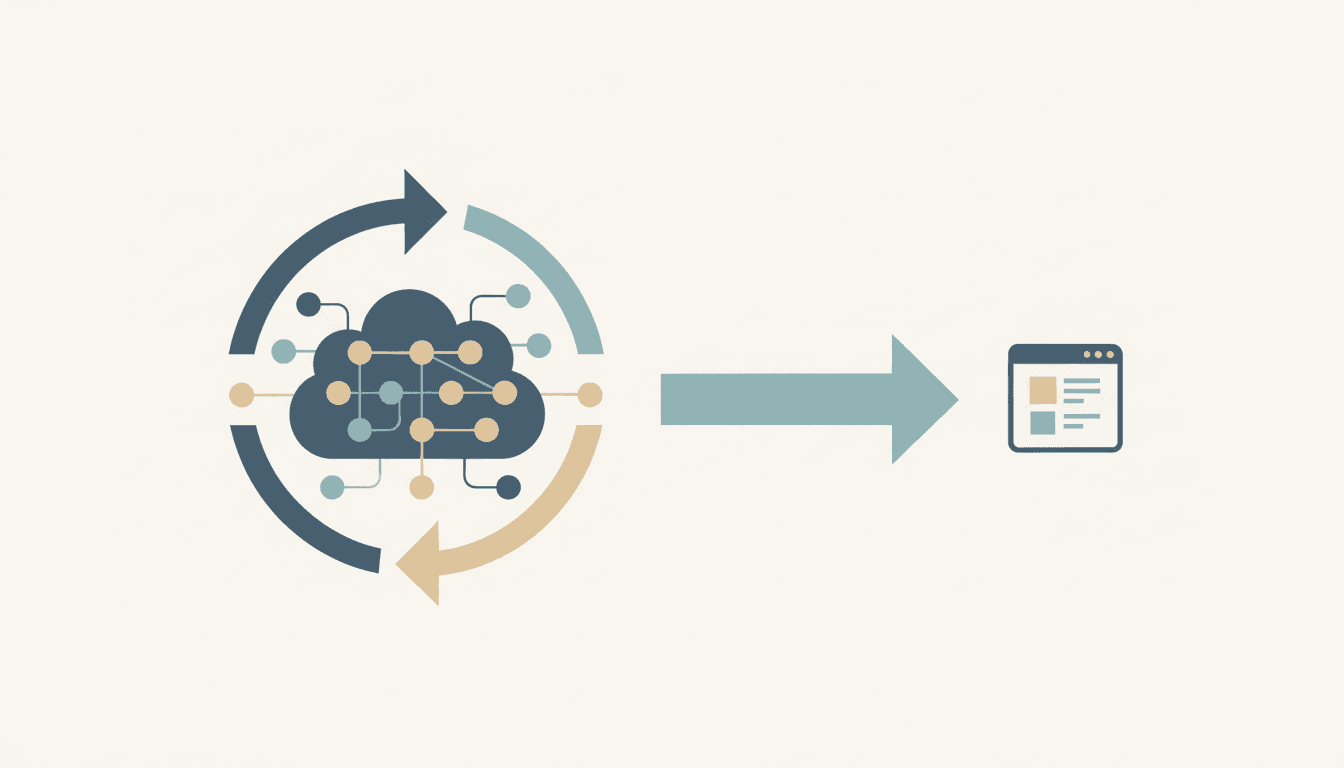
Each concern has a clear home:
Each component plays a defined role. This separation prevents teams from mixing business logic with infrastructure and at scale, that distinction matters.
On the contrary: when GitHub Actions builds and promotes new versions automatically, the process becomes more predictable than any manual checklist. Well-designed automation reduces uncertainty, and in ML systems, uncertainty is the silent enemy.
An automated pipeline enables you to:
It’s not merely a technical improvement. It’s a strategic decision about how the organization learns and evolves its models.

Automating models is not an operational optimization it’s an architectural decision. In environments where models influence real decisions, the difference isn’t who can train the best model, but who can deploy the best. When CI/CD is well designed, Machine Learning stops being a technical experiment and becomes an organizational capability and that is the true competitive advantage.