How to upgrade MySQL in a high‑traffic hybrid environment without interrupting business
Upgrading a database that handles hundreds of thousands of requests per second is not only a technical challenge — it is a direct business risk. This article explains how the MySQL upgrade was executed in a hybrid architecture (AWS Aurora MySQL + Cycloud) using Blue/Green Deployment, controlled replication, and progressive performance testing to ensure operational continuity.
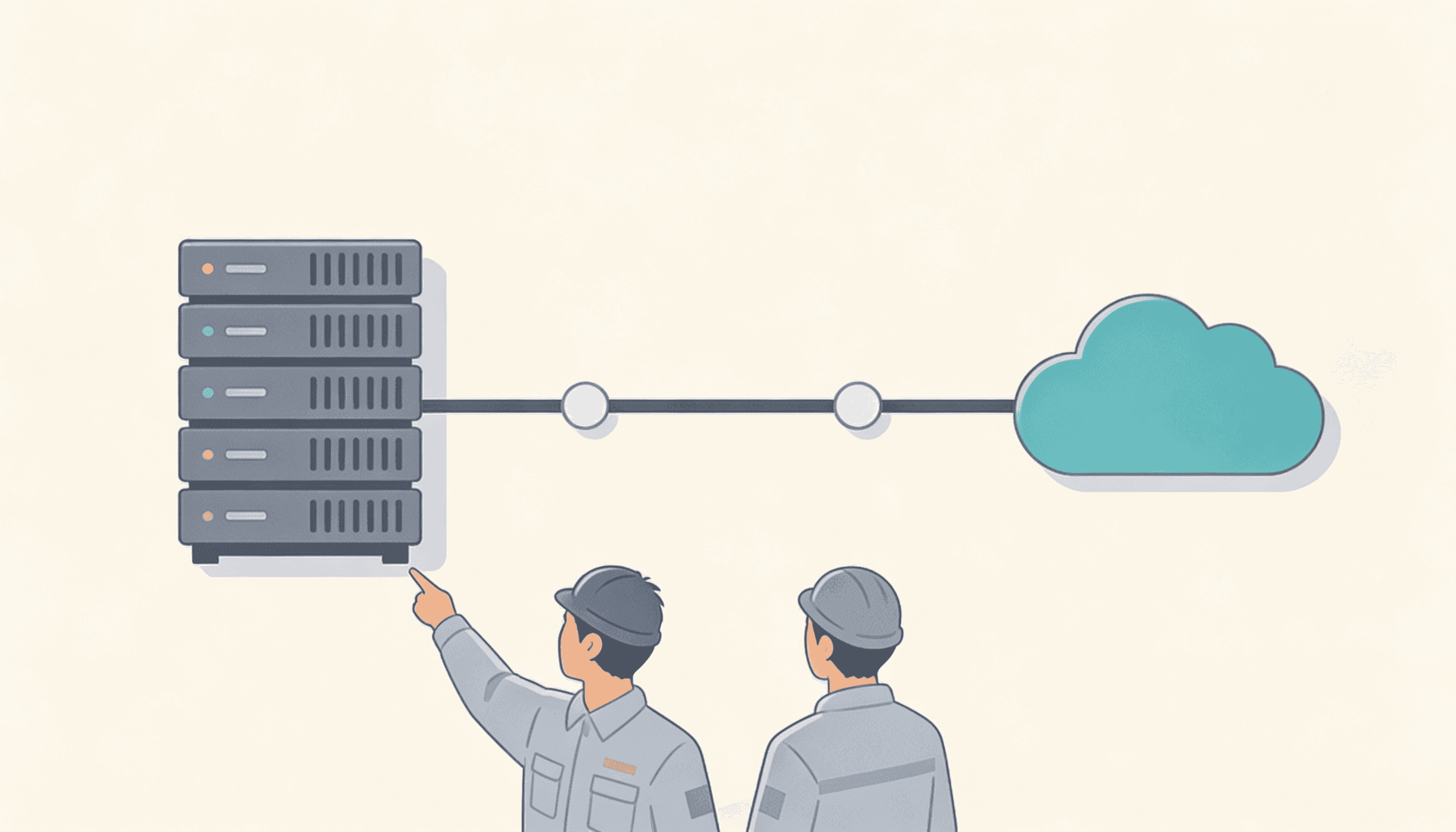
Table of Contents
Introduction
In high‑traffic systems, database upgrades cannot be improvised. Dynalyst, a mobile advertising platform with a hybrid infrastructure spanning AWS and Cycloud, faced end‑of‑life for Aurora MySQL v2 (MySQL 5.7 compatible). Not upgrading meant expensive extended‑support costs; upgrading improperly risked operational failure. The objective was clear: migrate to MySQL 8.0 with minimal impact and zero service interruption.
Background
The environment ran under a hybrid architecture:
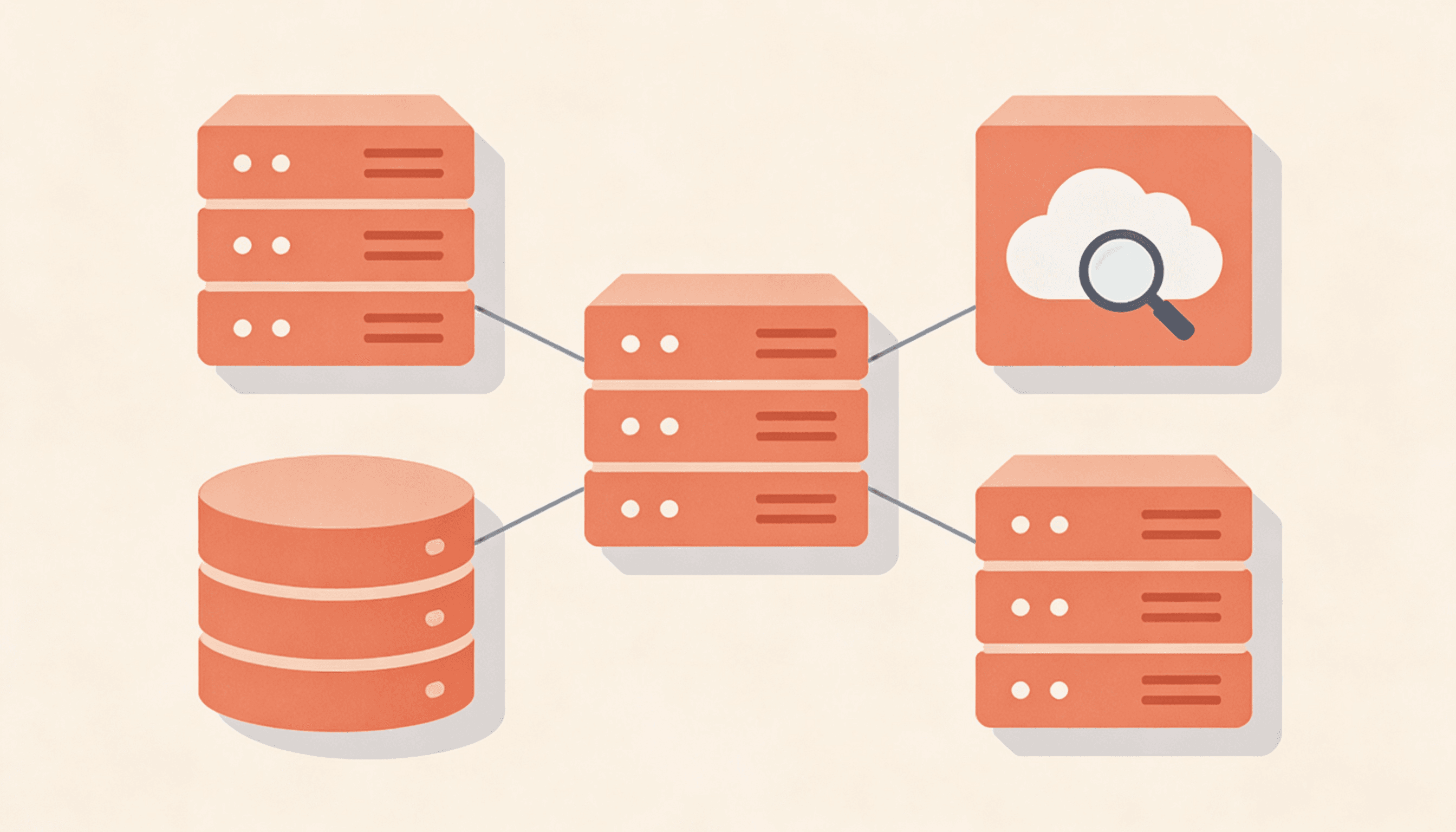
- Aurora MySQL v2 as the master in AWS
- MySQL 5.7 in Cycloud as a replica
- High‑traffic infrastructure handling hundreds of thousands of requests per second
- Zero tolerance for prolonged downtime

Beyond the end‑of‑support deadline, additional technical risks included:
- Incompatible changes between versions
- Replication issues
- Possible query performance degradation
- Risk of breaking replication filters
- It wasn’t just “bumping the version.” It was redesigning the transition without impacting the business.
Execution
Pre‑upgrade assessment
Before any change, the team reviewed:
- Incompatible Changes
- Deprecation & Removal Notes
- Important Changes in the release notes
- Validation using the MySQL Shell upgrade checker
- This allowed identification of real risks and avoided unnecessary checks.

Method selection: Blue/Green Deployment
AWS offers three upgrade methods:
- Snapshot/Restore
- In‑place upgrade
- Blue/Green Deployment
Blue/Green was chosen because it enables version change with minimal downtime, but in a hybrid setup it alone was insufficient. The switchover changes the endpoint automatically, which affected replication to Cycloud.
Solution:
- Temporarily pause replication
- Perform the switchover
- Reconfigure replication with the new endpoint
- Validate replication lag is within acceptable tolerance
Performance verification before full cutover
A test cluster was built: Aurora v2 → Aurora v3 (MySQL 8.0) → Cycloud MySQL 8.0
Three checkpoints were validated:
- Correct creation of the new cluster
- Functional replication
- End‑to‑end data consistency
Load tests were then executed:
- Identification of critical queries via Datadog DBM
- Parameter normalization
Some queries showed degradation and indexes were optimized before production rollout.
Progressive pseudo‑canary migration
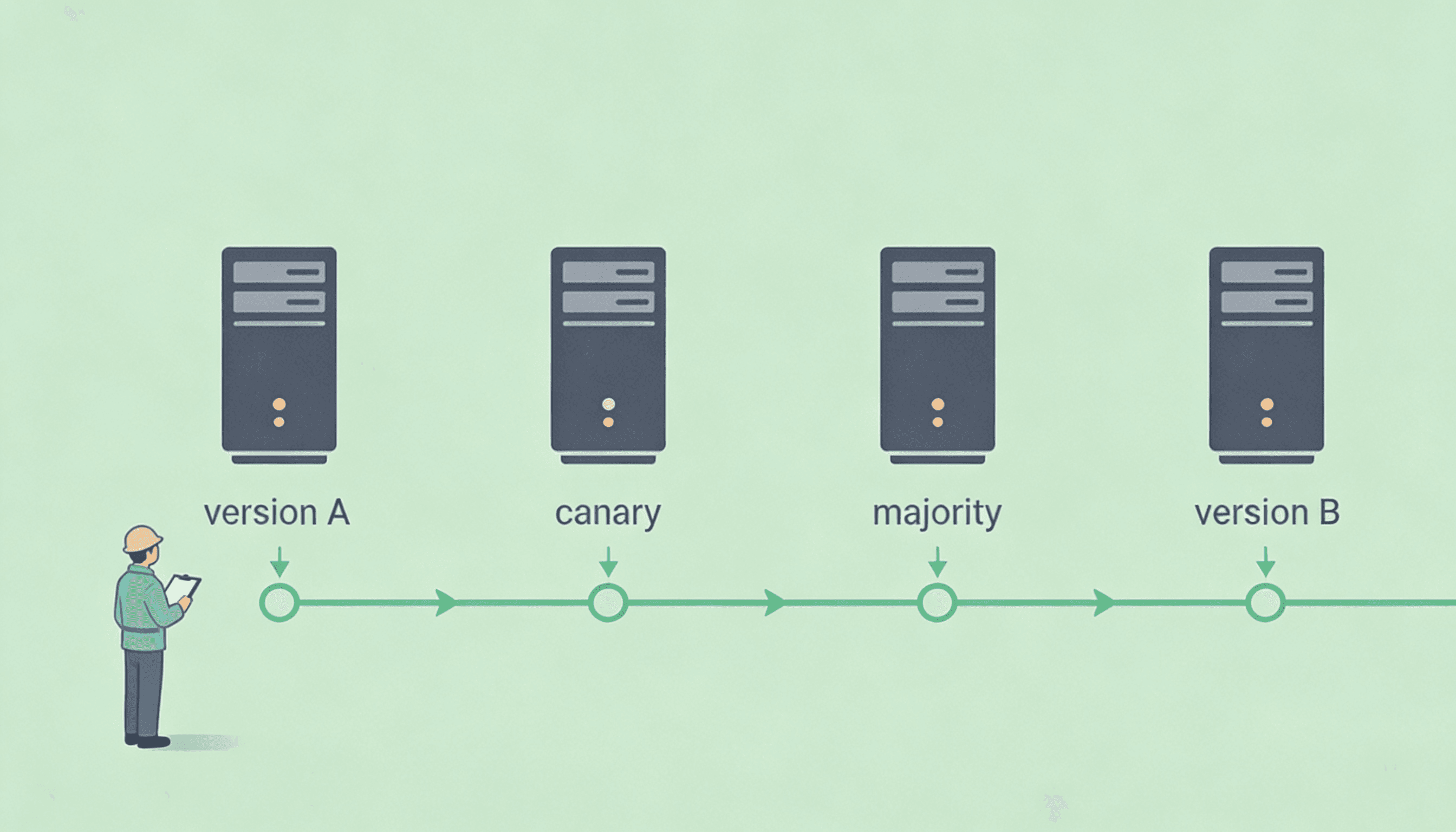
The bid server in Cycloud ran across multiple StatefulSets. Strategy:
- Redirect a single StatefulSet to MySQL 8.0
- Monitor performance
- Gradually scale traffic
This allowed real‑world validation without systemic risk.
Rollback strategy prepared
Blue/Green allows capturing the binlog position at switchover time. Using that:
- Reverse replication was configured from Aurora v3 back to Aurora v2
- The environment was ready for immediate switchback
Fortunately it was not needed, but it was prepared.
Recommendations
- Don’t upgrade just because of a deadline; upgrade with a defined risk strategy.
- Use load tests based on real queries, not idealized scenarios.
- Configure rollback before the switchover, not afterwards.
- If using replication, prefer table‑level filtering.
- In massive environments, estimate real ALTER times before executing them.
Conclusions
Upgrading MySQL in a high‑traffic hybrid environment is not purely a technical task — it is risk management.
The success of the process depends not only on Blue/Green Deployment but on:
- Progressive validation
- Replication control
- Preventive optimization
- Rollback preparedness
When infrastructure supports real‑time business, the upgrade must be invisible to the end user.
Glossary
- Blue/Green Deployment: Strategy that keeps two parallel environments and switches between them to update versions.
- Replica Lag: Delay between primary and replica databases.
- Binlog: Binary log that stores changes for replication.
- utf8mb4: Recommended character encoding in MySQL 8.0.
- StatefulSet: Kubernetes resource for stateful applications.