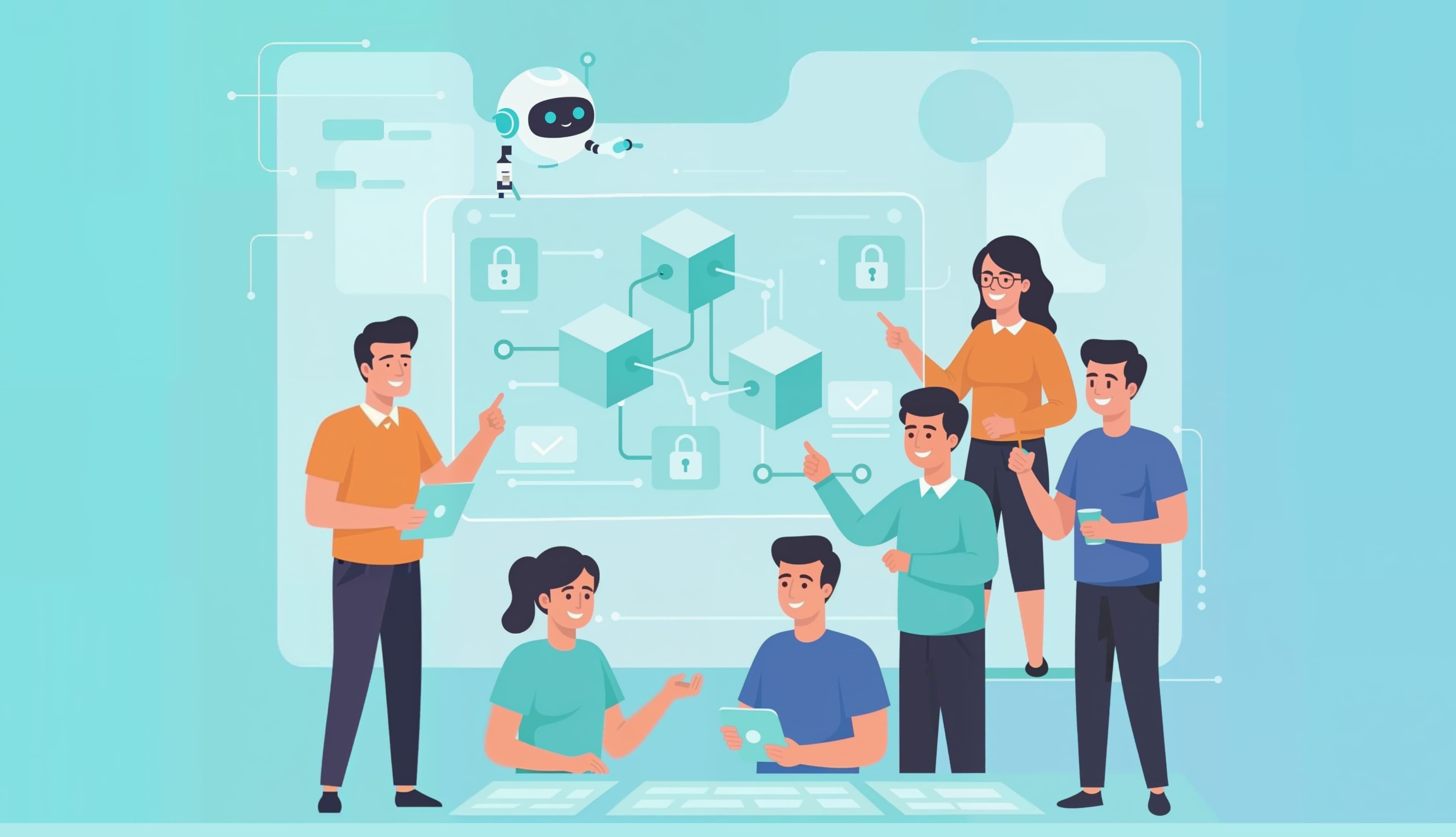
The real adoption of AI doesn't rely on the most advanced model it depends on designing AI as a product: usable, accessible, and aligned with daily work. A product-led approach enables AI to scale from the business side, generate tangible impact, and integrate naturally across the organization.
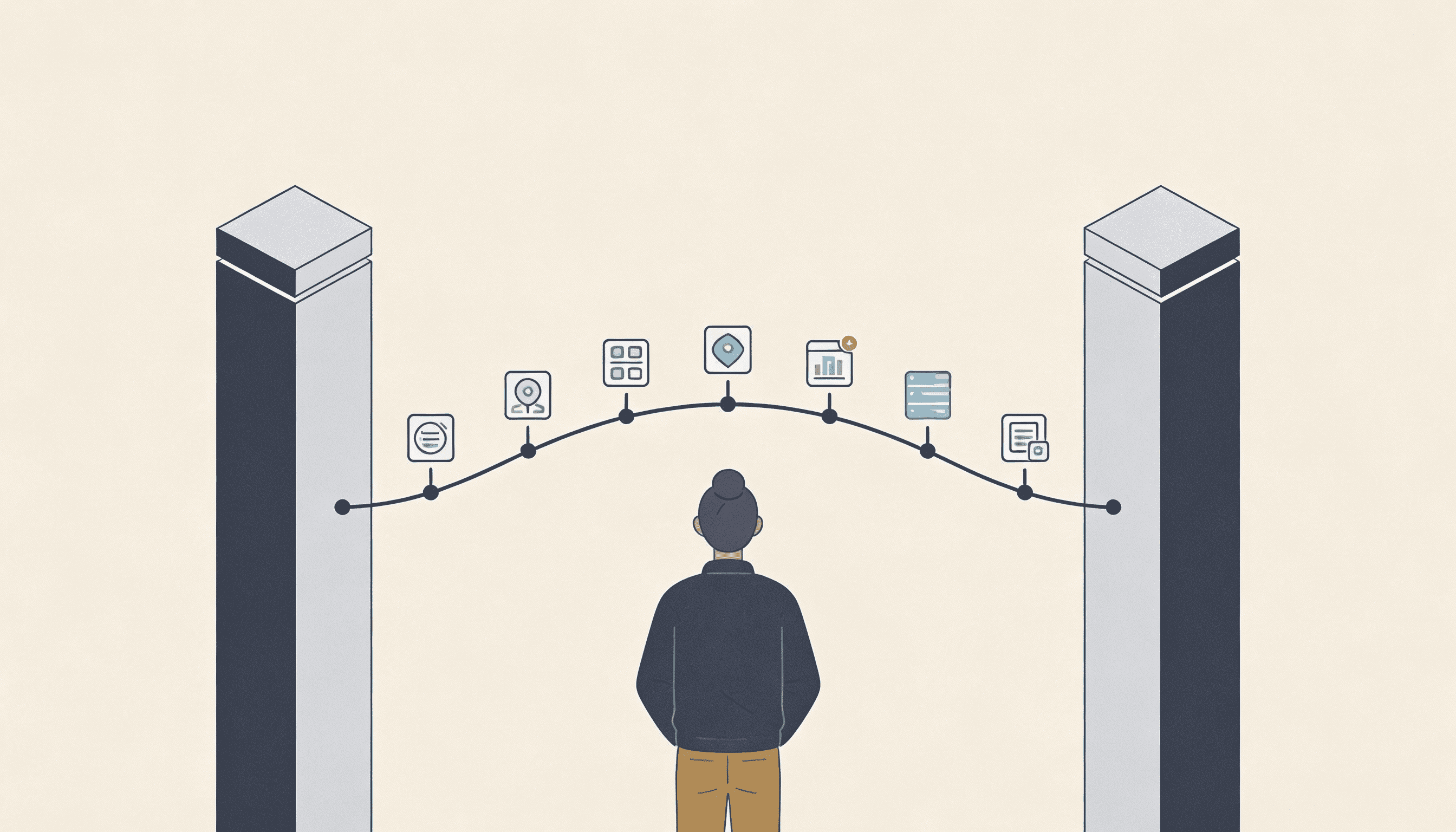


In many companies, generative AI starts as a huge promise and ends up as an isolated experiment. Pilots that never scale, tools only used by a technical team, or initiatives that die because nobody in the business truly adopts them. But what happens when AI is introduced as an internal product, built for real users and not just engineers? This product-led AI approach shows that adoption depends not only on the model, but on how AI is woven into people’s day-to-day workflows.
Before discussing platforms or models, recognize a common pattern:
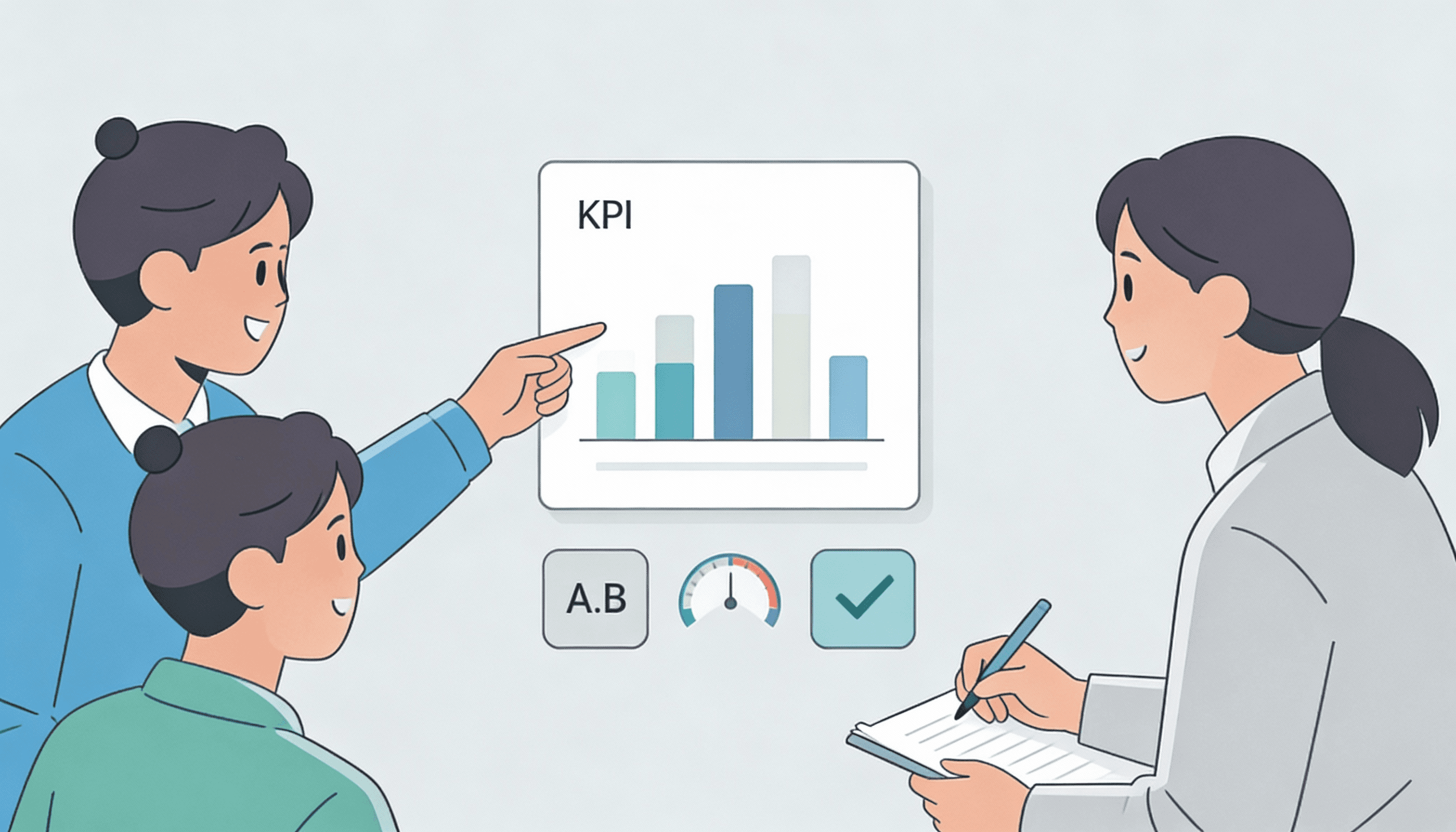
When AI is perceived as experimental or owned by the tech team, usage stalls. The challenge isn’t technical it’s product design and user experience.
Applying a product-led mindset to AI flips the traditional logic. Instead of IT imposing a tool, design an experience where the product itself drives adoption.
This means:
When AI feels useful from the first touchpoint, evangelism isn’t necessary users come back on their own.
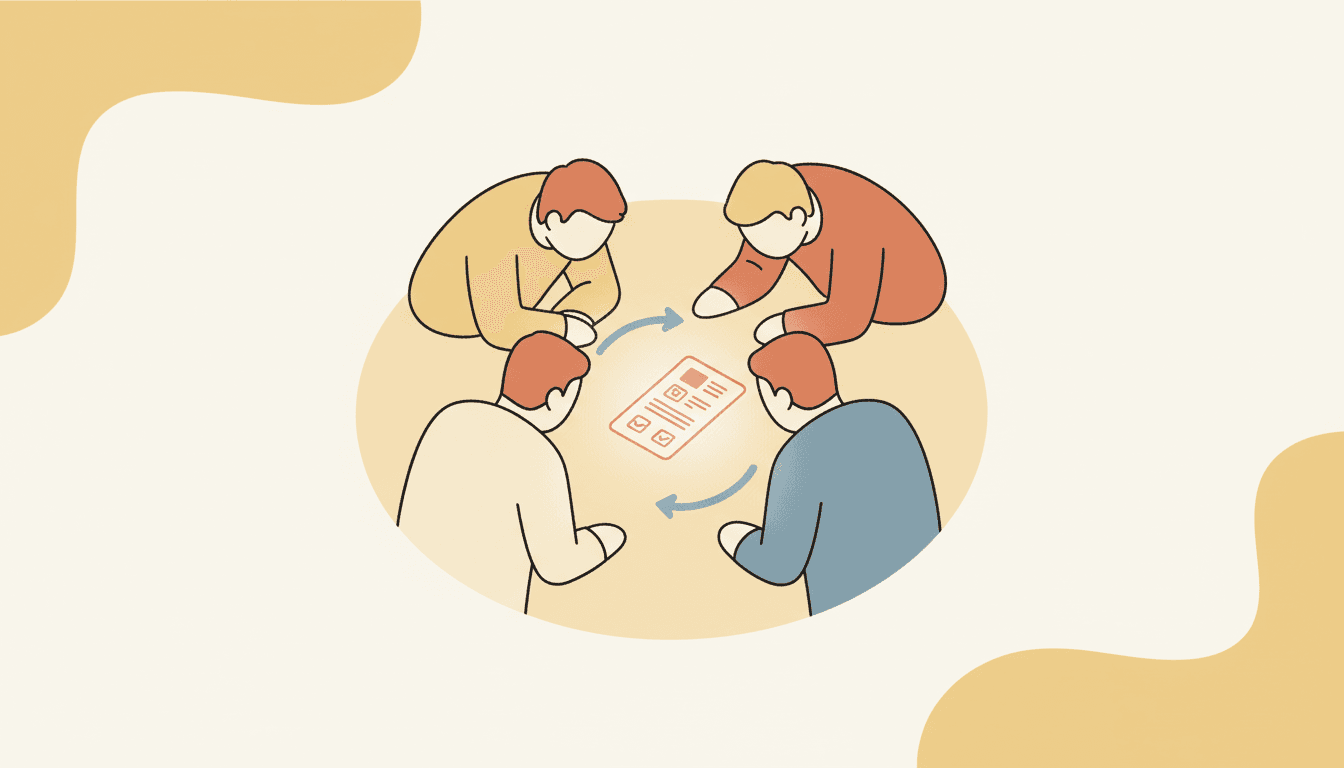
Successful adoption doesn’t happen from a single big presentation — it grows through small, repeatable cycles:
This type of growth doesn’t depend on internal campaigns but on trust in the product. AI stops being “new” and becomes simply another work tool.
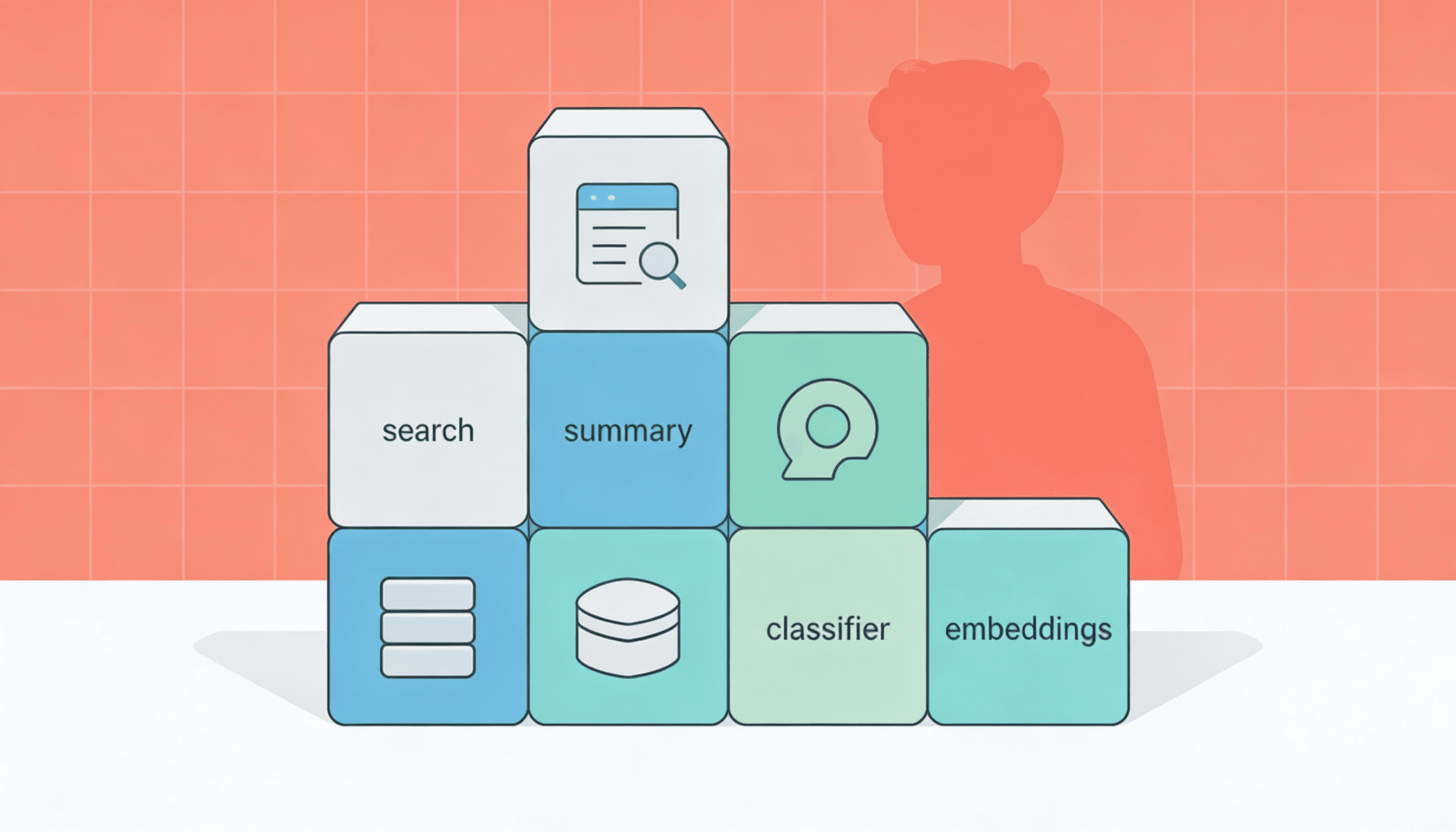
A common mistake is believing AI should be designed only by technical profiles. In practice, the best outcomes come when:
When the people who know the processes configure the AI, real improvements and new requirements appear — things no initial roadmap could predict.
In generative AI, chasing “perfect” outputs is often the slowest path. In many cases it’s more valuable to:
Balancing accuracy, speed, and cost is crucial. AI doesn’t replace everything, but it multiplies team capacity when used judiciously.
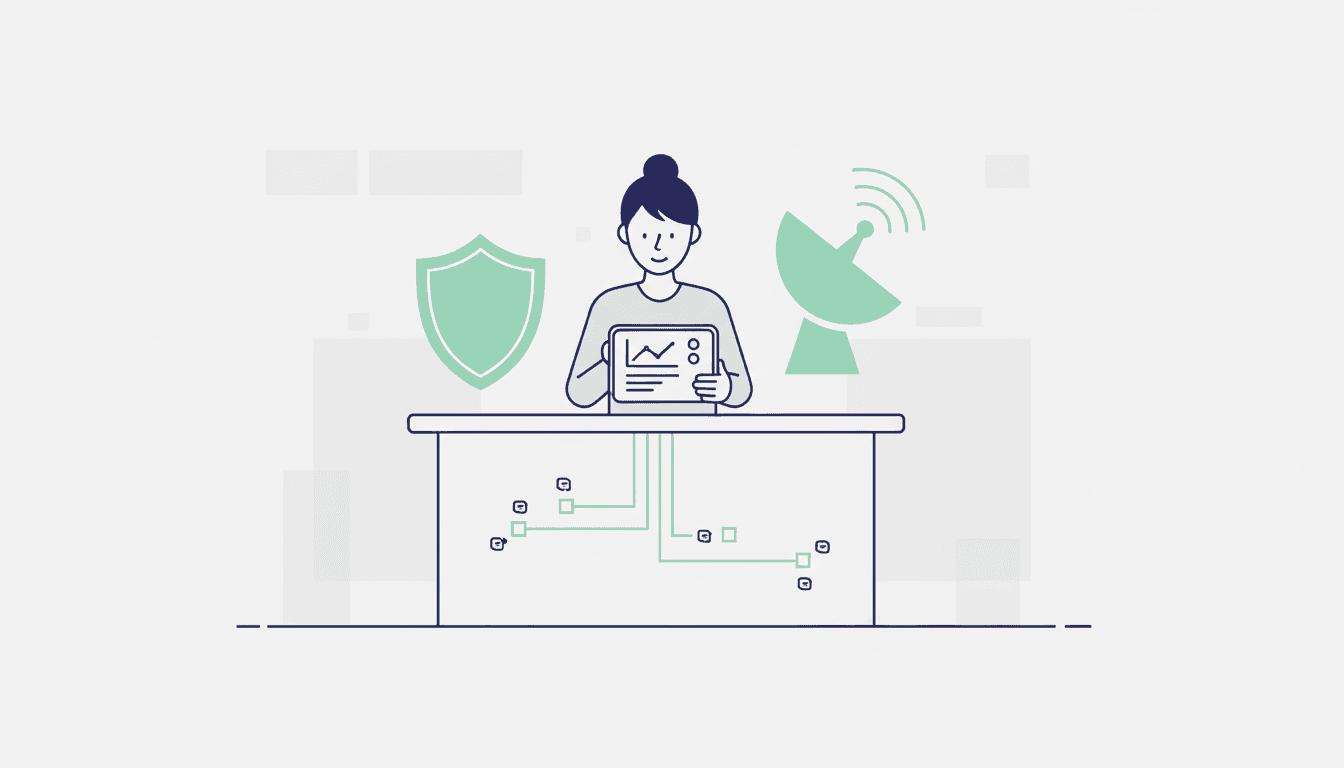
The AI that truly transforms a company isn’t the most sophisticated it’s the one people use without thinking twice. When introduced as an internal product focused on people, workflows, and immediate value, AI stops being a tech experiment and becomes a sustainable operational advantage.