In live-streaming systems, one of the main technical challenges is maintaining real-time communication when thousands of users interact simultaneously. This article reviews how Pig Party’s engineering team redesigned live comment architecture using Redis Pub/Sub and batch publishing. The implementation enabled a tenfold increase in concurrent user capacity, reduced bottlenecks, and significantly improved system stability during mass events.
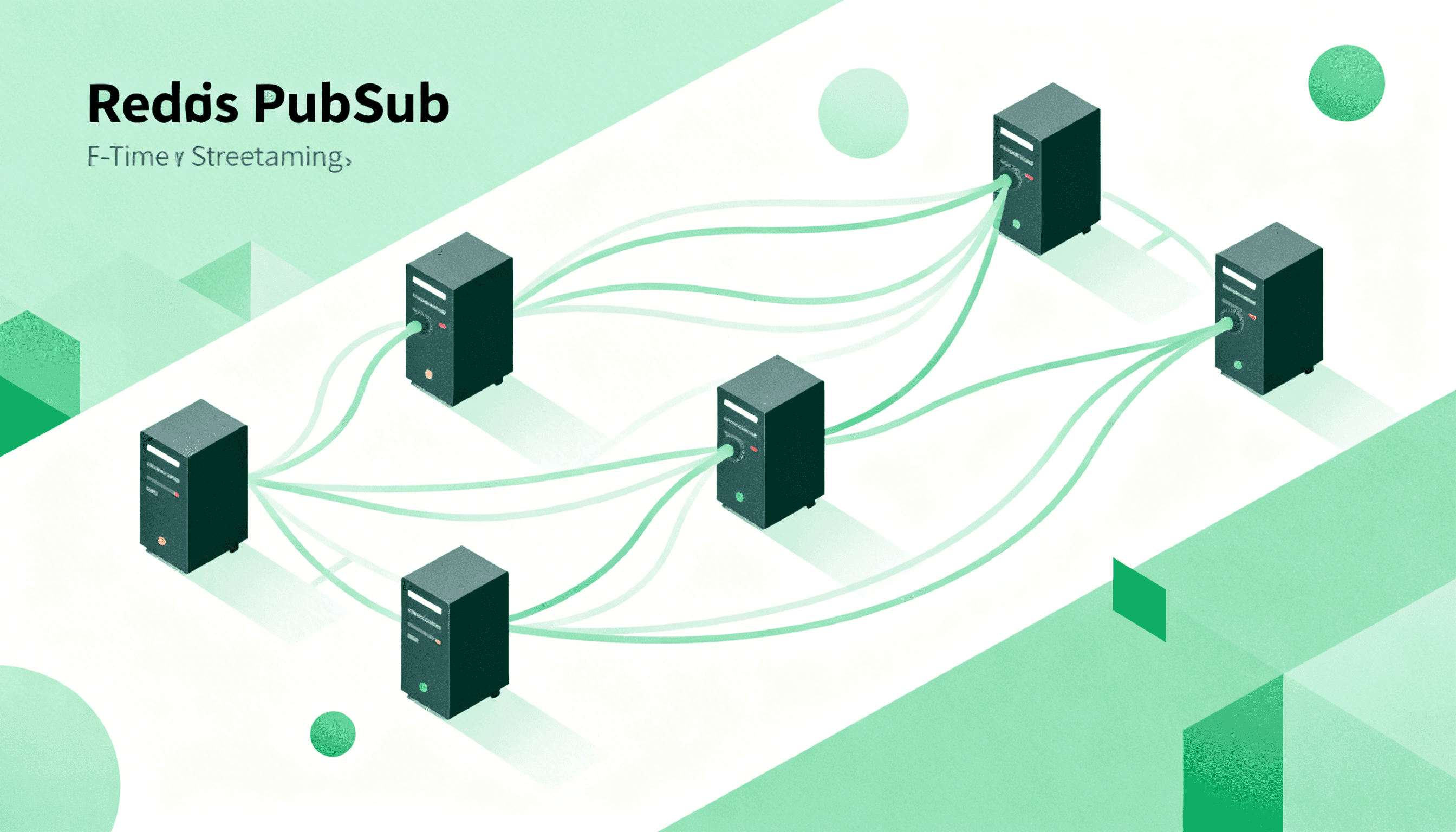


Digital products that integrate real-time interaction such as chats, live-stream comments, or virtual event participation face major challenges when user counts grow rapidly. In these scenarios, each new viewer not only consumes content but also generates events and messages that must be distributed to all participants.
Pig Party, an avatar-based social service where users create their own “Pig” and join virtual parties with voice chat and live comments, experienced significant growth in collaborative events and creator-led streams. As these events began to gather thousands of simultaneous viewers, the volume of real-time comments started placing pressure on the existing architecture.
Pig Party runs on a Kubernetes-based infrastructure and originally consisted primarily of two components:

In the original architecture, comment delivery followed this flow:
While this model worked under moderate traffic, it showed weaknesses during large-scale events. Main limitations included:
To address message distribution challenges, the team adopted Redis Pub/Sub as an intermediary between message producers and the services that deliver them to users. Redis Pub/Sub uses a publish–subscribe model: publishers send messages to specific channels and subscribers automatically receive messages published to those channels.
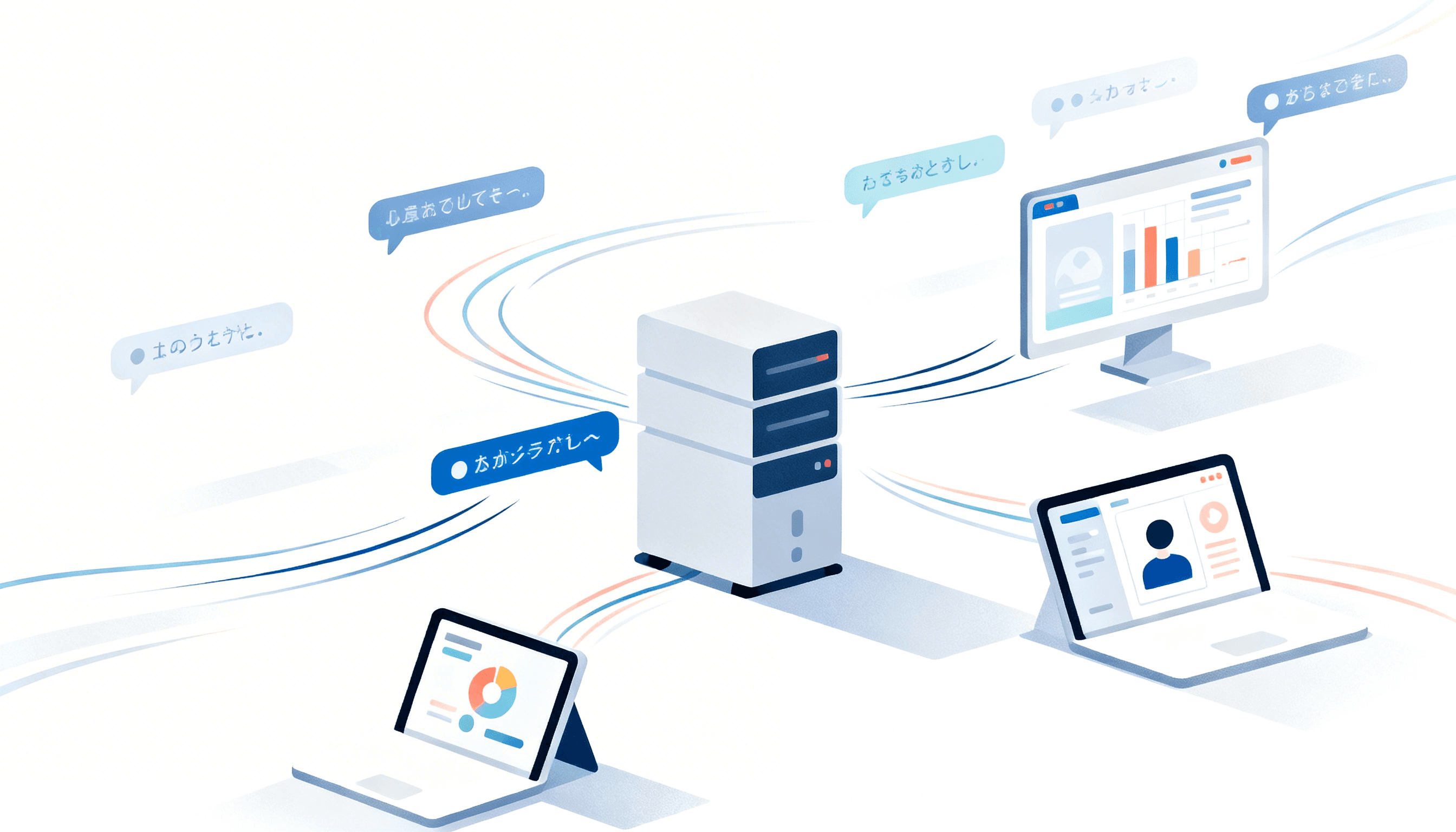
Redis simplified the comment flow inside the system.
The updated process works like this:
Advantages of the redesigned flow:
Even with Redis improving distribution, extreme comment volumes during massive events still generated a very high number of publish operations. To optimize performance, the team implemented a batch publishing strategy.
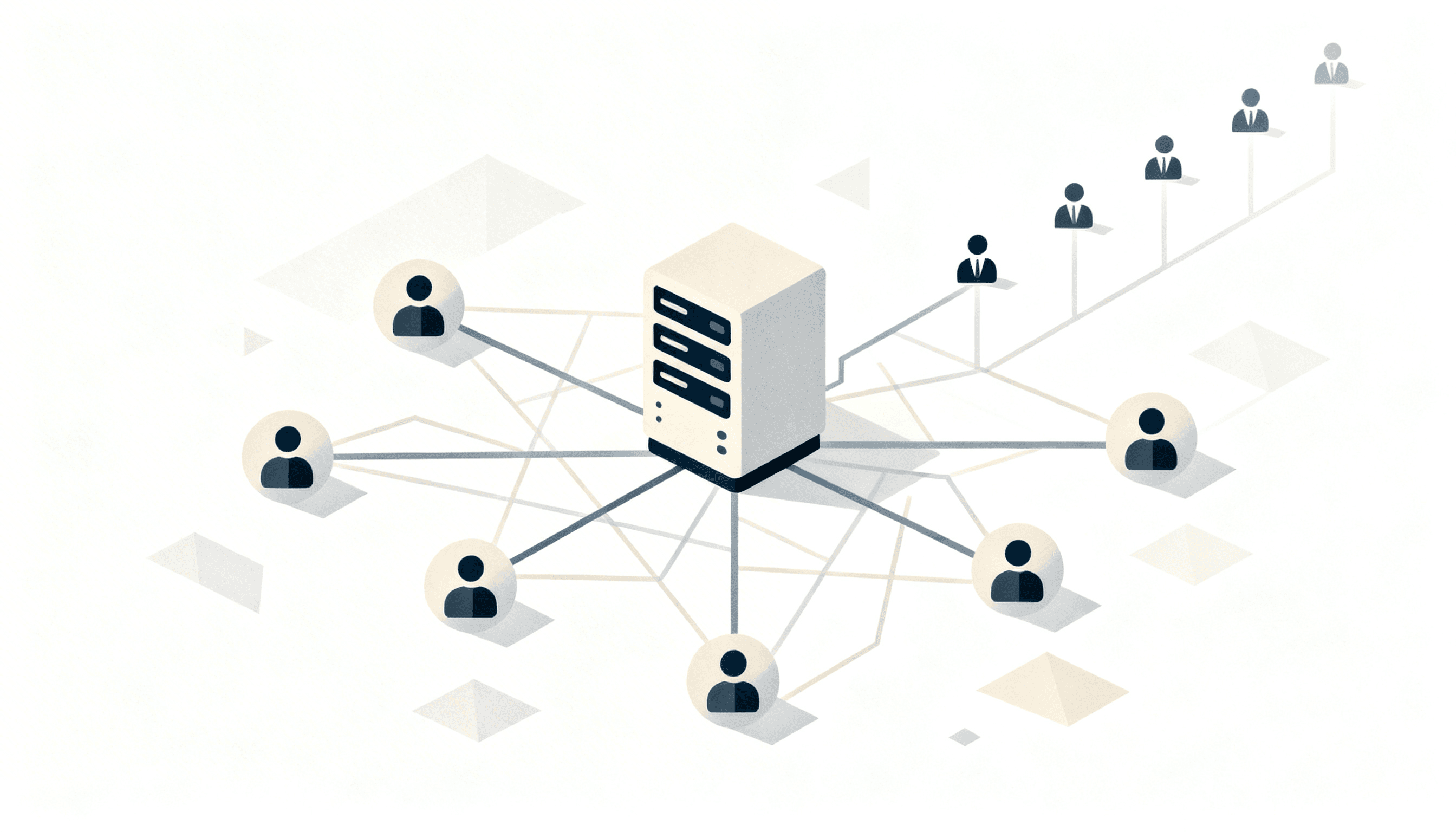
The approach:
Example:
Benefits:
Adopting Redis Pub/Sub enabled Pig Party to transform its real-time commenting architecture, removing bottlenecks and significantly improving scalability. By combining a publish subscribe model with batch publishing, the team reduced server load, optimized message distribution, and increased concurrent user capacity by an order of magnitude during massive events demonstrating how well-designed architectural decisions can deliver substantial gains in performance and stability.