This article explores how to move from fragile, hard-to-operate analytics systems to a more scalable, reliable, production-ready data architecture. From understanding the problem to redesigning the system, we analyze how architectural decisions directly affect the quality of insights, operational stability, and teams’ ability to make better decisions. At Meetlabs, these evolutions are not only about technology but about building solid foundations that enable frictionless growth and turn data into a real business asset.
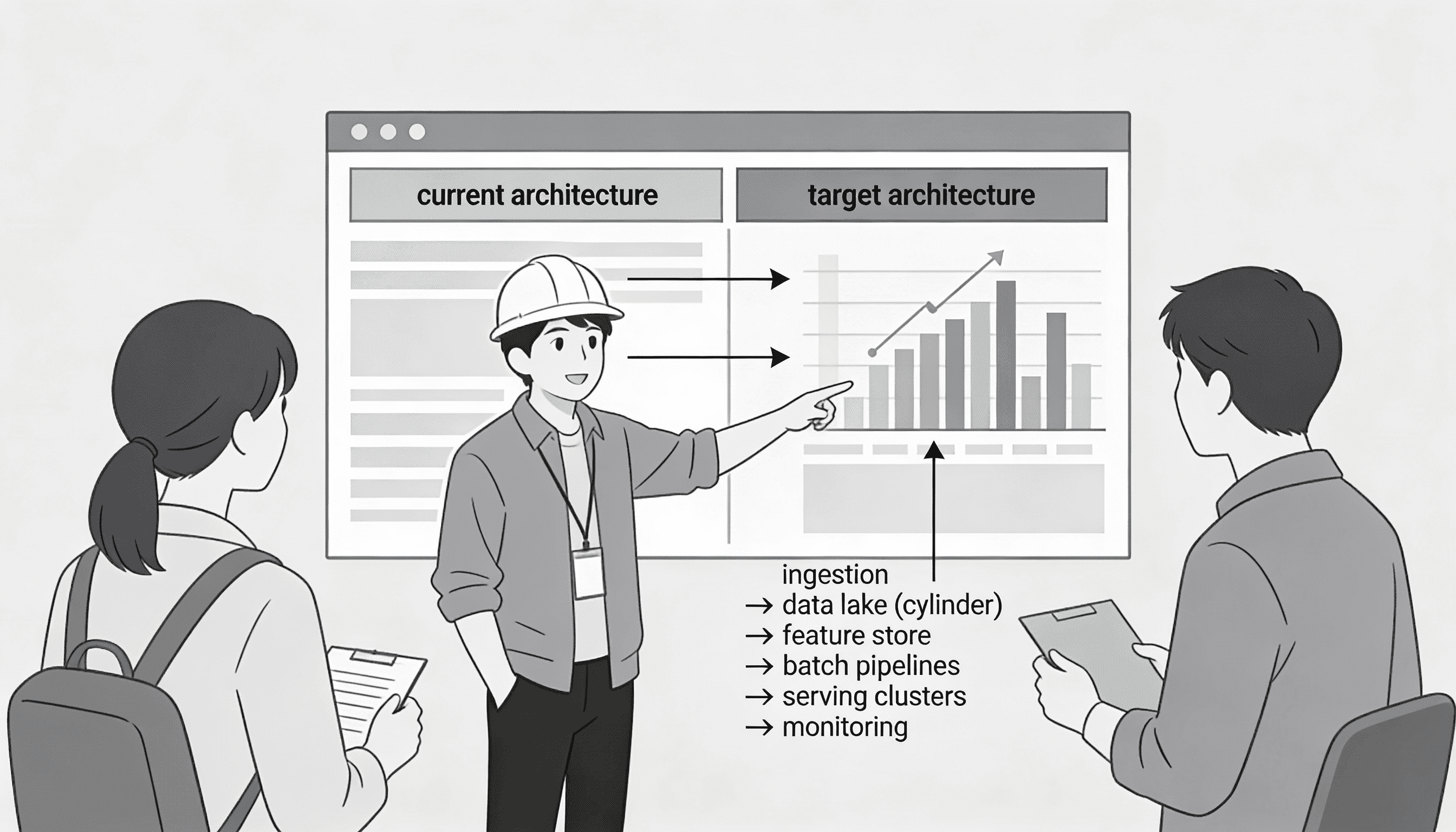


As digital products grow, analytics stops being just a support tool and becomes a critical piece for decision-making. What once worked with few users, simple queries, and occasional reports begins to show cracks as data volume increases, teams multiply, and decisions must be made in near real time.
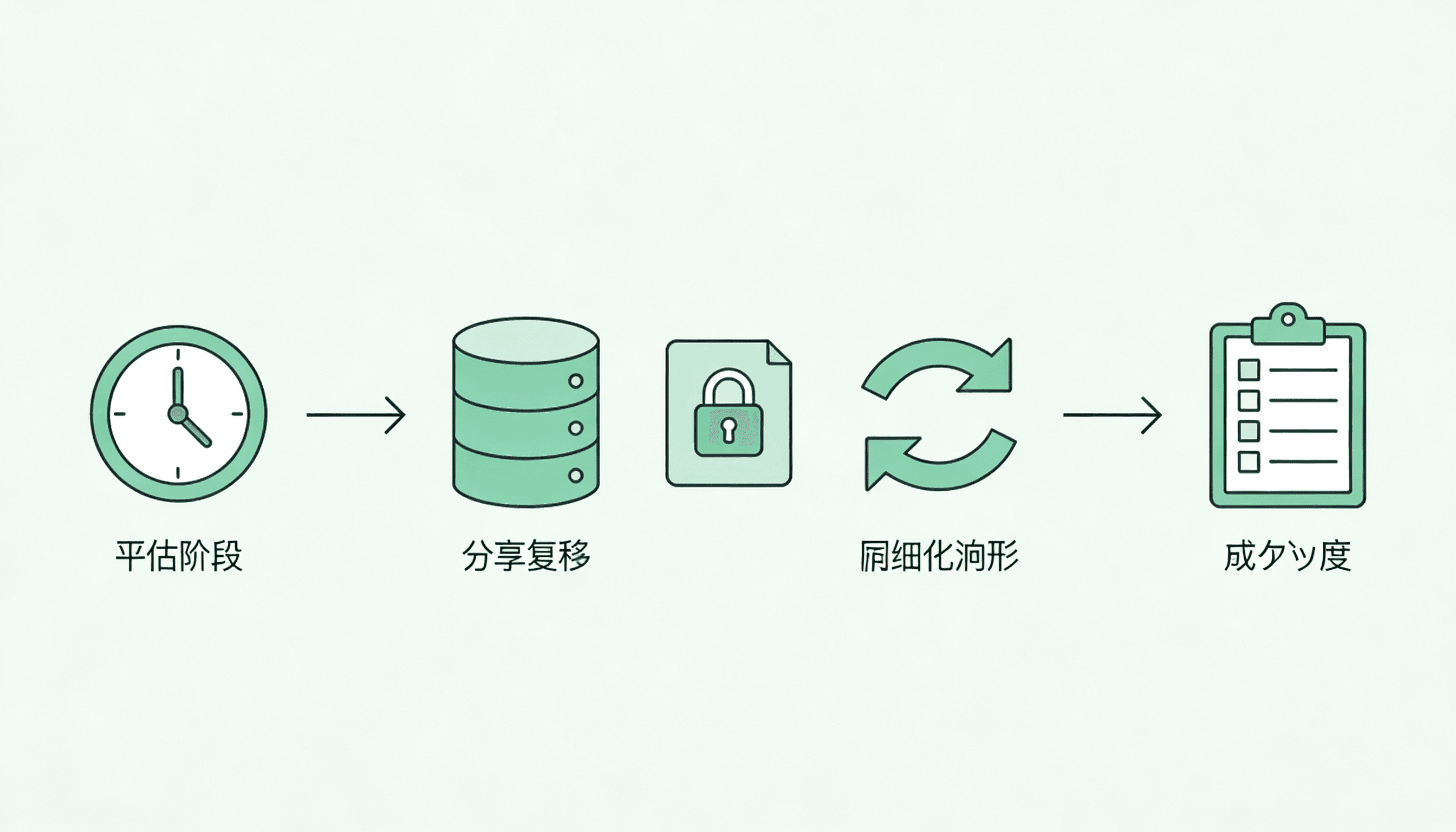
At this point many teams face the same dilemma: the current system still works, but every change becomes more costly, riskier, and less predictable. Migration becomes inevitable — the real challenge is doing it without compromising daily operations. This article explores how to approach a large-scale analytics migration not from the tool perspective, but from architecture and operations, focusing on reliability, scalability, and the future.
Analytics systems are often built incrementally. Early on, that flexibility is an advantage: you move fast, solve immediate needs, and deliver value quickly. However, as you grow, that same flexibility turns into rigidity.
Common symptoms of a system that has reached its limit:
The biggest risk is not only technical but operational: every change brings uncertainty and every mistake directly affects the business. In this scenario, continuing to “optimize” the existing system stops being a viable strategy.
A successful migration doesn’t start with choosing a new technology it begins with a mindset shift. Instead of asking “which tool should we migrate to?”, the right question is “what kind of system do we need to operate?”.
The adopted approach is based on three core principles:
This allows the new system to coexist temporarily with the old one, reducing risk and enabling progressive validation.
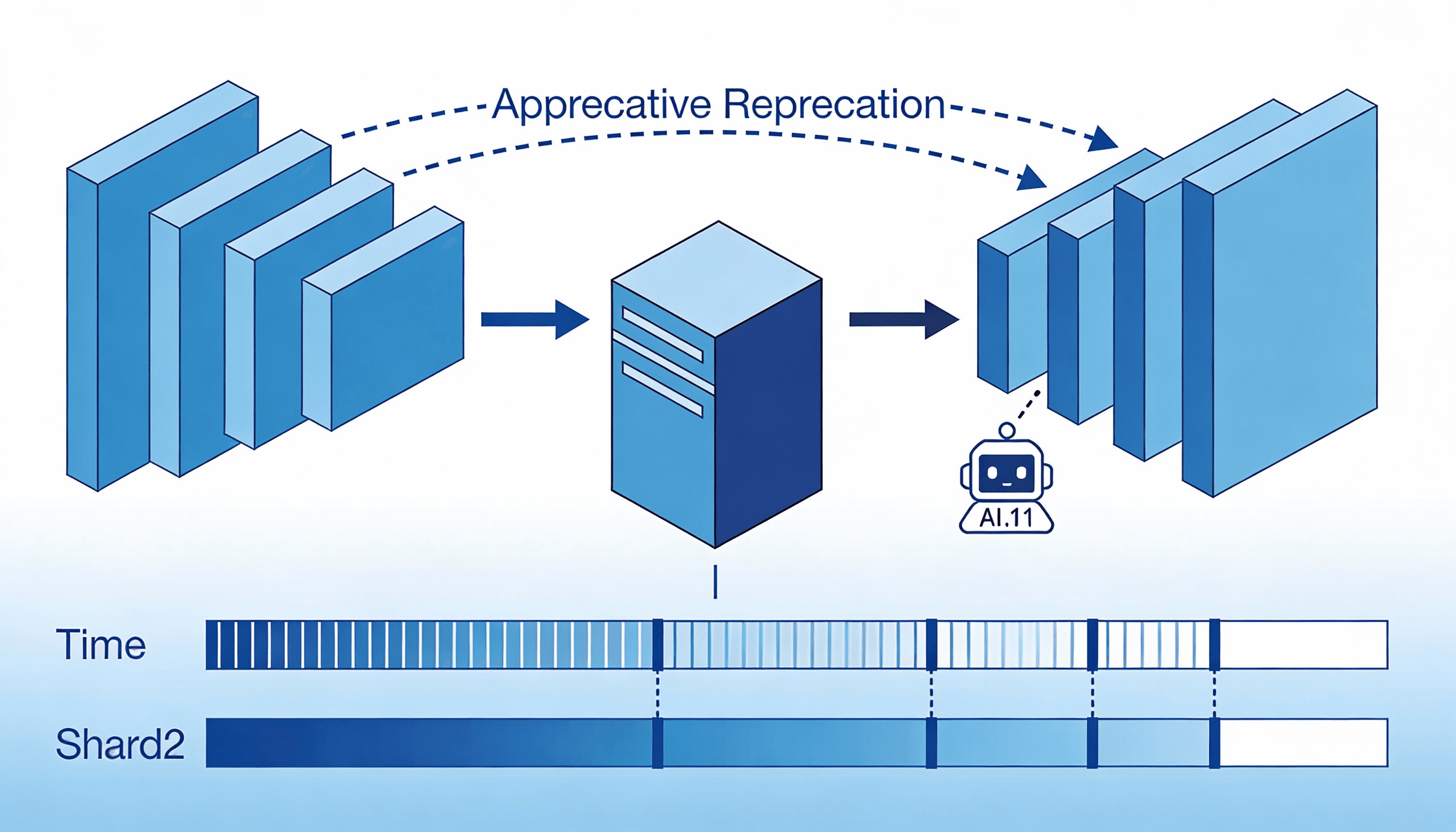
The heart of the migration is an architecture designed to scale predictably. Instead of a monolithic system, a modular structure is proposed where each component has a clear responsibility.
This architecture not only improves performance, but also makes continuous iteration easier without compromising stability.
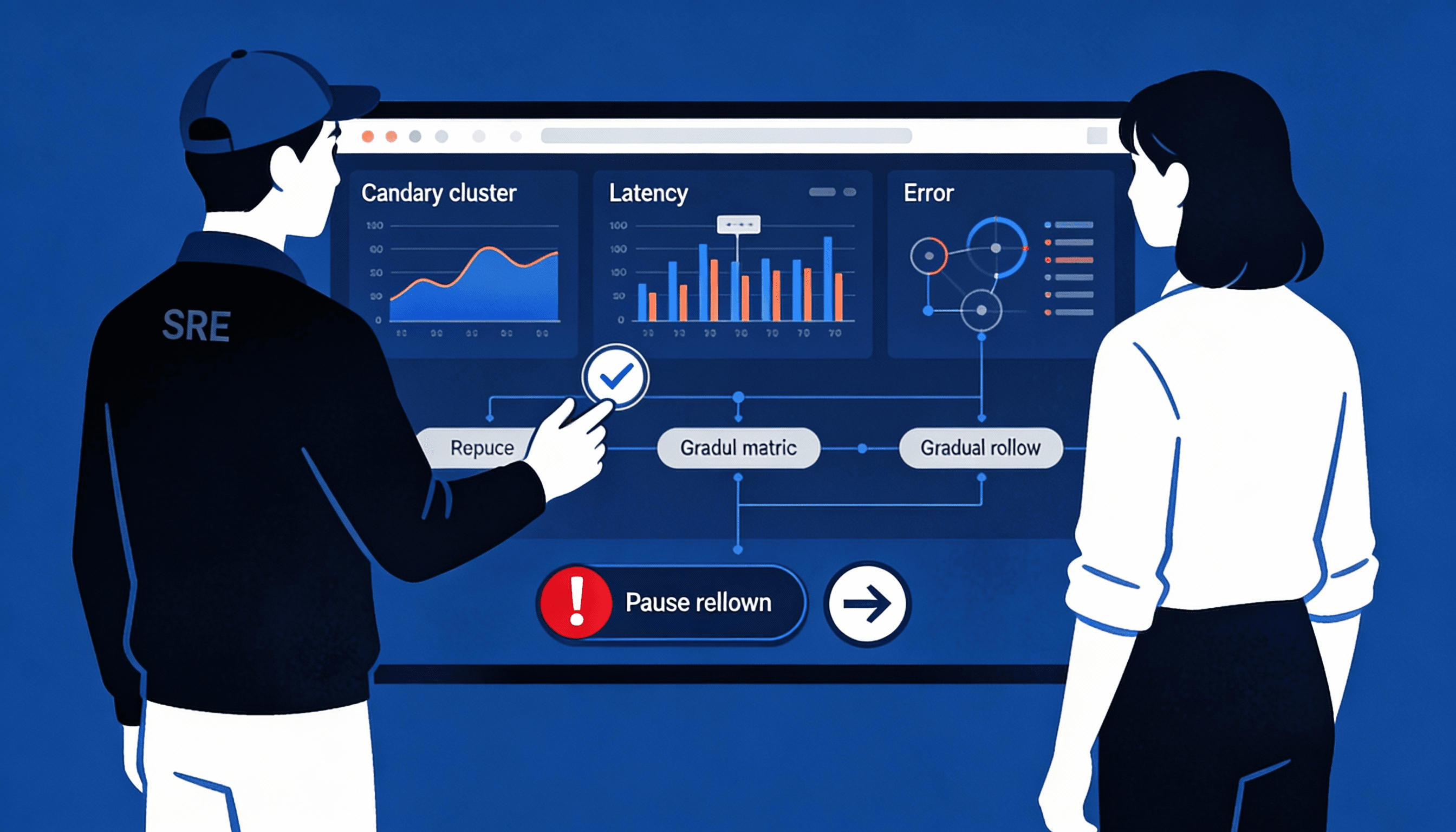
An analytics system is validated in daily operation, not just in design. Much of the effort was therefore focused on ensuring the system remained reliable under real load.
The goal was not to build the most sophisticated system, but a predictable, stable, and easy-to-operate one.
After the migration, the benefits extended beyond technical performance. The impact was cross-cutting:
A key lesson: scalability is not a future problem but a condition that must be designed into every system from the start.