Organizations today generate and store large volumes of data from sensors, enterprise systems, digital platforms, and historical records. Although this data has high potential to create value, interpreting it often requires specialized knowledge that is not always available. Large language models (LLMs) offer an attractive alternative to scale the interpretation of complex data through techniques like prompt engineering, enabling the transformation of technical information into clear, useful explanations for different business areas.



Organizations produce massive and diverse datasets from IoT sensors to transactional logs and platform analytics. While these datasets can drive insights, their formats and technical nature make them hard to interpret without domain expertise. LLMs can help bridge this gap by converting structured or technical data into natural-language explanations that are easier for stakeholders to understand and act upon.
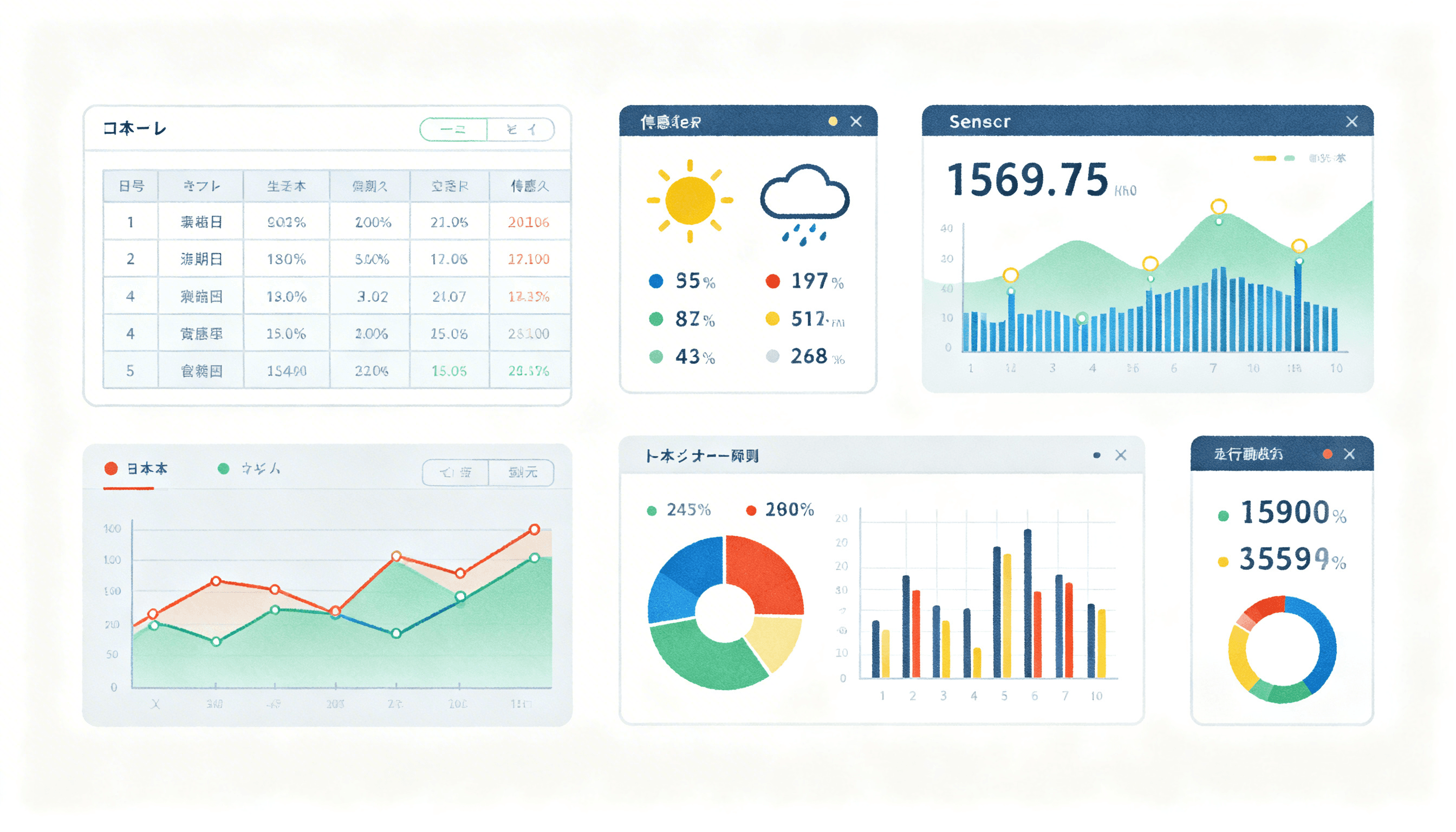
Highly specialized data includes meteorological readings, financial trends, sensor logs, and behavioral analyses from digital platforms. These data types are often represented in technical or tabular formats that non-experts find difficult to interpret. Consequently, many organizations rely on specialists to translate raw data into decision-ready information.
Key points:
Large language models process textual input and generate human-readable explanations, when structured data is converted into textual form, LLMs can detect patterns and produce interpretations that clarify underlying phenomena.
Key points:
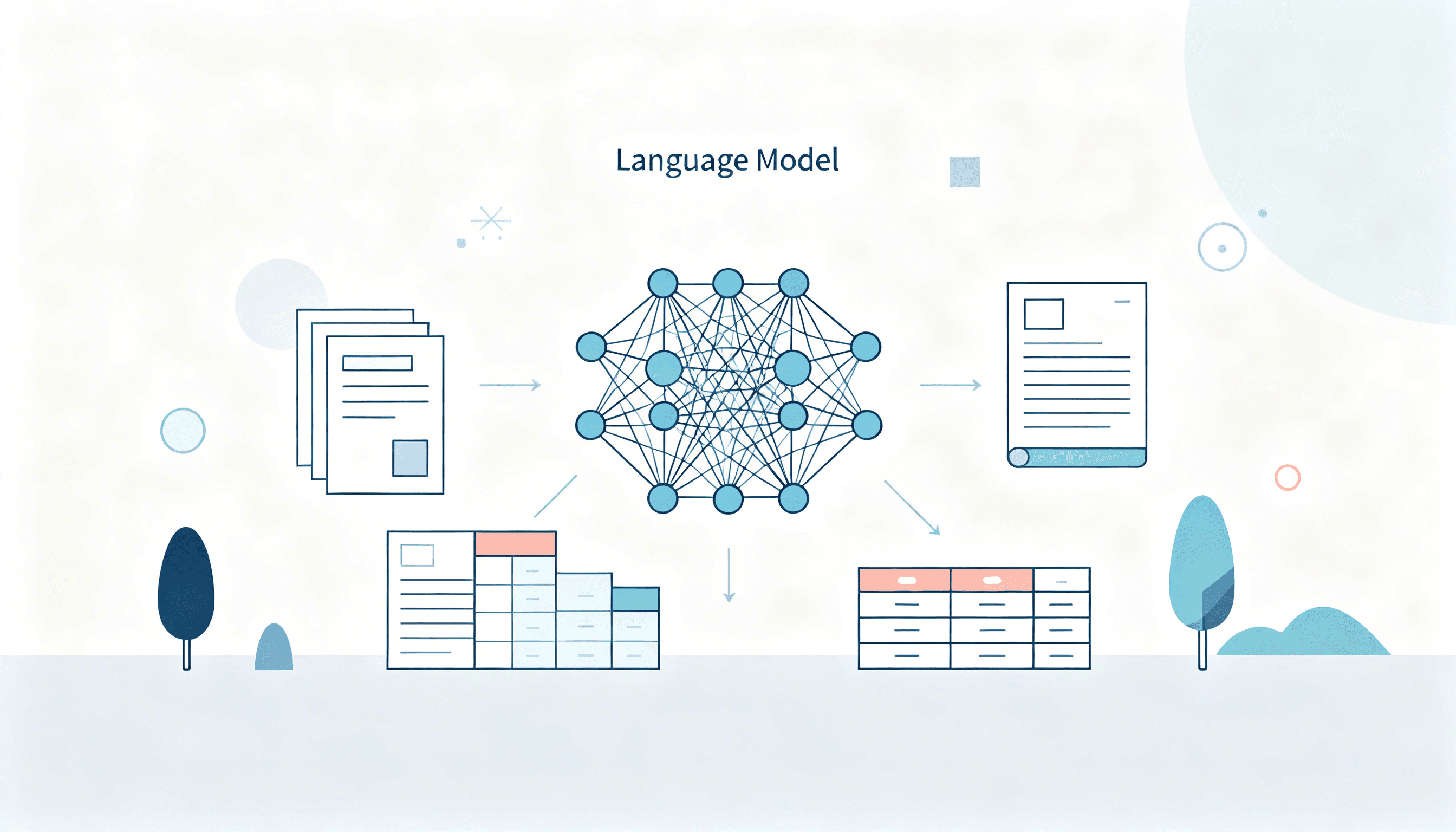
Prompt engineering is the craft of designing precise instructions to steer model behavior, for specialized data analysis, the process can be divided into three stages: convert data to natural language, interpret its meaning, and produce a concise summary with relevant conclusions.
Key points:

LLMs can scale interpretation and reduce dependency on experts for repetitive tasks, but there are important limitations tied to result quality and the need for validation.
Key points:
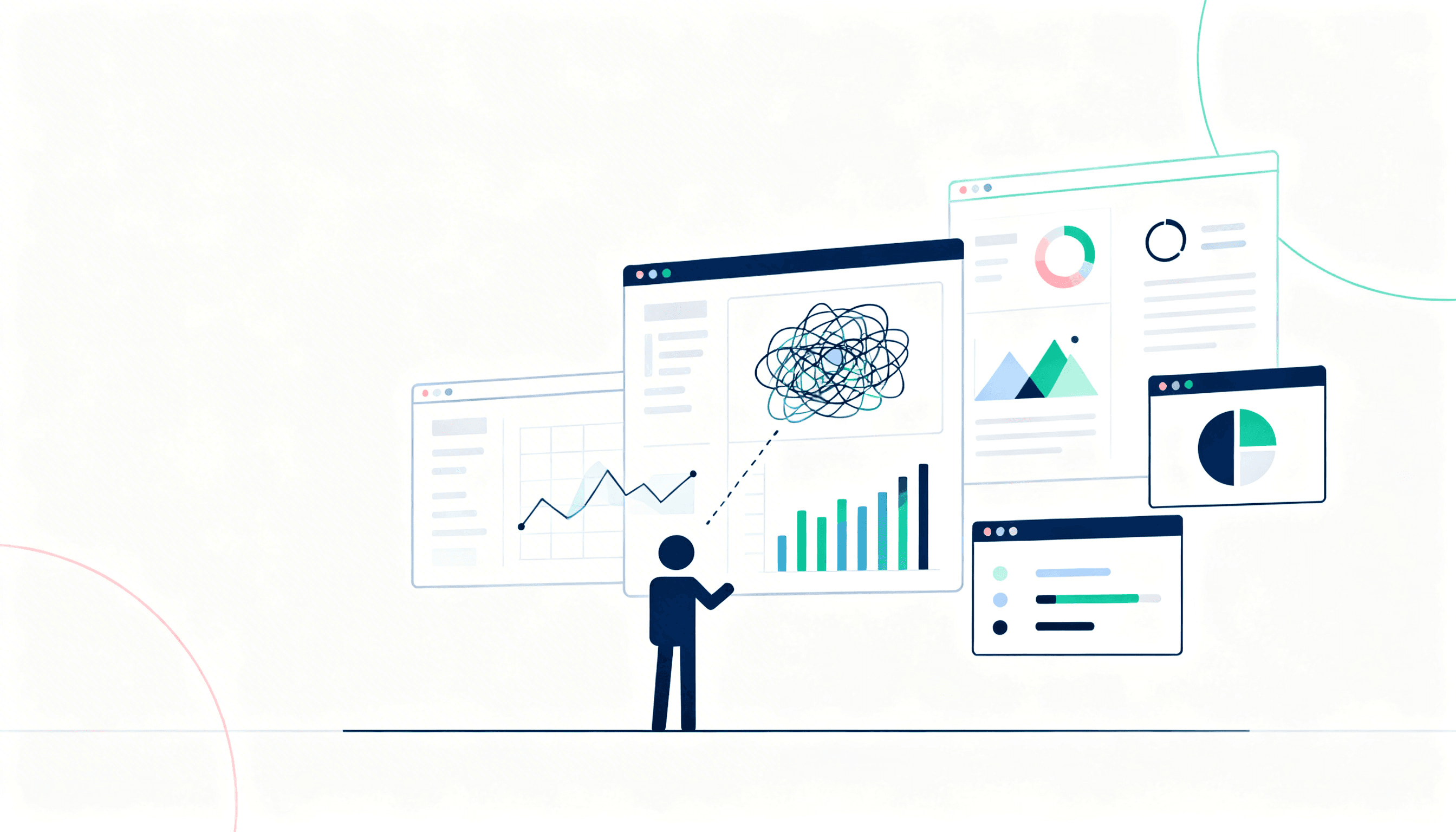
Using LLMs to interpret highly specialized data presents a significant opportunity to scale complex-information analysis within organizations. With prompt engineering, technical data can be turned into comprehensible explanations that aid decision-making. Nevertheless, expert involvement remains crucial to design effective prompts and validate outputs, ensuring that model-generated interpretations truly deliver value.