In the digital transformation era, data has become one of the most valuable assets for organizations. Many datasets are highly specialized and require technical knowledge to interpret. Large language models (LLMs) are a promising tool to turn complex data into comprehensible information using natural language. Techniques like prompt engineering make it possible to guide these models to analyze data and produce useful interpretations, opening new opportunities to scale data analysis across sectors.



In the age of digital transformation, data has become one of the most valuable resources for organizations. Companies and governments collect large volumes of information from diverse sources sensors, user behavior logs, financial transactions, or weather data. However, many of these datasets are highly specialized and require technical expertise to interpret correctly. Large language models (LLMs) have emerged as a promising tool to facilitate this process, transforming complex data into understandable information through natural language. Thanks to techniques such as prompt engineering, it is possible to guide these models to analyze data and generate useful interpretations, creating new opportunities to scale information analysis across different sectors.
Many types of data used today are not easy to understand for those without domain-specific training. Weather data, stock market trends, sensor logs, or consumer behavior information require detailed analysis to extract actionable insights.

Large language models can process vast amounts of text and convert structured information into comprehensible explanations, allowing technical data to be interpreted via natural language.
Prompt engineering consists of designing specific instructions to guide language models for a given task. For specialized data analysis, prompts can break the process into steps to improve interpretation.
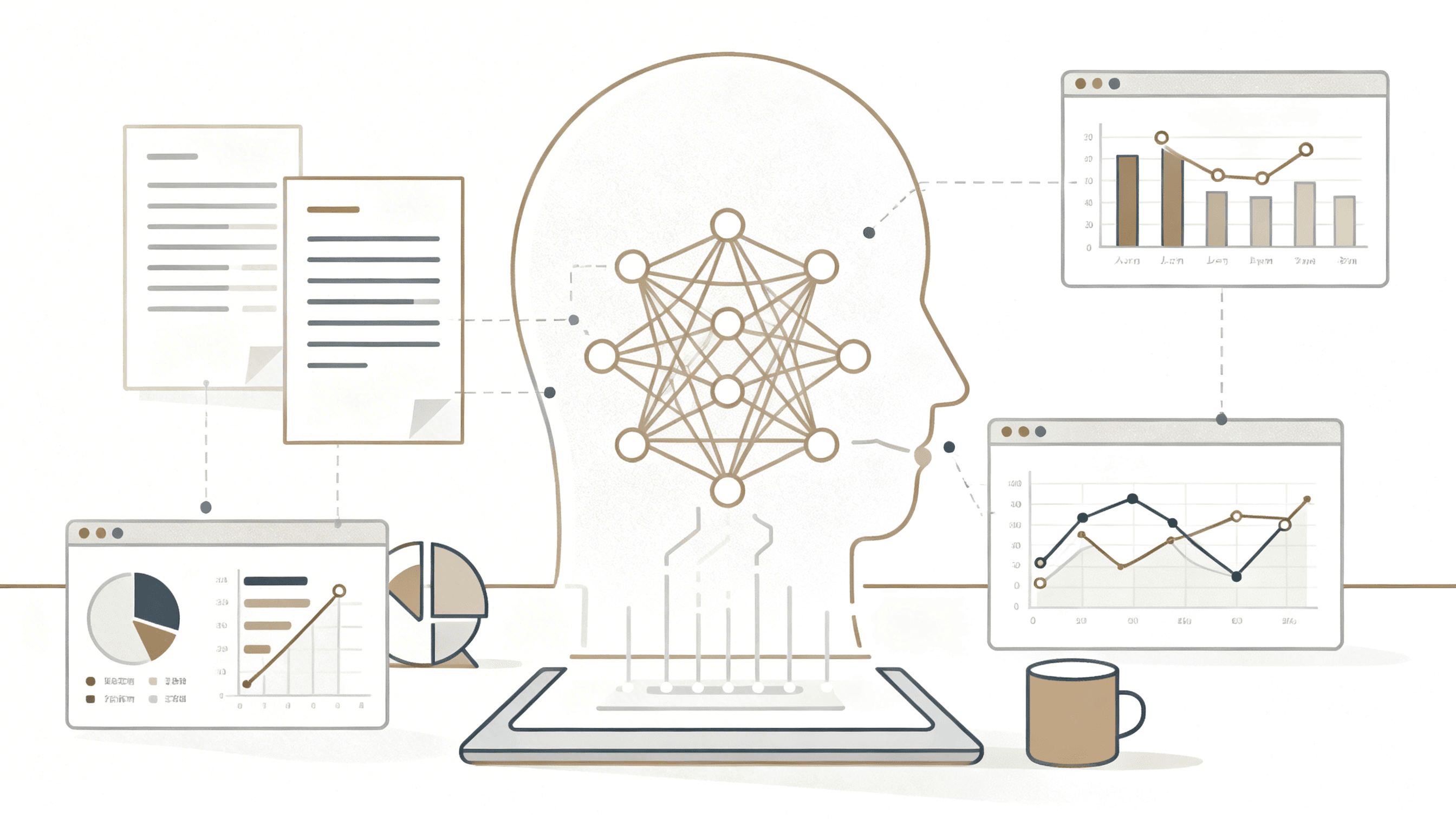
Practical examples: weather data and New York taxi records To evaluate this approach, two open datasets were analyzed: meteorological information and New York taxi records. In both cases, language models identified trends and produced useful explanations from the data.

Using language models to interpret specialized data offers an important opportunity to expand analytical capabilities within organizations. With prompt engineering, LLMs can be guided to transform complex datasets into understandable and useful explanations. However, result quality depends heavily on the expert knowledge incorporated into prompts and the validation performed by specialists. When combined correctly, LLMs can become a powerful tool to scale data interpretation and support evidence-based decision making.