Building a custom image-optimization infrastructure on AWS is not merely a technical choice it’s a strategic one. Between serverless design, cost control, customization, and third‑party dependence, the trade‑offs become decisive. This article examines what it means to design a Dynamic Image Transformation system on Amazon CloudFront versus using a SaaS solution, and which factors should truly guide the decision.
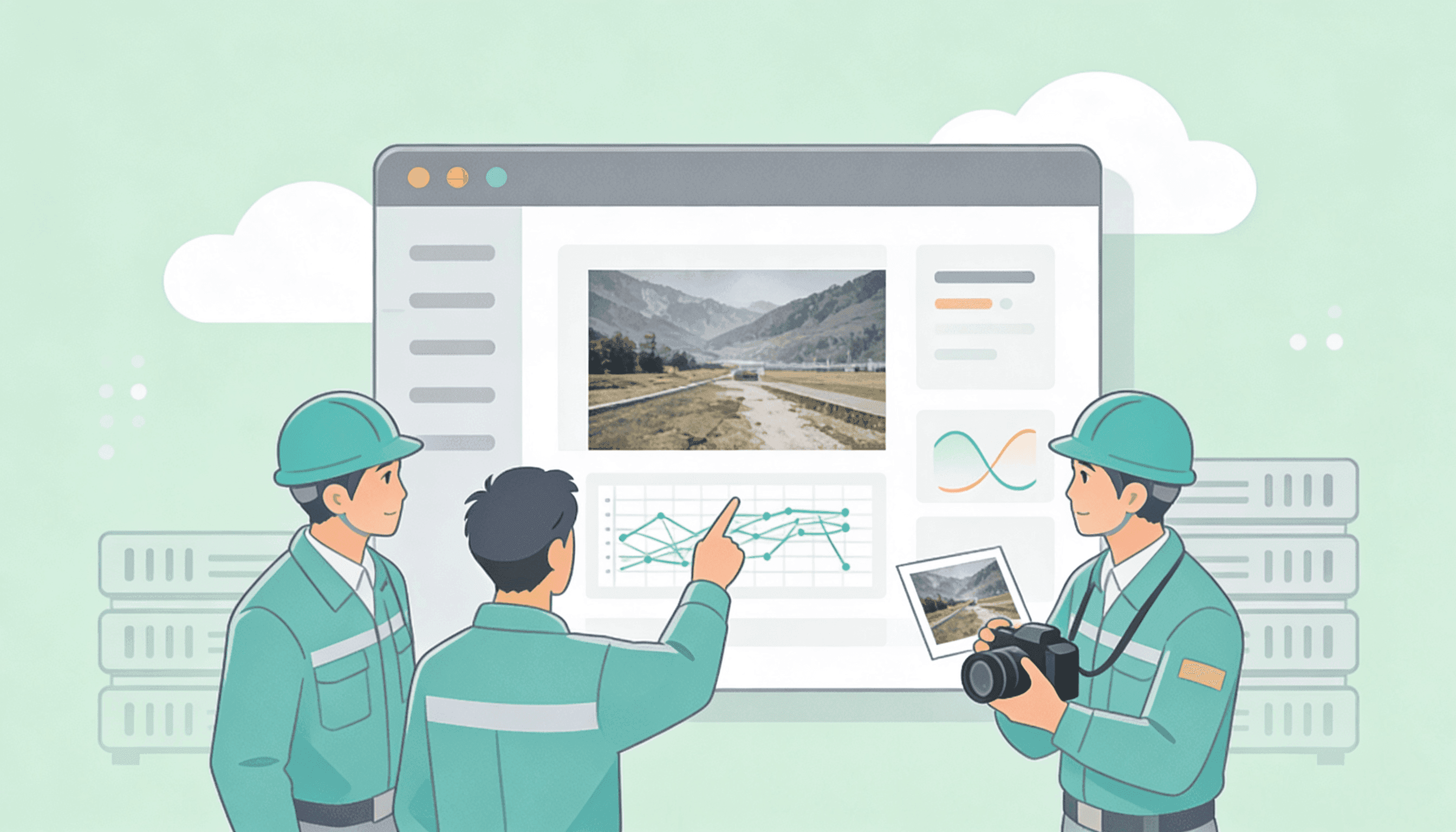


When a team needs to optimize and deliver images at scale, the question is often asked the wrong way: Do we use a SaaS or build it ourselves? The right question is different: What level of control, flexibility, and responsibility are we willing to assume? An image in production is no longer just a static file. It is performance, cost, user experience, and architecture.
In many projects, the image system starts simple: store in S3 and serve from a CDN. But growth brings new problems:
SaaS: fast and simple, but with variable costs and external dependency. Self-managed infrastructure: greater control, but greater technical responsibility.
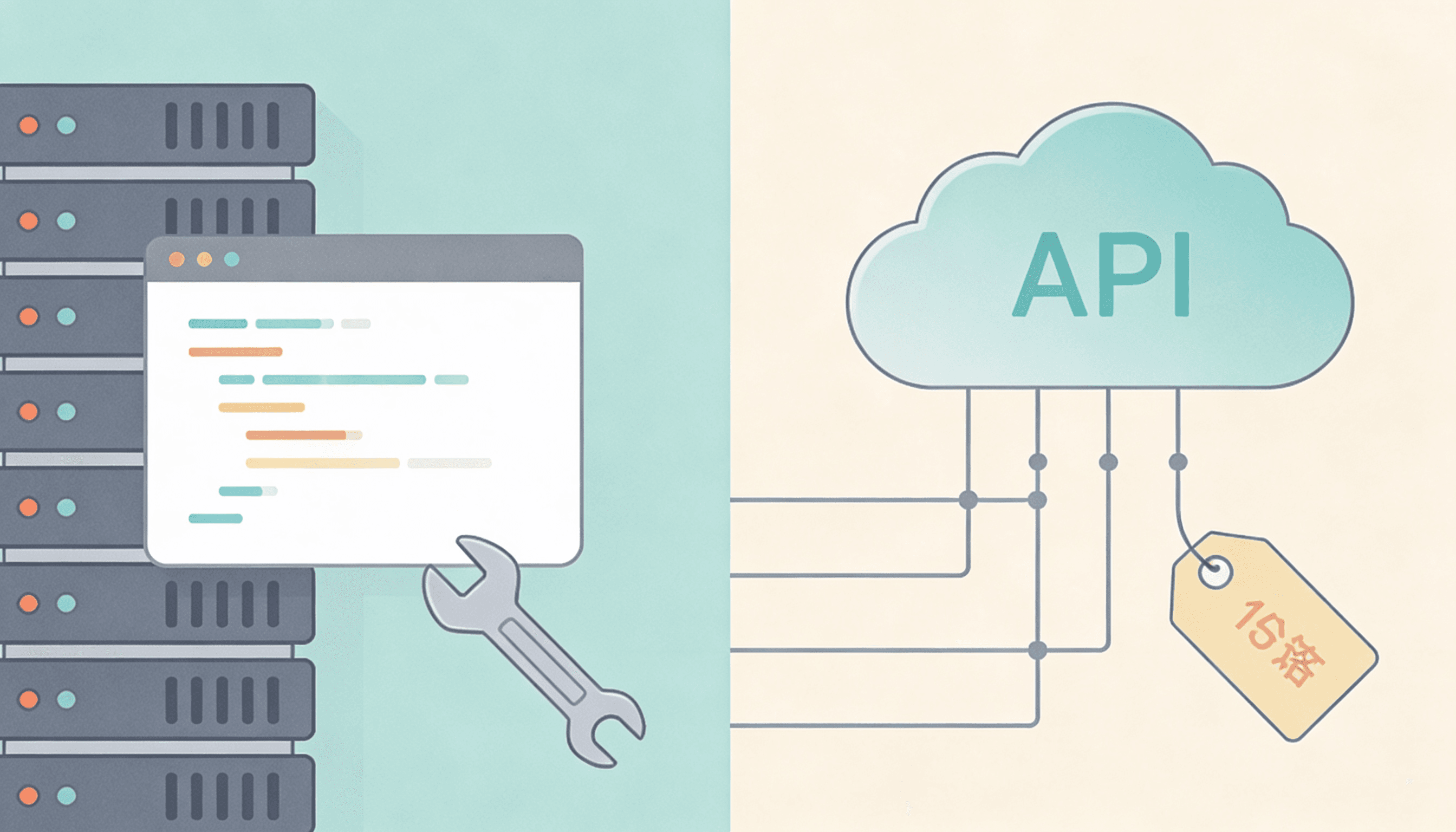
Building an infrastructure based on Dynamic Image Transformation for Amazon CloudFront means accepting complexity in exchange for autonomy. It’s not just about processing images with Lambda and the sharp library. It’s about designing a complete system that:
The CloudFront + S3 Object Lambda + Lambda solution enables:
But it requires:

One of the biggest draws of the serverless approach is the pay-per-request model. When there’s no processing, there’s no Lambda execution cost. According to official estimates (US East — Northern Virginia):
Edge caching in CloudFront radically changes the cost structure. However:
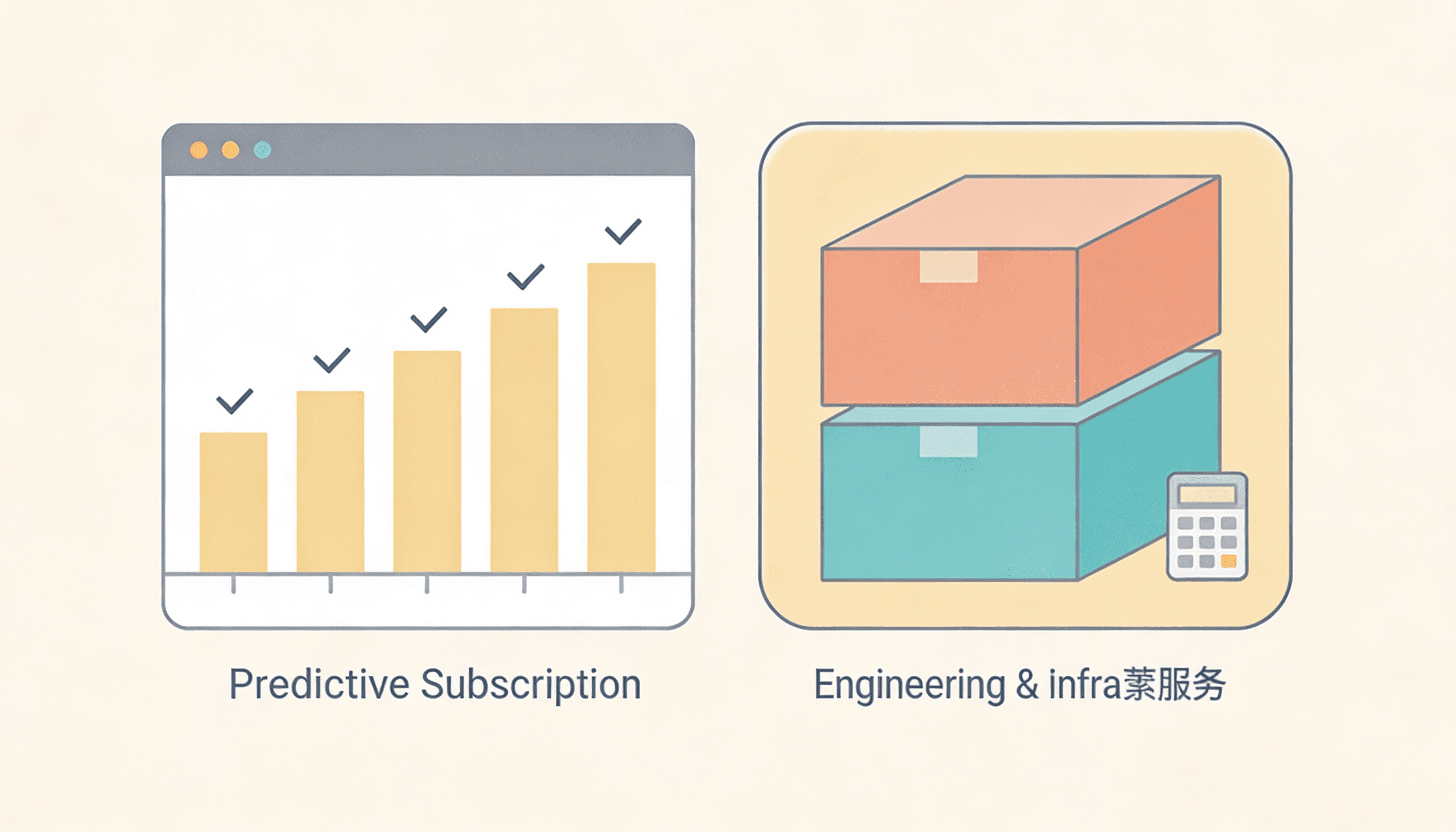
The infrastructure allows you to:
But each customization:
A self-managed system forces you to handle:
It’s not just “works or doesn’t work.” It’s understanding the path each request follows: Client → CloudFront → normalization → cache → S3 Object Lambda → processing → response → edge cache.
Building a custom image optimization infrastructure on AWS turns a simple problem into a deep architectural decision. It’s not just about delivering images it’s deciding how much control you want over performance, costs, and future evolution. Serverless architecture offers scalability, flexibility, and efficiency, but requires technical judgment and ongoing governance. The true trade-off isn’t about technology; it’s about strategy.