Widgets are often treated as a UI problem, but the real challenge is architectural when state is not properly modeled, synchronized, and controlled, the user experience breaks. This article explores why the true challenge lies not in widget design, but in how you manage state in dynamic environments.



When we talk about widgets, the conversation usually centers on design: how they look, how customizable they are, or how well they integrate with the app. But that’s only the surface, the real problem appears when a widget stops being static and starts depending on multiple data sources backend services, local storage, system events, or user actions. At that moment, the widget ceases to be just UI and becomes a miniature distributed system. This is where many implementations fail not due to poor visuals, but because of a lack of structure for state management.
Before designing a solid widget architecture:
The result: unreliable widgets that are hard to scale and even harder to maintain.
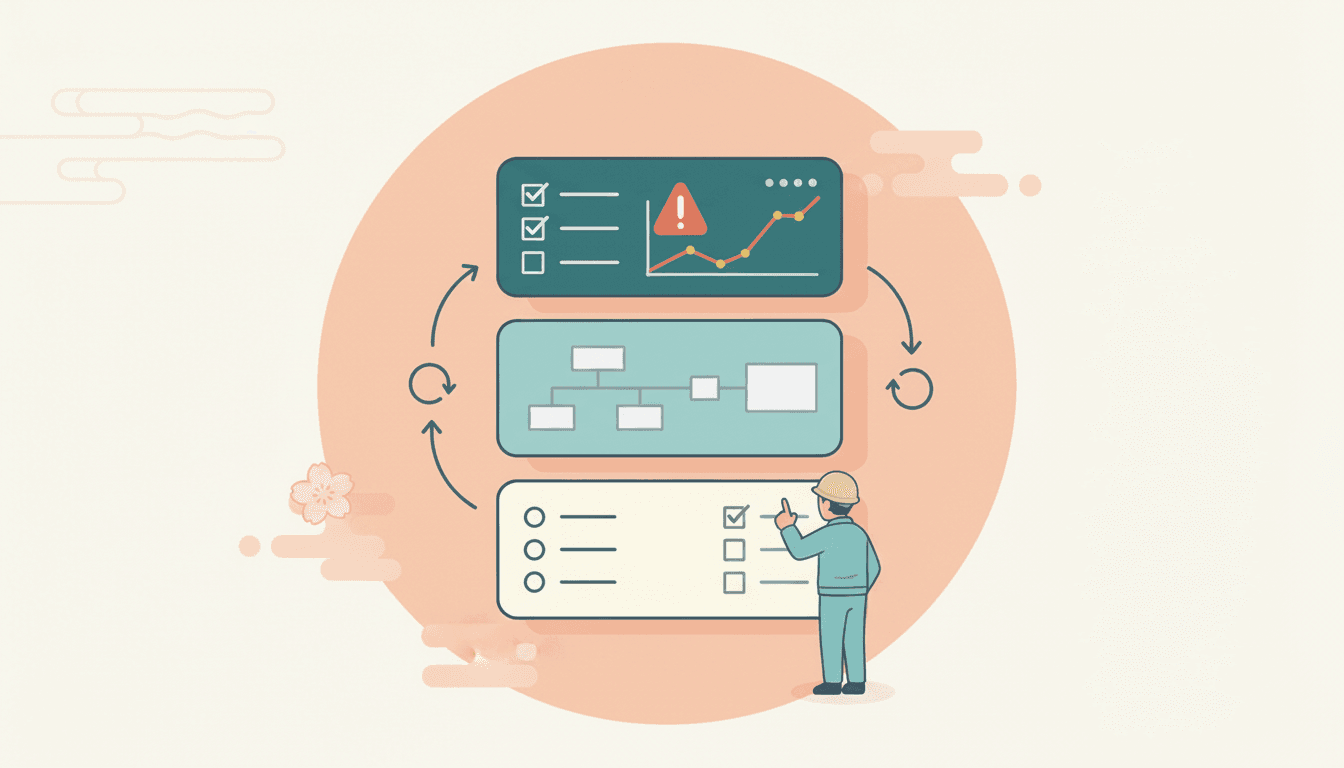
The goal is not just to display information in a widget. It’s to design a system where state:
A well-designed widget doesn’t start with the layout. It starts with the state model.
The first step is to stop treating state as a loose collection of variables that change depending on the data origin. Without a clear definition, a widget can enter ambiguous states: partially loaded, inconsistent, or simply incorrect, defining explicit states like loading, displayed, or removed lets you know exactly what the widget is at any given time. This approach reduces uncertainty and makes behavior predictable, especially when multiple sources update information.
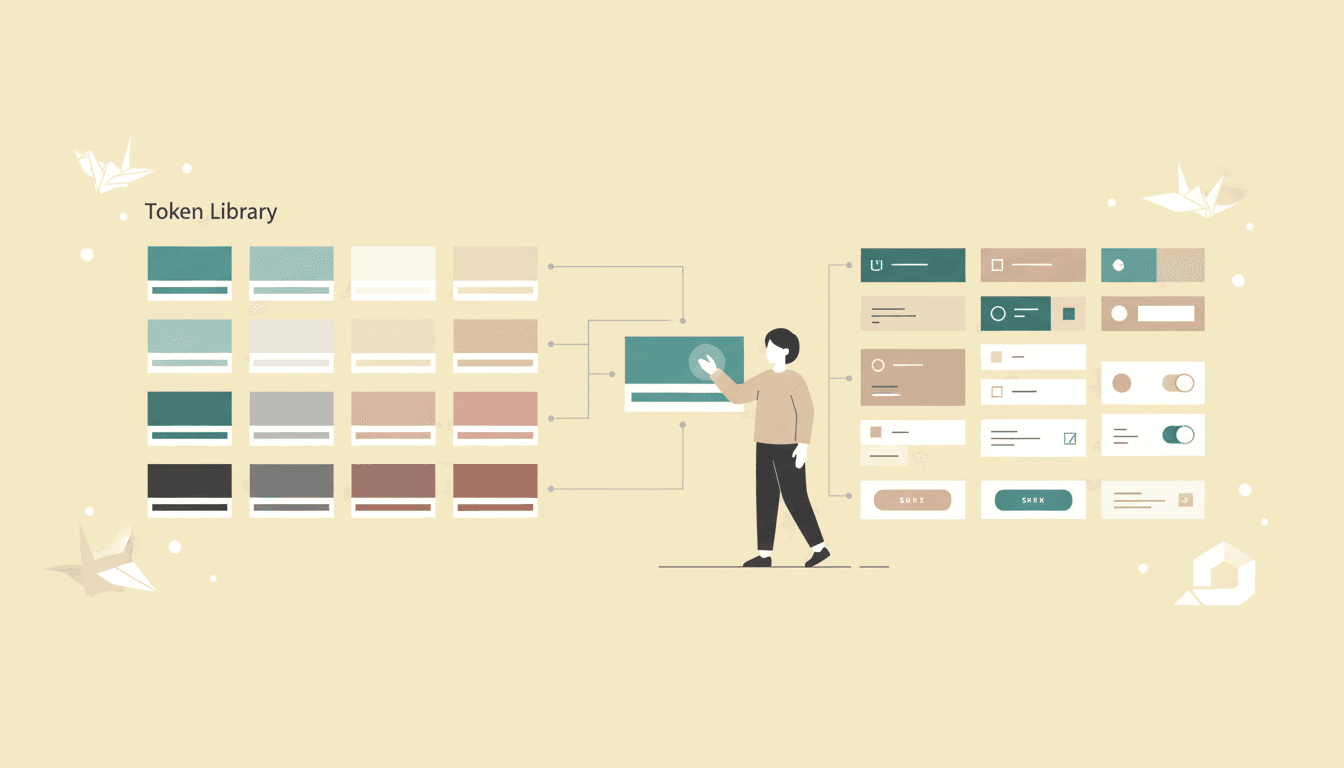
A widget rarely depends on a single source. It can receive data from an API, a local database, or system events (battery, connectivity), and each arrives at different times. Without a clear strategy, this produces intermediate states that shouldn’t be shown, the key is to continuously validate whether the state is “renderable.” It’s not about updating as soon as any data arrives, but ensuring the combined dataset makes sense before showing it.
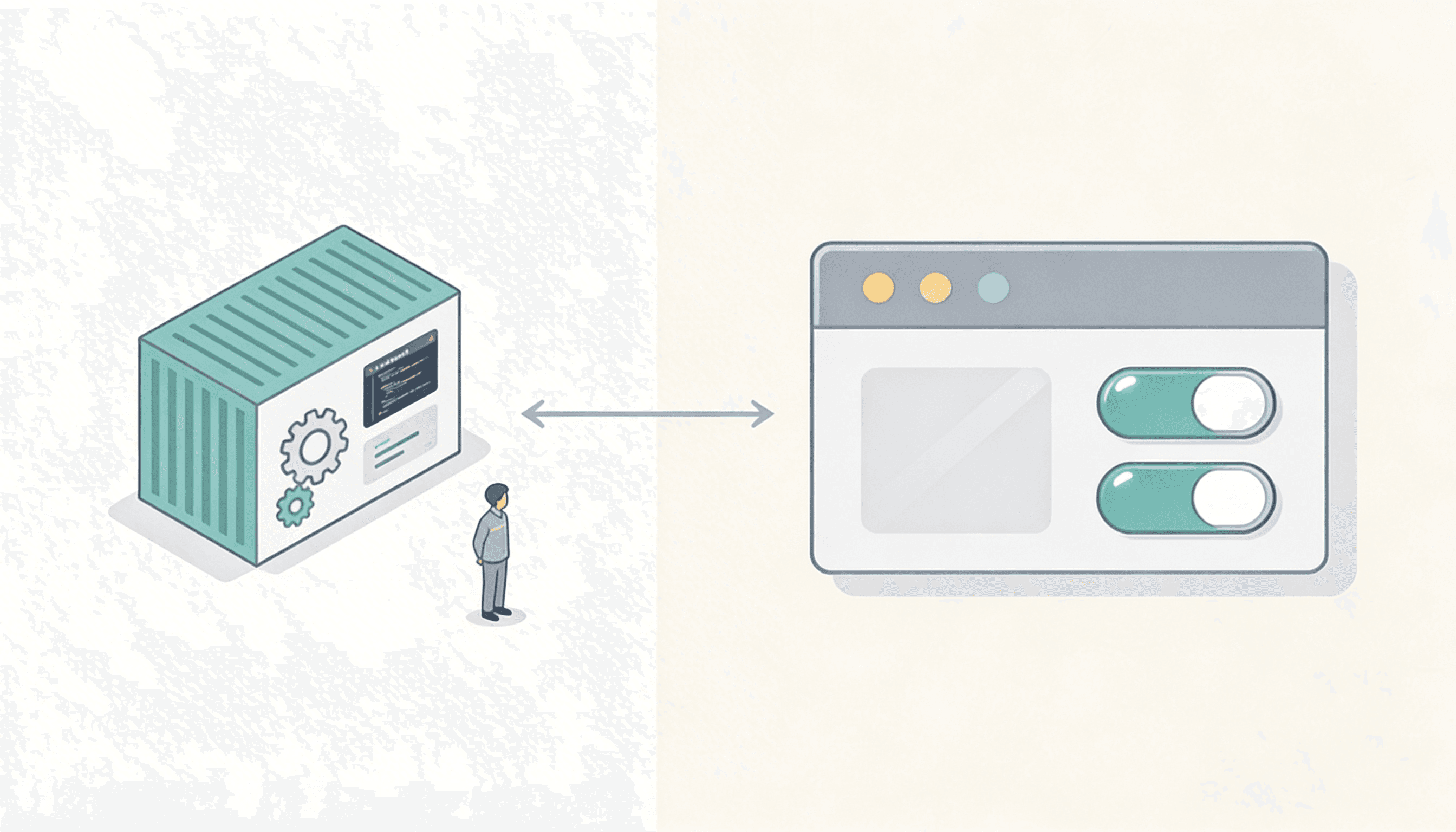
Saving state is not enough if you can’t reconstruct it correctly, when the system restarts the widget or the process is killed, you need to recover not only the data but its shape. Typed persistence preserves the structure of state, preventing silent errors and ensuring the widget resumes operation without unexpected behaviors or hard-to-debug inconsistencies.
Updating every widget indiscriminately may seem efficient but actually creates more problems than it solves. Not every widget is in the same state, nor should they all react to every change the same way. Separating initialized widgets from uninitialized ones, ignoring widgets that are no longer valid, and applying clear update rules keeps consistency without sacrificing flexibility, this is where architecture truly defines system quality.

Widgets don’t fail because of design; they fail because of missing structure when state isn’t well defined everything else becomes fragile. Designing intelligent widgets is, in effect, designing small but rigorous systems. As with any good architecture, judgment matters more than the tool.