Engineering productivity doesn’t improve solely by writing better code; it improves by reducing the system friction through which that code moves. Standardizing processes like CI/CD not only makes measurement easier but transforms a team’s real delivery capacity. At Meetlabs, we understand that scaling development means designing consistent operating systems, not just building efficient teams.



For a long time, engineering teams have tried to boost productivity by focusing on tools, talent, or individual speed. But there’s a less obvious and ultimately decisive variable: the coherence of the development operating system. When each repository, team, or workflow follows different rules, friction not only increases, it becomes invisible. Measuring gets hard, optimization is inconsistent, and scaling turns chaotic.
The turning point is realizing that productivity is not an individual attribute but a systemic one, to improve it, you must first standardize.
One of the biggest challenges in engineering is measuring a team’s real performance. Metrics such as FourKeys promise clarity, but in practice they often fail for a simple reason: the system isn’t ready to be measured. Different deployment flows, fragmented tools, and historical decisions create an environment where every team operates under its own rules. The result: inconsistent data and little real visibility and without visibility, there’s no improvement. Standardizing doesn’t mean restricting; it means aligning, done well, it directly impacts a team’s delivery capability.
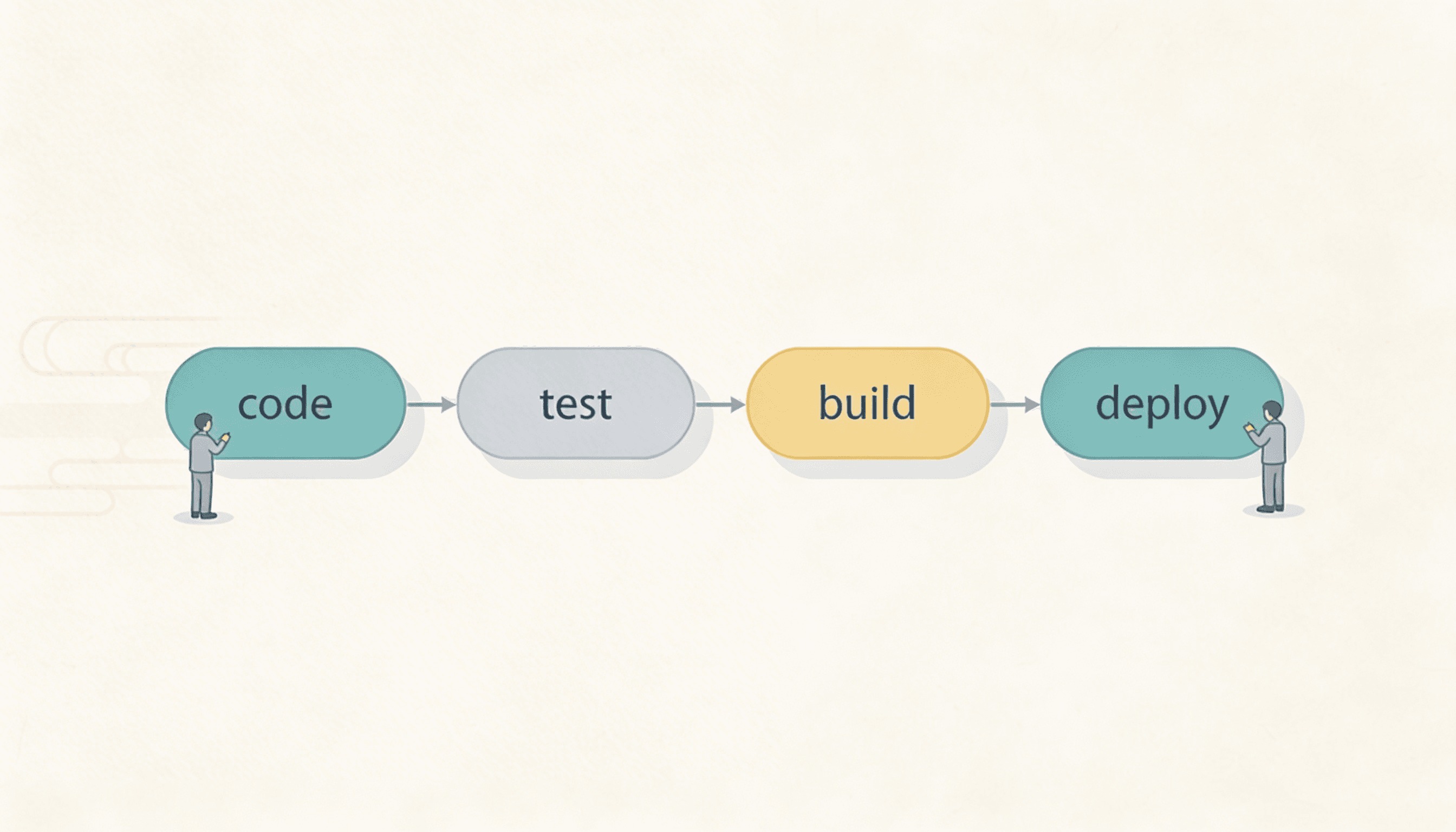
One of the largest blockers to productivity isn’t the code, it’s process variability. When each repository or team follows a different deployment flow, measuring becomes nearly impossible. Defining a single rule for example, that every deployment originates from a release turns scattered events into clear signals.
The coexistence of multiple tools and configurations creates operational friction. Centralizing CI/CD in one system not only improves speed but also security and maintainability.
Instead of copying configurations manually into each repository, templates let you scale best practices in a controlled way. This turns knowledge into reusable infrastructure.

Every exception, differing flow, and implicit rule raises the team’s mental load. By simplifying and unifying processes, teams can focus on what really matters: building products.
Productivity doesn’t improve simply because you measure it it improves because what you measure forces you to organize the system. When processes are consistent, metrics begin to reflect reality instead of chaos.
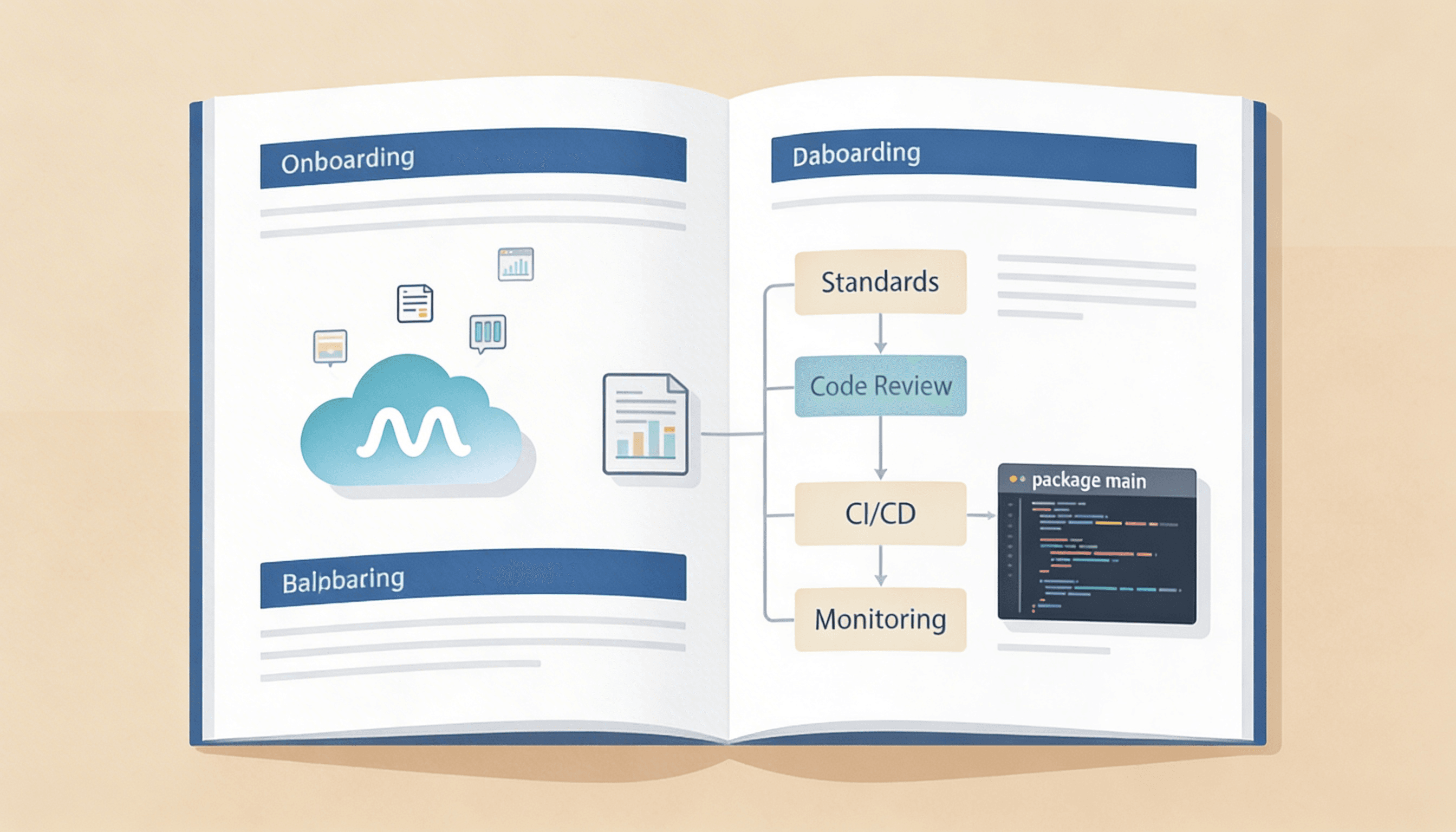
Productivity isn’t about doing more; it’s about removing what prevents forward motion. When systems are designed coherently, teams not only work better they can scale without breaking. In this context, standardizing is not a limitation: it’s what makes growth possible.