The MG‑DX front-end team reinforced Yakukyubin’s testing environment to improve service stability while preserving development productivity. Through a Test Trophy based strategy, Storybook standardization, formalized unit and integration testing with Vitest, and clear guidelines, the team established a robust base to scale the product without compromising quality.
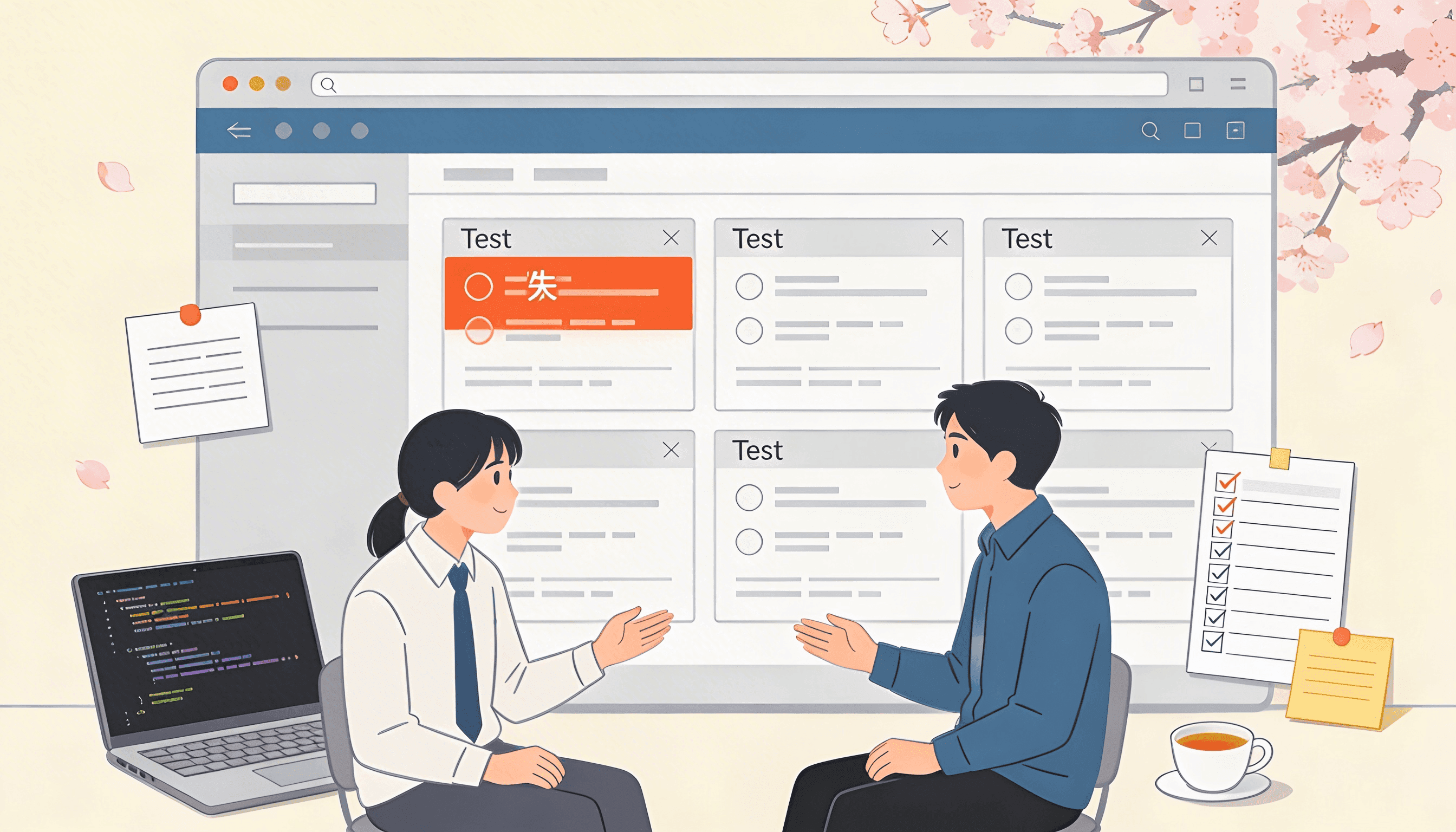


In digital product development focused on blockchain and emerging technologies, the challenge is not only to build quickly but to scale with quality. As services evolve and grow in complexity, front-end demands increase: greater stability, better user experience, and an architecture that supports continuous change. In this context, reinforcing the testing environment becomes a strategic pillar. This article explains how we defined clear testing guidelines, built a solid strategy, and implemented practical initiatives to support sustainable growth.
Yakukyubin (developed by MG‑DX Co., Ltd.) supports digital transformation in healthcare and pharmacies. Key features include:
The system is organized as a monorepo that manages multiple screens:
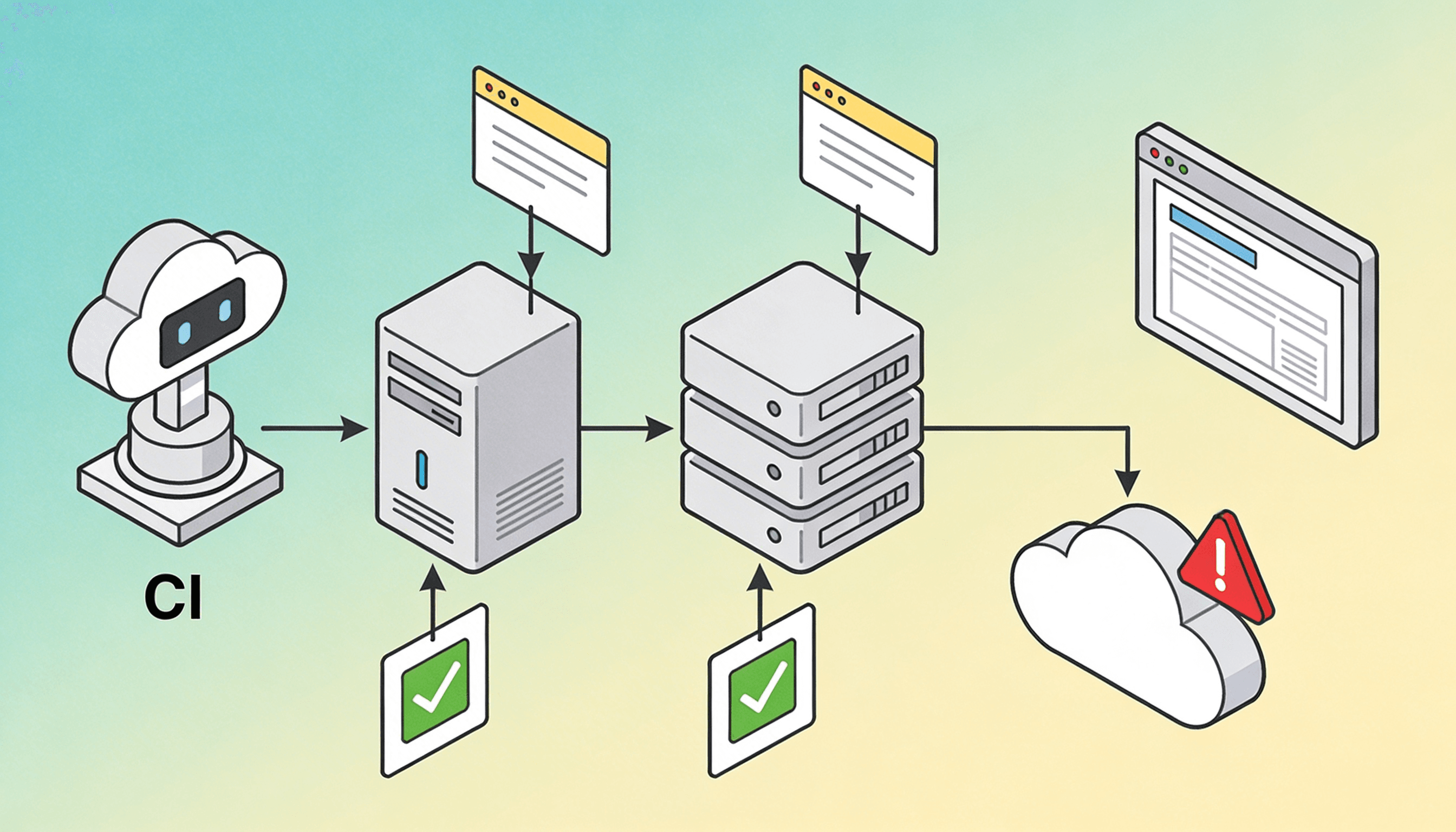
Customization for pharmacy chains adds complex specifications. The initial testing setup included:
As the product scaled, it became clear the testing strategy needed reinforcement to ensure stability and developer productivity. Testing strategy based on the Test Trophy model After reviewing our approach, we adopted the Test Trophy model. Instead of trying to balance all test types equally, we prioritized:
We reduced emphasis on:
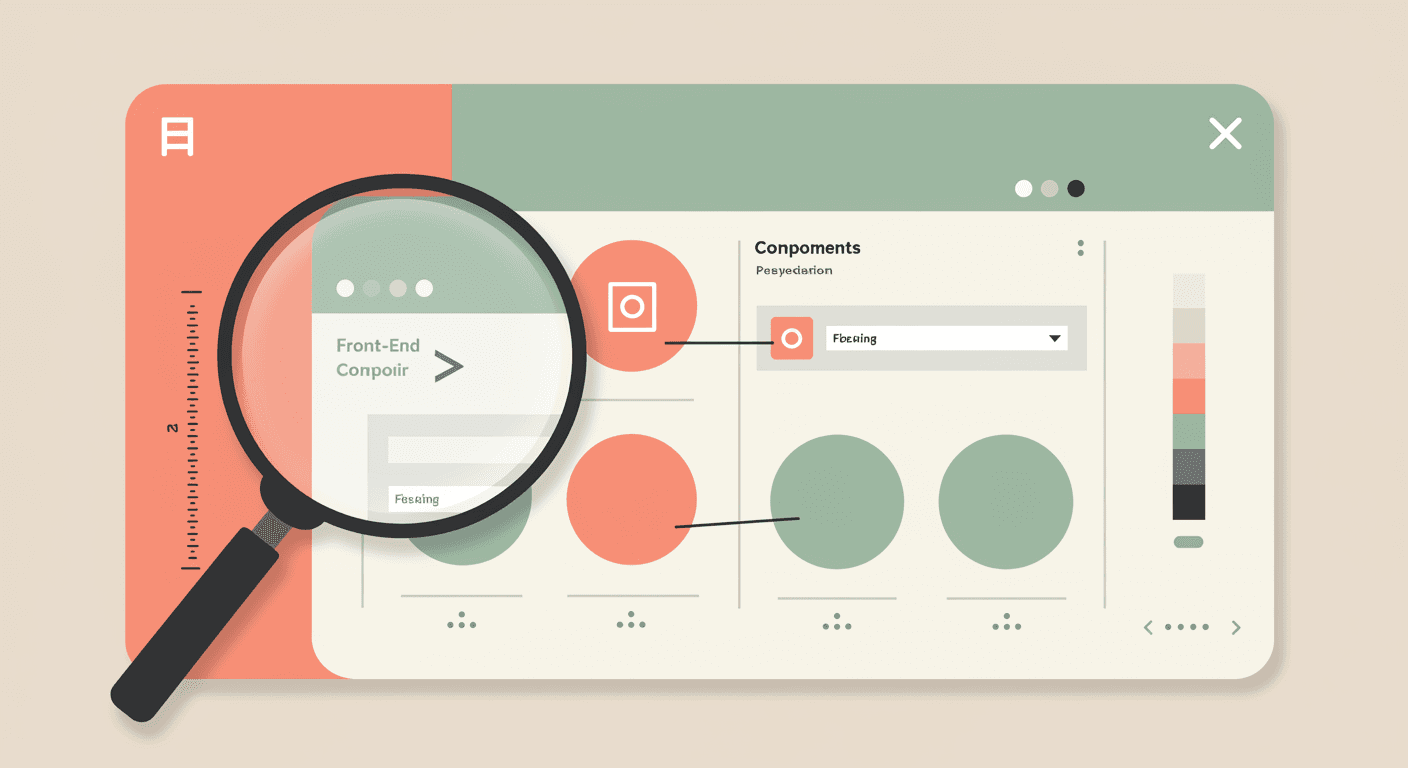
This trade-off maximizes effectiveness with reasonable effort and improves maintainability. Storybook as the foundation for the testing environment We use Storybook to render components and run UI checks.
Main objectives:
Adopted practices:
We also use Scaffdog to auto-generate templates, ensuring consistency and preventing omissions. Unit and integration testing with Vitest and clear rules For unit and integration tests we use Vitest.
Defined test roles:

Key rules:
Additional practices:

Strengthening a testing environment is not just adding more tests; it’s defining a strategy aligned with product and team needs. By adopting Test Trophy, setting clear guidelines, and promoting collaborative practices such as Mob programming, MG‑DX’s front-end team improved the balance between service stability and development productivity. Although guidelines will continue to evolve, this process built a solid foundation for sustainable product growth.